
Lieferung heute & morgen

Qualitätsgarantie

Willkommens-Angebote freischalten: KOSTENLOSE Lieferung | Bis zu 80 % RABATT | Kostenlose 30-Tage-JoyPlus-Testphase
App herunterladen
Choosing the right cat litter is crucial for household hygiene and your cat's well-being. The market offers a plethora of options, but not all of them live up to their promises. Many cat owners invest in products that seem impressive at first, only to prove impractical or problematic in daily use. This guide will help you identify common pitfalls and make an informed decision.
As a Joybuy Product Recommendation Officer, my job is to filter through market information and provide you with objective, practical advice that goes beyond marketing claims.
Before we dive into the selection criteria, it's important to understand three common issues that can lead to dissatisfaction:
To avoid a bad purchase, you should focus on three objective criteria that significantly impact the daily management of the litter box.
The type of material determines the litter's absorbency, clumping ability, and weight. The three main types are:
A low-dust formula is essential for households with allergy sufferers or sensitive pets. The granule size affects two other factors:
Effective odor control is central to a pleasant living environment. Pay attention to the technology behind the odor-binding properties:
Here are some product recommendations tailored to the specific needs of cat owners.
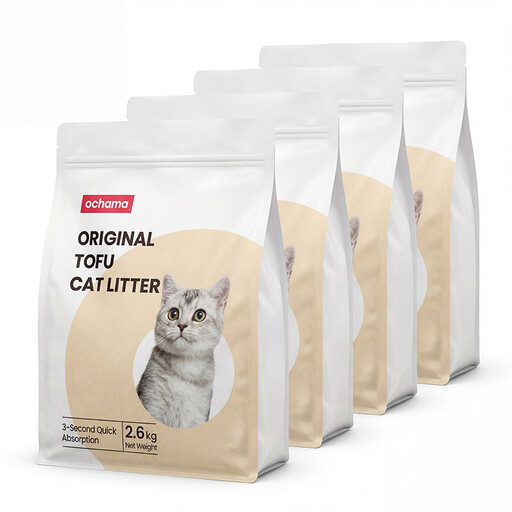
Why This Fits Their Persona: The fine 2.0mm particles of this tofu litter are suitable for the sifting mechanisms of many self-cleaning litter boxes. Its fast and firm clumping action prevents smearing inside the device and facilitates the automatic cleaning cycle.
The low-dust, tofu-based formula bypasses the dust trap. The natural scent of the bean fibres avoids the perfume trap and is well-accepted by cats.
Made from food-grade raw materials. According to the manufacturer, the clumps are flushable in small quantities (please check local regulations).
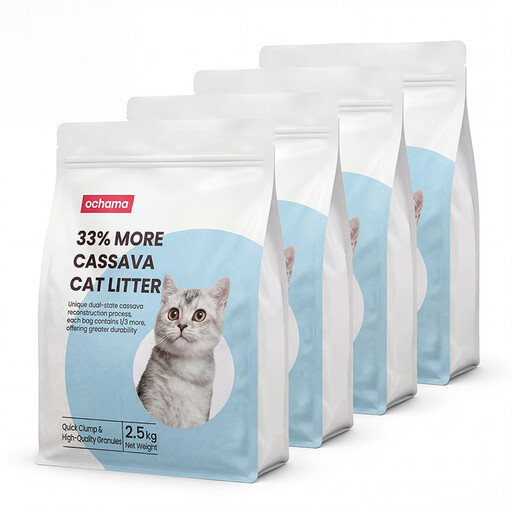
Why This Fits Their Persona: This litter is made from renewable resources like tapioca and corn starch. It's an excellent choice for owners who prioritize sustainability and natural materials. The lightweight texture is also gentle on cat paws.
According to the manufacturer, the product contains "0 perfume, 0 dyes, 0 formaldehyde" and relies on natural odour control from herbal fibres. This directly counteracts the perfume trap.
Strong clumping action that doesn't stick to the bottom of the litter box. Its low-dust quality ensures a clean environment.
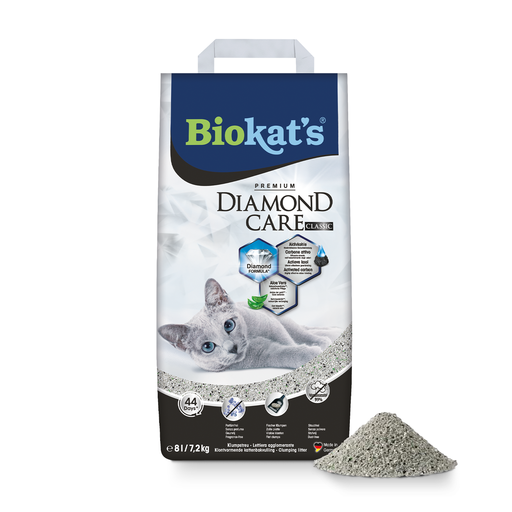
Why This Fits Their Persona: For households where effective odor control is the top priority. This natural clay-based clumping litter is known for its high absorbency and odor-binding capabilities, making it a reliable choice for multi-cat households or small apartments.
Instead of masking odours with perfume, this product uses activated charcoal for neutralization. The formula is 99% dust-free according to the manufacturer, directly addressing the dust issue.
The "Diamond Formula" combines activated charcoal for odor control with aloe vera for care. The fine granules create firm, flat clumps.
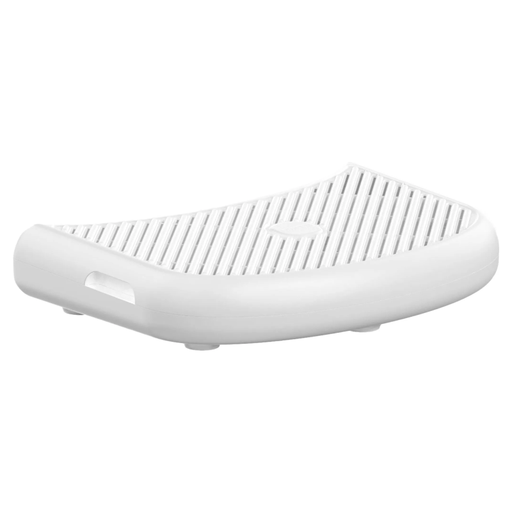
Why This Fits Their Persona: This accessory isn't a litter, but a solution to a common side effect: litter tracking throughout the home. It's ideal for owners who are happy with their current litter but want to minimize tracking.
Instead of relying on the marketing promise of a "no-track" litter, this mat provides a physical barrier. It traps litter granules from paws before they can be spread around the home.
The grid structure effectively traps litter. The integrated storage compartment provides space for accessories like waste bags and a scoop.
We have compiled a complete, up-to-date list of products that fully meet these strict selection criteria and comply with rigorous safety standards.
The frequency of a complete change depends on the litter type, the number of cats, and the size of the litter box. With clumping litter, you should remove clumps and solid waste daily and top up the amount removed. A complete replacement of the litter, followed by a thorough cleaning of the box, is generally recommended every 2 to 4 weeks. With silica litter, you remove solid waste daily and stir the crystals to distribute moisture evenly. A full change is due approximately every 3 to 4 weeks for one cat.
Generally, it is not recommended to mix different types of litter, as this can compromise the specific properties of each product. For example, mixing clumping litter with non-clumping litter can interfere with clump formation and make cleaning more difficult. An exception can be the addition of odor-binding additives like activated charcoal or baking soda, provided your cat accepts it.
For kittens, a litter that is as natural, unscented, and fine-grained as possible is recommended to protect their sensitive paws. Since kittens tend to taste things, the litter should not be harmful if small amounts are ingested. Plant-based cat litter made from corn or tofu is often a good choice here. Avoid strong clumping bentonite litter, as it can clump in the digestive tract if swallowed. When in doubt, it is always advisable to consult your veterinarian.