
Lieferung heute & morgen

Qualitätsgarantie

Willkommens-Angebote freischalten: KOSTENLOSE Lieferung | Bis zu 80 % RABATT | Kostenlose 30-Tage-JoyPlus-Testphase
App herunterladen
The selection of cat treats on the market is vast and can quickly become overwhelming. Every package promises a happy, healthy cat. However, many products don't deliver on their promises, leading to unnecessary expenses or being suboptimal for your cat's nutrition. As a Joybuy Product Recommendation Officer, I'm here to help you separate the wheat from the chaff and make an informed decision.
Before we look at what matters, we should be aware of the three most common pitfalls when choosing cat treats:
To avoid these pitfalls, you should focus on three core parameters when choosing healthy cat treats. These will help you objectively evaluate a product's quality.
A transparent ingredient list is the gold standard. Look for an "open declaration" where the individual components are broken down by percentage (e.g., "75% chicken, 10% salmon"). This is a clear quality indicator, in contrast to a "closed declaration" with vague terms. Specifically look for grain-free cat treats and sugar-free cat treats. Ingredients like glucose, dextrose, or molasses should not appear on the list.
Many treats offer an added benefit. It's important that this benefit is based on concrete ingredients:
The consistency of the treat should suit the occasion:
Based on the criteria above, we have identified some products that are particularly suitable for different cat owner profiles in the UK.
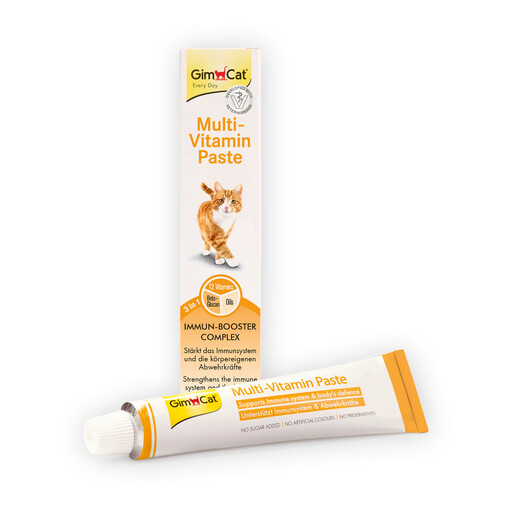
Why This Fits Their Persona: For owners who are looking for more than just a reward. This paste provides targeted nutritional supplementation to support the immune system, making it a functional addition to the daily food ration.
The formula has no added sugar, colourants, or preservatives. The benefit is based on a clearly defined 3-in-1 complex of 12 vitamins, beta-glucan, and oils, rather than on vague promises.
According to the manufacturer, it contains an immune-booster complex to strengthen the body's defences. Made in Germany.
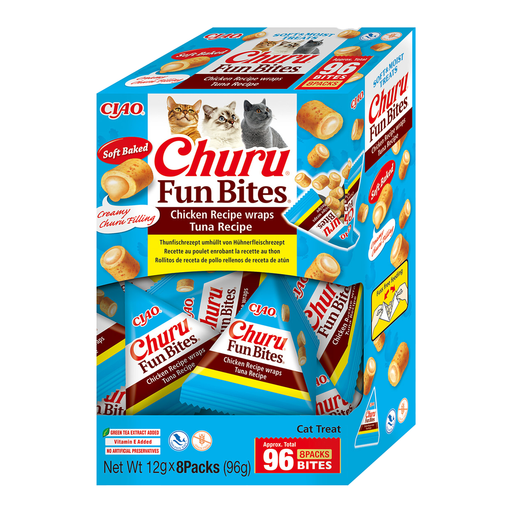
Why This Fits Their Persona: The creamy consistency and high moisture content make this lickable treat particularly appealing to cats that are reluctant to eat firmer treats or drink enough water.
The recipe is based on chicken broth and natural flakes (chicken, tuna, etc.) and avoids artificial flavour enhancers or sugar. The taste comes from high-quality, clearly declared ingredients.
With 93% moisture, this treat supports hydration. The various flavours offer variety.
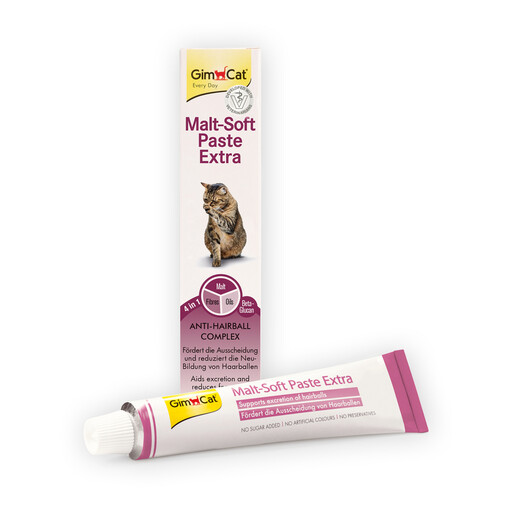
Why This Fits Their Persona: Especially for owners of long-haired cats or animals prone to hairballs. This product offers a targeted solution to a common problem and serves as more than just a simple reward.
Instead of a vague health promise, this paste offers a clearly defined anti-hairball complex. Its effect is based on the combination of malt extract, oils, and fibres, whose function is easy to understand.
According to the manufacturer, it promotes the passage of swallowed hair and reduces the formation of new hairballs. The recipe is sugar-free and made in Germany.
We have compiled a complete, up-to-date list of products that fully meet these strict selection criteria and UK regulations.
The general recommendation is that treats should not make up more than 10% of a cat's daily calorie intake. The exact amount depends on the specific product and your cat's activity level, age, and weight. Always follow the feeding recommendation on the packaging and adjust the main meal accordingly to prevent weight gain.
For most cats, yes. Cats are natural carnivores, and their digestive system is not designed to process large amounts of carbohydrates from grain. Grain-free cat treats are therefore often more digestible. A grain-free diet is particularly sensible for cats with food intolerances or allergies. However, more crucial than just avoiding grain is the overall quality of the ingredients, especially a high proportion of high-quality animal protein.
A close look at the ingredient list is essential. Look for terms like sugar, glucose, sucrose, dextrose, molasses, or caramel syrup. If one of these terms appears high up on the list, the sugar content is correspondingly high. Products declared as "no added sugar" are a good choice, but it's still advisable to check the entire composition, as other sweetening ingredients may be included.