
Lieferung heute & morgen

Qualitätsgarantie

Willkommens-Angebote freischalten: KOSTENLOSE Lieferung | Bis zu 80 % RABATT | Kostenlose 30-Tage-JoyPlus-Testphase
App herunterladen
A cat tree is more than just a piece of furniture for cats—it's an essential part of their living space. It serves as a playground, a private retreat, and a tool for claw maintenance. However, choosing the right model can be a challenge, especially if you're looking for a sturdyclimbing tree for large cats or multiple pets. An unsuitable cat tree can not only wear out quickly but also pose a safety hazard.
This guide is designed to help you make an informed decision. We'll highlight the most important criteria for selection and present a curated list of models that meet different needs—from compact solutions to expansive climbing landscapes.
Before you decide on a model, you should consider a few fundamental aspects. These factors will determine whether the climbing tower is accepted by your cat and how durable it will be.
Stability is the most critical criterion, especially for heavy cats like Maine Coons or British Shorthairs. A wobbly cat tree will be avoided by cats and, in the worst-case scenario, could tip over. Look for the following features:
The quality of the materials used affects both the durability and the appeal to your cat.
Every cat has different preferences. Observe your pet's behaviour: Does it love to climb high, prefer to hide away, or enjoy dozing in a cosy perch?
Here is a selection of models that cater to different needs and living situations.
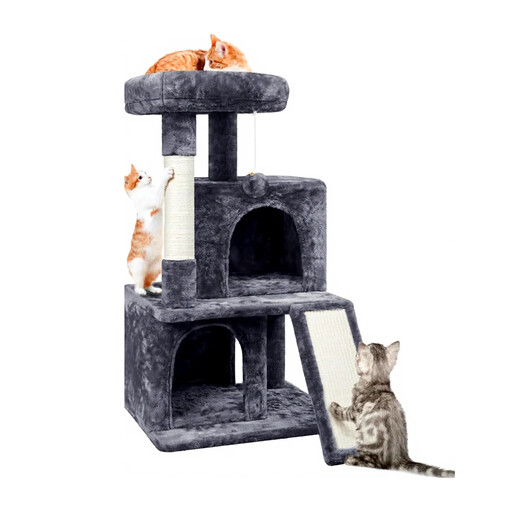
Why it stands out: This model combines a compact design with thoughtful stability features. Despite its moderate height of 91 cm, it offers excellent safety thanks to a wide base and an included anti-tip kit.
Advantages:
Who it's for: Ideal for households with small to medium-sized cats or as a first model for young animals. Fits well in apartments with limited space.

Why it stands out: At a height of 206 cm, this climbing tower is a true paradise for cats that love to climb. It provides a multitude of levels and features to keep even the most active pets engaged.
Advantages:
Who it's for: Perfect for multi-cat households or for owners of very active and large cat breeds who are looking for a true adventure playground.
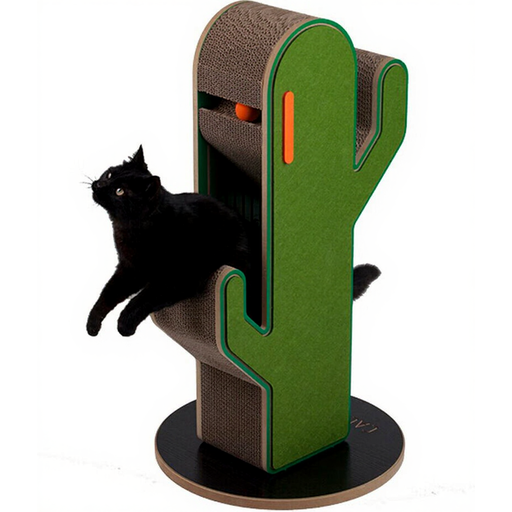
Why it stands out: This model distinguishes itself with its unique design. The 80 cm tall cactus-shaped scratching post is not only functional but also a stylish home accessory.
Advantages:
Who it's for: For cat owners who value design and are looking for a space-saving yet appealing scratching solution.
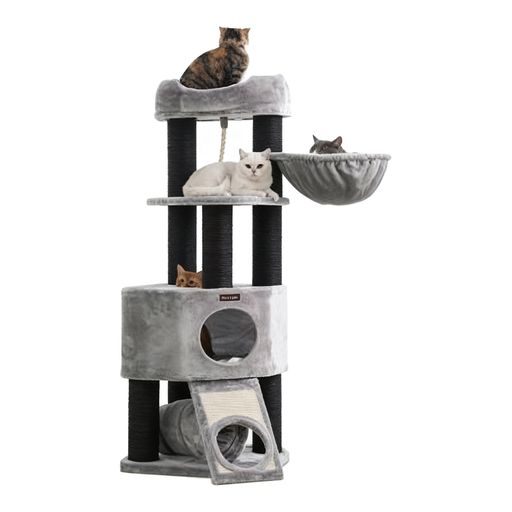
Why it stands out: This cat tree was specifically designed to meet the needs of large and heavy cats. Its construction is engineered for maximum stability and load-bearing capacity.
Advantages:
Who it's for: The top choice for owners of large breeds like Maine Coon, Norwegian Forest Cat, or Ragdoll, for whom safety and stability are the highest priorities.
Was the perfect model for you and your cat not among our selection? Every feline friend has individual preferences. Discover a wider variety of models, sizes, and features in our comprehensive category.
? Discover more models in the Cat Trees, Towers & Posts category here
1. How do I ensure a cat tree for large cats is stable? Stability depends on three factors: a heavy, wide base plate; a solid overall weight; and the use of the included anti-tip kit. Secure the cat tree to a load-bearing wall according to the instructions. Additionally, always place it on a level, solid surface.
2. How do I get my cat used to a new cat tree? Place the cat tree in a spot where your cat likes to spend time, such as near a window or in the living room. You can encourage acceptance by placing toys, treats, or a little catnip on the different levels. Praise your cat when it uses the tree.
3. Where is the best location for a cat tree? Cats love to survey their surroundings. A spot by a window offers exciting views and is therefore often very popular. Alternatively, a place in the living room is ideal, as it allows the cat to be part of the family's activities. Avoid isolated or draughty corners.