
Lieferung heute & morgen

Qualitätsgarantie

Willkommens-Angebote freischalten: KOSTENLOSE Lieferung | Bis zu 80 % RABATT | Kostenlose 30-Tage-JoyPlus-Testphase
App herunterladen
As a product recommendation specialist at Joybuy, I see cat owners searching for the right equipment for their pets every day. A cat tree is more than just a piece of furniture—it's a central hub for claw maintenance, a playground, and a safe retreat. Scratched sofas and wallpaper are often a sign that a suitable scratching outlet is missing. This guide is designed to help you understand the features of a good cat tree, enabling you to make an informed decision that suits both your cat's needs and your home's layout.
Before you decide on a model, there are a few fundamental criteria to consider. These will help you avoid a poor choice and ensure that your new cat tree is actually used by your pet.
A sturdy cat tree is essential, especially if you have multiple cats or a large breed like a Maine Coon or Norwegian Forest Cat. Look for a wide, heavy base plate that serves as a solid foundation. The taller the climbing tree, the more crucial a solid base is to prevent it from wobbling or tipping over during play. The thickness of the sisal-wrapped posts also contributes to stability. A cat tree for large cats should have posts with a diameter of at least 9 cm. Some models also offer a wall mount (anti-tip device) for maximum security.
The primary material for claw maintenance is typically sisal. This natural fibre is robust and durable, allowing cats to effectively sharpen their claws on it. The surfaces of perches and condos are usually covered in soft plush, creating an inviting place to rest. Consider which features make sense for your cat: Does it love to survey its surroundings from up high? Then a climbing tree for your cat with elevated observation platforms is ideal. Does it prefer to retreat? Then a cat tree with a condo is a great choice. Additional elements like ropes, hammocks, or dangling balls provide variety and encourage play.
Measure the intended space in your home before buying a large cat tree. Plan for enough clearance around the tree so your cat can safely jump on and off. A good location is often near a window, as cats love to watch the world go by. Alternatively, a quiet corner in the living room works well, allowing your cat to keep an eye on family life while still having a space to retreat to when needed.
Based on the criteria above, we've curated a selection of models that cover a range of needs—from compact, entry-level options to comprehensive climbing landscapes.
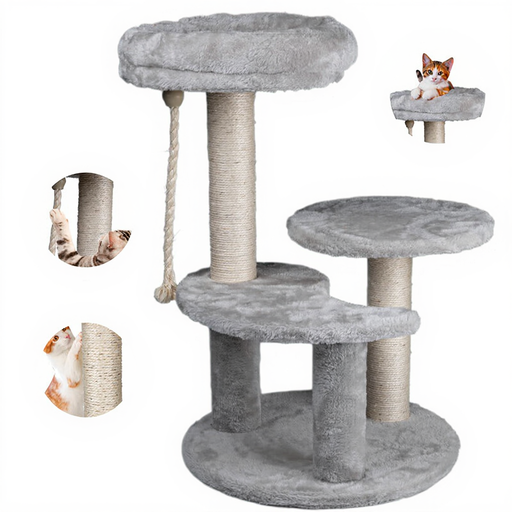
What makes this model stand out This compact cat tree from maxxpro offers a solid set of basic features within a small footprint. With three platforms, sisal posts, and a play rope, it meets a cat's fundamental needs for scratching, observing, and playing.
Advantages
Who is it for? This model is a great choice for owners of kittens or smaller, lighter cat breeds. It's also suitable for households with limited space that don't want to compromise on essential scratching furniture.
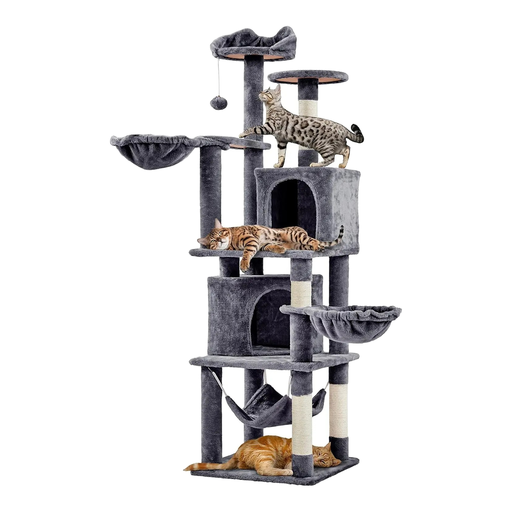
What makes this model stand out This large cat tree from Yaheetech is a versatile climbing and play scape. At nearly 175 cm tall and featuring numerous levels, condos, and perches, it offers ample space for multiple cats at once.
Advantages
Who is it for? This cat tree is ideal for multi-cat households or for very active cats that love to climb. It offers enough variety to keep cats engaged long-term and deter them from scratching furniture.

What makes this model stand out This model from Yaheetech places a special emphasis on safety and stability. With a wide base and an included anti-tip device for wall mounting, it's an exceptionally secure option, especially for households with children or very boisterous cats.
Advantages
Who is it for? This sturdy cat tree is an excellent choice for owners of large, heavy, or very active cats. It is also recommended for safety-conscious cat owners who want to eliminate any risk of it tipping over.
If the models featured don't exactly match what you're looking for, or if you need accessories like replacement posts or additional toys, you can find more inspiration in our product range. For example, discover different types of Cat Rope to repair or upgrade your existing scratching furniture.
1. How do I get my cat used to the new cat tree? Place the cat tree in an appealing location. You can entice your cat onto the tree with treats or their favourite toy. Rubbing a little catnip on the sisal posts can also help spark their interest. Avoid forcing your cat—patience is key here.
2. Where is the best place for a cat tree? A spot with a good view of the room or a look-out window is ideal. Cats are naturally curious and enjoy observing their surroundings. The location should be draft-free and allow the cat to retreat undisturbed when needed.
3. How do I clean a cat tree? Loose hair and dust are most easily removed with a vacuum cleaner using an upholstery attachment. Stains on the plush surfaces can be gently treated with a damp cloth and a mild soap solution. The sisal posts can be brushed as needed to loosen stubborn dirt. Regular cleaning contributes to the hygiene and longevity of the cat tree.