
Lieferung heute & morgen

Qualitätsgarantie

Willkommens-Angebote freischalten: KOSTENLOSE Lieferung | Bis zu 80 % RABATT | Kostenlose 30-Tage-JoyPlus-Testphase
App herunterladen
As a cat owner, you know that your cat's natural need to scratch is non-negotiable. Without a suitable alternative, your sofas, wallpaper, or carpets will quickly suffer the consequences. A well-chosen cat tree is more than just a piece of furniture; it's an essential sanctuary, a playground, and a tool for claw maintenance.
However, the sheer number of options can be overwhelming. Which model is stable enough? What materials are durable? And what size is right for my cat and my home? This guide is designed to help you make an informed decision by presenting objective criteria and a selection of models for different needs.
Before you decide on a model, there are a few fundamental aspects to consider to ensure the cat tree is both accepted by your cat and is safe and durable.
Ensuring a cat tree is stable is the most important criterion, especially if you're looking for a cat tree for large cats or for multiple cats. A wobbly climbing tree will be avoided by cats and poses a safety risk.
The materials used determine the longevity of the tree and its acceptance by your cat.
The ideal cat climbing tree suits your pet's size and activity level, as well as the available space in your home.
Here is a selection of models that cater to different requirements and living situations.
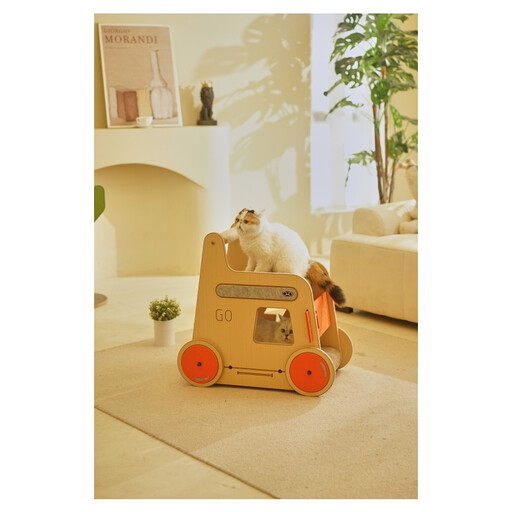
Why this model stands out This model breaks from the classic cat tree design, presenting itself as modern scratching furniture. The combination of scratching surfaces and a spacious lounging area in a compact, stylish trolley design makes it a real eye-catcher.
Benefits
Who is it for? For cat owners seeking functional yet aesthetically pleasing scratching furniture for a single cat in a small to medium-sized apartment.
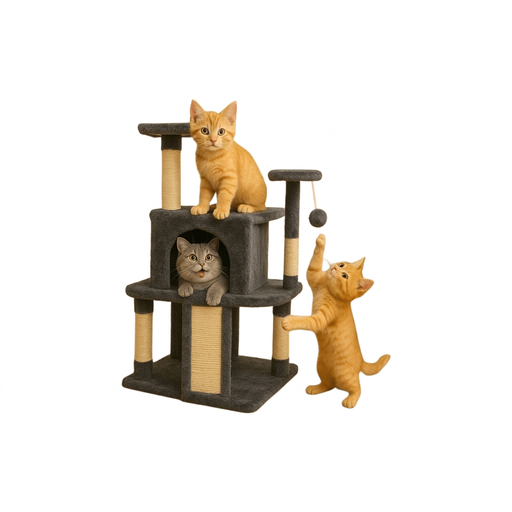
Why this model stands out This cat tree is an example of intelligent space utilisation. With a height of 102 cm and a footprint of just 43 × 43 cm, it maximises vertical space while still offering a variety of activities.
Benefits
Who is it for? Ideal for owners of small to medium-sized cats or kittens living in an apartment who need an all-in-one solution for climbing, scratching, and sleeping on a small footprint.
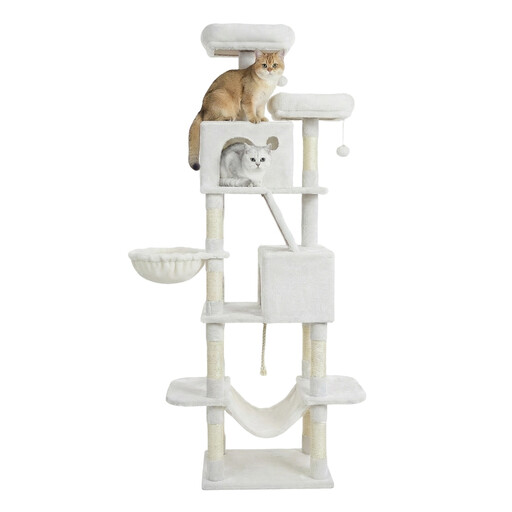
Why this model stands out With an impressive height of 206 cm, this model is a true XXL cat tree. It was specifically designed for households with multiple or very active cats and offers an abundance of climbing, playing, and resting zones.
Benefits
Who is it for? Perfect as a cat tree for multiple cats, for owners of large breeds (e.g., Maine Coon), or for very active cats who need a real adventure playground. Requires sufficient ceiling height and space.
Every cat has its own preferences, and every living space has different requirements. If the models presented here don't exactly meet your needs, there are many other variations to discover. From minimalist scratching boards to floor-to-ceiling climbing landscapes, the selection is vast.
The ideal location is a room where the family frequently gathers, such as the living room. Cats are social animals and enjoy watching what's going on. A spot by a window offers additional entertainment. If your cat has already chosen a specific spot for scratching, it can help to place the new cat tree nearby initially.
Place the tree in an attractive location. Make it interesting by attaching toys, scattering treats on the different levels, or rubbing some catnip on the sisal surfaces. Actively play with your cat on and around the new piece of furniture. Patience is key here; some cats need a little time to accept a new addition to their environment.
Plush surfaces should be regularly vacuumed to remove hair and dust. Stains can be treated with a damp cloth and a mild detergent. Periodically check that all screws and connections are still tight to ensure stability. On many models, worn-out sisal posts can be replaced.