
Lieferung heute & morgen

Qualitätsgarantie

Willkommens-Angebote freischalten: KOSTENLOSE Lieferung | Bis zu 80 % RABATT | Kostenlose 30-Tage-JoyPlus-Testphase
App herunterladen
A CC cream promises the perfect fusion of skincare and makeup: it's designed to even out your complexion, hydrate your skin, and protect you from the sun. However, the market is saturated with products whose marketing claims often fall short in practice. Many users invest in a supposed all-in-one solution, only to find that the product doesn't match their skin tone, the sun protection is inadequate, or the skincare benefits are non-existent.
As your Joybuy Product Recommendation Officer, I'm here to help you identify these common pitfalls. Instead of falling for exaggerated advertising claims, you should focus on objective criteria. We'll break down the three most common misconceptions when buying a CC Cream and show you what truly matters to find the right product for your needs.
To avoid a bad purchase, focus on verifiable features that match your skin type and goals.
The term CC Cream (Colour Correcting Cream) implies a colour-correcting effect, but the intensity varies greatly. Consider the result you want to achieve:
Effective makeup with sun protection is a key advantage of a CC cream. Pay attention to two crucial factors:
A good skincare-infused foundation or CC cream contains active ingredients with proven benefits for the skin. Instead of trusting vague promises, check the ingredient list for specific components:
Instead of an overwhelming list, we present products tailored to specific needs and user profiles.
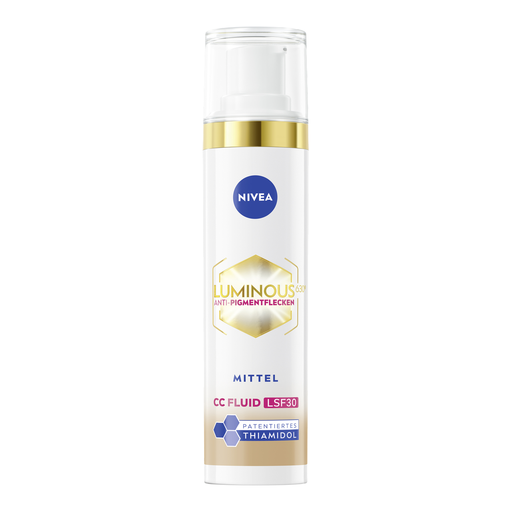
Why This Fits Their Persona: This user is looking for a straightforward and effective daily solution that not only provides coverage but also actively works against pigmentation while offering reliable sun protection.
Instead of vague skincare promises, the formula relies on the patented active ingredient THIAMIDOL, which was specifically developed to reduce dark spots. The SPF 30 also provides solid protection, avoiding the pitfall of an insufficient SPF.
Combines immediate concealment through micro-encapsulated pigments with a long-term formula that targets dark spots. Its skin compatibility is dermatologically confirmed.
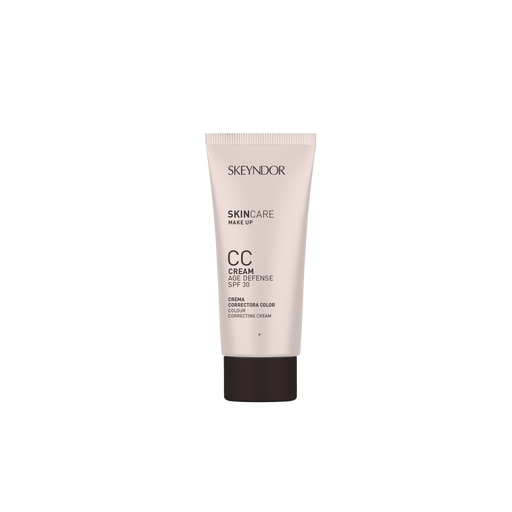
Why This Fits Their Persona: This user values a multifunctional product that not only creates an even complexion but also actively combats the signs of ageing and reliably protects against sun damage.
This product combines a solid SPF 30 with proven anti-ageing ingredients like Vitamin C and Hyaluronic Acid. It makes no empty promises, instead delivering a formula with ingredients known for their hydrating and protective effects.
The lightweight, non-greasy texture provides a comfortable feel and a healthy glow. The formula is paraben-free and offers a great balance of coverage and care.
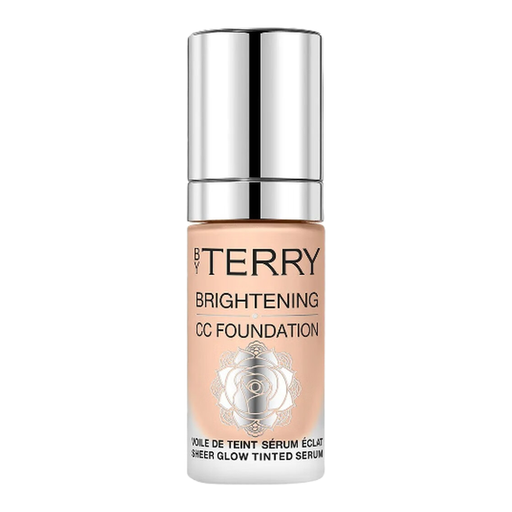
Why This Fits Their Persona: For this user, a luxurious feel, high-quality ingredients, and a flawless, radiant complexion are paramount. She views makeup as an extension of her skincare routine and is willing to invest in an exceptional formula.
This product clearly positions itself as a foundation with the nourishing properties of a serum, avoiding the trap of being an inadequate jack-of-all-trades. It focuses on intense hydration and a perfect finish rather than promising an SPF, which should be applied separately anyway.
According to the manufacturer, the formula is made of 90% natural ingredients, including Japanese Rose Extract and Shea Butter. The lightweight texture provides a radiant finish and up to 24 hours of hydration.
We have compiled a complete, up-to-date list of products that fully meet these strict selection criteria.
1. Can a CC cream completely replace my daily moisturiser and sunscreen? That depends on the product and your skin type. For dry skin, it's often advisable to use a separate moisturiser underneath the CC cream. To achieve the sun protection factor stated on the packaging, you must apply a sufficient amount of the product (about half a teaspoon for the face). Many users apply a smaller amount, which is why an additional, dedicated sunscreen under the CC cream is recommended for complete protection.
2. How do I find the right shade for my CC cream online? Many brands offer digital "try-on" tools or shade-finder quizzes on their websites. Another method is to search for online reviews or swatch photos from people with a similar skin tone. Pay attention to undertone descriptions like "cool" (often marked with a C), "warm" (W), or "neutral" (N) to achieve a better match.
3. What is the difference between a CC cream, a BB cream, and a tinted moisturiser? Although the lines are often blurred, there are general distinctions: