
Lieferung heute & morgen

Qualitätsgarantie

Willkommens-Angebote freischalten: KOSTENLOSE Lieferung | Bis zu 80 % RABATT | Kostenlose 30-Tage-JoyPlus-Testphase
App herunterladen
Choosing a new LED ceiling light can quickly become overwhelming. The market is filled with countless models, all advertising energy efficiency and modern design. But not every light delivers on its promise. Often, overlooked details or misunderstood technical specifications lead to a purchase that later proves to be unsuitable or even a safety hazard.
As your Joybuy Product Recommendation Officer, I'll help you identify the crucial features. We'll focus on the facts so you can make an informed decision and avoid the three most common pitfalls when buying a ceiling light.
Before we dive into the technical details, let's look at the typical stumbling blocks that often lead to disappointment.
To avoid these pitfalls, you should check three key technical values before buying. These determine the function, safety, and atmosphere of your new lighting.
Forget watts and focus on these two values to correctly assess the light's effect:
A dimmable LED ceiling light with adjustable colour temperature offers the greatest flexibility to adapt the lighting to different situations.
The IP (Ingress Protection) rating indicates how well a light is protected against the entry of foreign objects (first digit) and water (second digit). This is an essential safety feature for damp rooms.
Therefore, when choosing a light for the bathroom or kitchen, explicitly look for a rating of IP44 or higher.
Besides the technical values, material and additional functions also play a role in durability and comfort.
Here are some models tailored to different needs and room situations.
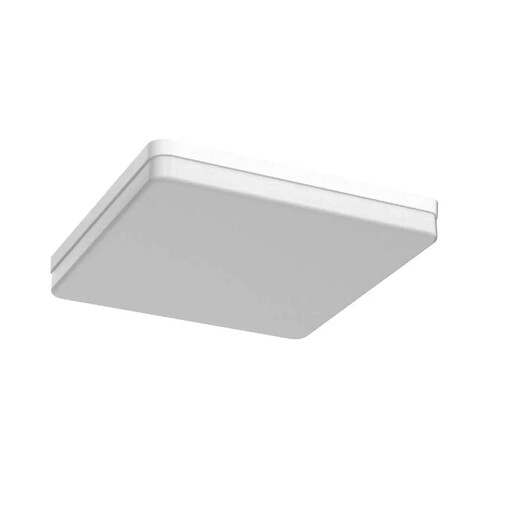
Why This Fits Their Persona: Ideal for anyone looking for functional, bright, and straightforward lighting for a hallway, kitchen, or study. The ultra-slim design is modern and space-saving.
Clear specifications for lumens (3300 lm) and Kelvin (4500 K) prevent a bad purchase. You know exactly what brightness and light colour you're getting for your money—a crisp, neutral white light.
High light output with low consumption. The slim design (approx. 3.5 cm) is well-suited for rooms with low ceilings.
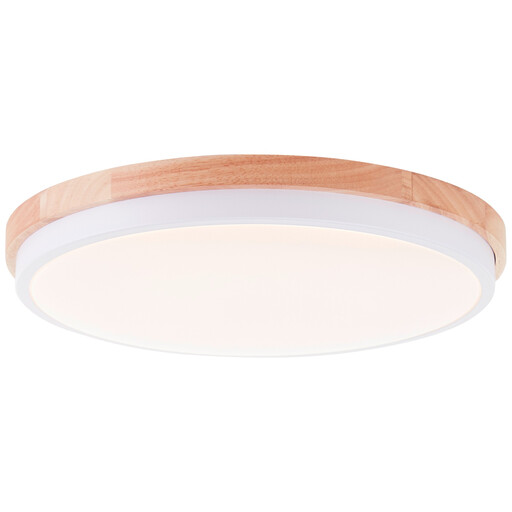
Why This Fits Their Persona: Perfect for users who want to create a warm atmosphere in their living room or bedroom. The real wood finish brings a natural feel to the space, while the dimming function offers flexibility for any mood.
With 3000 K (Warm White), it specifically avoids the "wrong atmosphere" trap. This light is explicitly designed for a cosy ambiance, not a sterile work environment.
Integrated 3-step dimmer with a memory function. The light remembers the last selected brightness level. Real wood elements for a high-quality look.
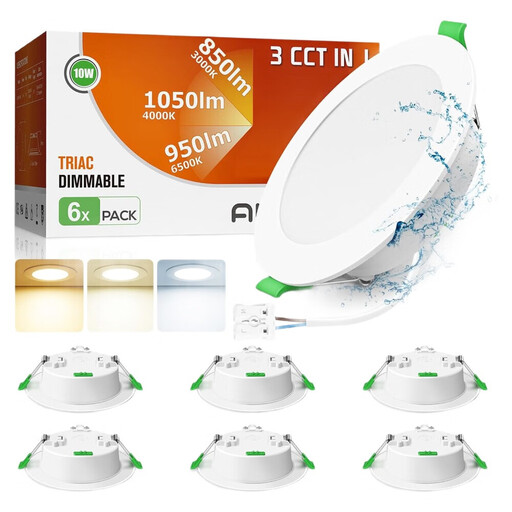
Why This Fits Their Persona: The solution for renovators who need flexible and safe lighting for damp areas like bathrooms or kitchens. The slim design allows for installation even with low ceiling clearance.
With an IP44 rating, it bypasses the safety trap for damp rooms. These spotlights are explicitly suitable for use in bathrooms and kitchens, offering protection against splashing water.
Three selectable colour temperatures (3000/4000/6500 K) and dimmability (with a compatible dimmer) offer maximum flexibility. Direct connection to 230 V without a transformer.
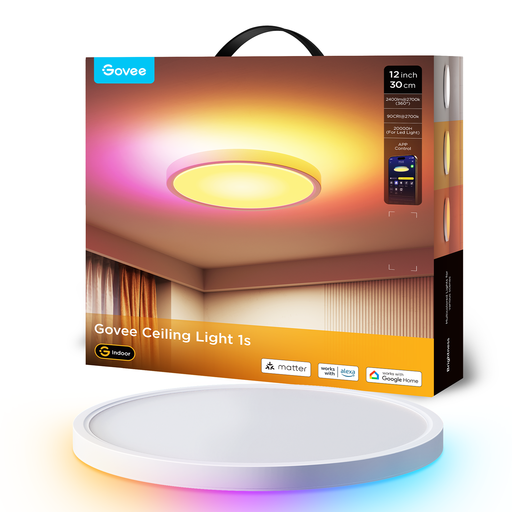
Why This Fits Their Persona: For tech enthusiasts who want to fully personalise their lighting and integrate it into their smart home. Ideal for gaming rooms, living rooms, or creative workspaces.
This light solves the "wrong atmosphere" problem through maximum control. With over 16 million colours (RGBIC) and an adjustable colour temperature (2200-6500 K), the light adapts to any conceivable situation.
Comprehensive control via app and voice (Alexa/Google Assistant). Music synchronisation and preset scene modes for dynamic lighting effects.
We have compiled a complete, up-to-date list of products that fully meet these strict selection criteria and German safety regulations.
The lifespan of an integrated LED is typically rated between 20,000 and 50,000 operating hours. With an average use of four hours per day, this equates to a lifespan of over 13 years. The actual duration depends on the quality of the chips and the light's thermal management.
IP44 means the light is protected against the ingress of solid foreign objects larger than 1 mm in diameter (first digit 4) and against splashing water from all directions (second digit 4). It can therefore be safely installed on the ceiling in a bathroom, as long as it is not exposed to a direct water jet from a shower.
Installing a ceiling light involves working with your home's electrical system. According to regulations in many regions, including Germany, such work must only be carried out by a qualified electrician. This is for your own safety and ensures the connection is done professionally and in compliance with insurance requirements. We therefore strongly recommend leaving the installation to a professional.