
Lieferung heute & morgen

Qualitätsgarantie

Willkommens-Angebote freischalten: KOSTENLOSE Lieferung | Bis zu 80 % RABATT | Kostenlose 30-Tage-JoyPlus-Testphase
App herunterladen
Choosing the right ceiling light is crucial for a room's atmosphere. However, the market is flooded with options whose technical specifications often confuse more than they clarify. A poor decision not only leads to unsuitable lighting but also to unnecessary expenses. This guide will help you avoid common pitfalls and make an informed choice.
Before we dive into the key selection criteria, let's look at three common problems that can arise when purchasing a new ceiling lamp.
To avoid these mistakes, you should focus on three objective criteria. These will help you correctly assess the functionality and suitability of a light for your needs.
A lamp's brightness is measured in lumens. This is the decisive value for evaluating light output. The following recommended values per square metre (m?) serve as a guideline for ambient lighting:
For a 20 m? living room, a living room lamp with a total of 2000 to 3000 lumens would be a good starting point.
The colour temperature determines the light's colour and, consequently, the room's ambiance. It is specified in Kelvin:
A dimmable ceiling light that also allows for colour temperature adjustment offers maximum flexibility for rooms with varying uses.
The construction type determines not only the design but also its flexibility.
Here are some recommendations tailored to different requirements and interior styles.
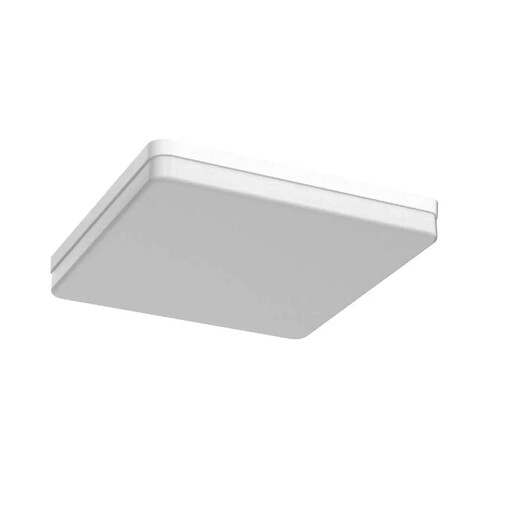
Why This Fits Their Persona: Ideal for users seeking straightforward, functional, and energy-efficient lighting for everyday spaces like hallways, kitchens, or bathrooms. The minimalist design blends seamlessly into any modern decor without being obtrusive.
The clear specifications of 3300 lumens and 4500 Kelvin (Neutral White) prevent purchasing mistakes based on incorrect assumptions about brightness or atmosphere. The integrated LED technology eliminates the need to buy separate bulbs.
High energy efficiency and a long lifespan of approximately 30,000 hours reduce operating costs. The ultra-slim design is space-saving and modern.
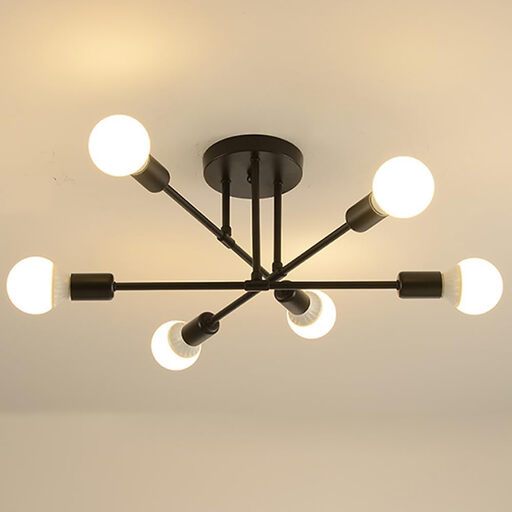
Why This Fits Their Persona: Perfect for style-conscious individuals who want to use a black ceiling lamp as a central design feature in their living or dining room. The Sputnik light is a statement piece that blends Mid-Century and modern aesthetics.
By using six standard E27 sockets, this model avoids the trap of integrated LEDs. You have full control over brightness and colour temperature by selecting and replacing the bulbs yourself as needed.
The arms are adjustable, allowing for customized light direction. The sturdy metal construction ensures durability.
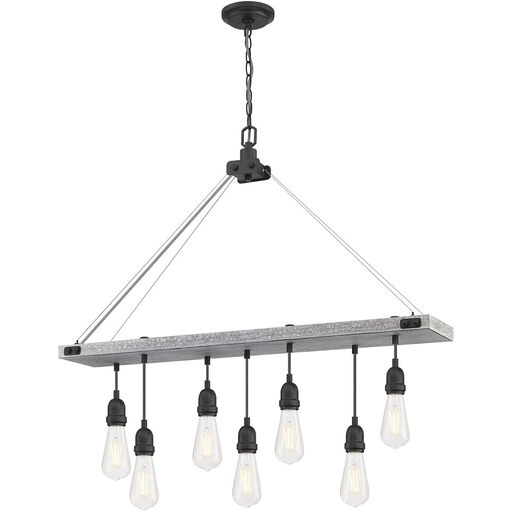
Why This Fits Their Persona: This chandelier combines antique ash wood with matte brushed metal, making it an excellent fit for rustic or industrial-style living spaces, especially in dining rooms or entryways with high ceilings.
The seven E27 sockets offer maximum creative freedom. Instead of being locked into a predefined light colour, you can achieve the exact retro look you want by choosing filament or vintage-style LED bulbs.
The high-quality combination of real wood and metal ensures a premium look and feel, as well as durability. The light is also suitable for installation on sloped ceilings.
We've compiled a complete, up-to-date list of products that fully meet these strict selection criteria and rigorous safety standards.
For comfortable ambient lighting in a living room, a value of about 100 to 150 lumens per square metre is recommended. For a 25 m? room, the ceiling light should therefore provide between 2500 and 3750 lumens. A dimmable light offers additional flexibility here.
A classic ceiling light is mounted directly and flat against the ceiling (surface-mounted light). It is well-suited for rooms with low ceilings and for providing uniform illumination. A pendant lamp hangs from the ceiling on a cable or rod and is often used for targeted lighting over tables or as a decorative element.
That depends on the type of dimming function. Many modern LED ceiling lights with a built-in dimming feature are controlled via an included remote or a smartphone app and work with a standard on/off switch. Other models require a special, wall-installed LED dimmer switch. Be sure to check the manufacturer's product description for details.