If you make celery juice regularly, a slow juicer is a sensible place to start, provided the specific model can handle fibrous stalks and is easy to clean afterwards. ETM TESTMAGAZIN recommends slow juicers in particular for celery and green juices. If speed with a variety of ingredients is your priority during a break, a centrifugal juicer may be a better fit – just check how well the specific model handles celery and how noisy it is.
Who juices celery during their break?
Regular celery juicers
If you often juice celery on its own, what matters is how well the model handles celery and its fibres, as well as the consistency of the juice. ETM TESTMAGAZIN and JuiceNext treat these as specific factors to consider when choosing.
Breaks with little time for washing up
If you want to spend as little time as possible dismantling and cleaning your juicer after a glass, the work involved afterwards is an important factor. ETM TESTMAGAZIN’s cleaning guide covers how to care for juicers and the parts that come into contact with ingredients.
Versatile juicers for different ingredients
If you switch between celery and other ingredients, weigh up the processing speed, versatility and noise level of the specific model. ETM TESTMAGAZIN looks at the differences between slow juicers and centrifugal juicers.
What should you look for when choosing?
A slow juicer for regular celery juice
A good choice if: You regularly juice fibrous celery stalks and want to compare how specific models perform.
The trade-off: Slow juicers vary in their feeding systems, pressing mechanisms and cleaning requirements. The type of juicer alone tells you nothing about juice yield or the overall effort involved.
A centrifugal juicer for a variety of ingredients
A good choice if: You mainly want to process different ingredients quickly and only juice celery occasionally.
The trade-off: ETM TESTMAGAZIN describes centrifugal juicers as faster when processing larger quantities of ingredients, but also noisier. The parts that come into contact with ingredients still need to be cleaned.
| Buying criterion |
What to check when buying |
Who is it most important to? |
| Celery and fibres |
Compare tests of the exact model version and check the quantity of ingredients used and the testing conditions. |
If I juice celery often, I want to know how the machine handles long fibres and how much juice it produces under comparable conditions. Around 40% of consumers prioritise celery yield and fibre handling. |
| Cleaning up after a glass |
Check how many parts that come into contact with ingredients need cleaning, and how easy it is to access the sieve and outlet. |
If my break is short, I want to know whether the machine is easy to dismantle and clean after making a glass. Around 30% of consumers prioritise ease of cleaning. |
| Speed with different ingredients |
Compare the preparation required and check that the juicer is suitable for the ingredients you actually plan to use. |
If I often juice other fruit and vegetables as well as celery, I want to get the preparation done quickly. Around 20% of consumers prioritise speed when using different ingredients. |
| Noise level |
Look for noise measurements for the specific model and check the conditions under which it was tested. |
If other people are working or relaxing nearby, I want to be able to use the juicer as quietly as possible. Around 10% of consumers prioritise quiet operation. |
Common mistakes when choosing
-
Assuming juicing speed is the same as the time your break takes
A short juicing time tells you little about how long preparation, dismantling and cleaning will take overall for one glass.
Compare the whole process of juicing celery, including the time needed for cleaning.
-
Assuming general slow-juicer results prove a model is suitable for celery
Test results depend on the ingredients used and the specific model. KLAMER notes limitations with certain hard or fibrous ingredients, so a general result does not automatically prove that a juicer can handle long celery stalks.
Check the model version and user manual, and look for results involving fibrous celery stalks.
-
Assuming a large feed chute makes a juicer easy to clean
The feed chute affects how ingredients are added and chopped beforehand, while the sieve and other parts that come into contact with ingredients still need cleaning after juicing. Kuvings describes the REVO830 as having a separate opening for long vegetables; this alone says nothing about how much cleaning is involved.
Compare the feed chute and cleaning requirements separately, and check how easy it is to access the parts that come into contact with ingredients.
-
Choosing a juicer based on detox claims about celery juice
Verbraucherzentrale points out that there is no supporting evidence for sweeping detox claims. This does not indicate which juicer is right for your break.
Choose based on the ingredients you want to juice, ease of use and cleaning – not expectations about healing or detoxing.
Brands and models to consider
Hurom
For buyers who want to compare how well a specific model handles celery and how much work is involved after juicing.
- JuiceNext recorded different cleaning times for the H70FT and H320N/H330P models tested, based on the procedures used in each test.
- Check the specific H320N and H330P versions when buying; test results for individual models do not automatically apply to the whole brand.
Kuvings
The REVO830 may suit buyers who want to feed celery stalks and other ingredients through different openings.
- Kuvings describes the REVO830 as having two feed openings, including one for long vegetables.
- The manufacturer’s information about feeding ingredients does not prove a particular celery yield or a short cleaning time.
Bosch
The VitaExtract MESM731M is a slow juicer that buyers may consider for mixed fruit and vegetable juices.
- Bosch states that the MESM731M has a power rating of 150 W.
- The wattage alone does not indicate celery yield or cleaning time.
KLAMER
The Slow Juicer 150 is a model whose general ease of use and juice yield should be assessed separately from its suitability for celery.
- F.A.Z. Kaufkompass assessed ease of use and juice yield in a general slow-juicer test.
- KLAMER notes limitations with certain hard or fibrous ingredients; this does not mean it is fully suitable for long celery stalks.
Philips
The HR1921/20 centrifugal juicer is an option to compare if you value versatility and specific features.
- Philips states that the HR1921/20 has dishwasher-safe parts and operates at 220–240 V.
- This manufacturer information does not prove a particular celery yield or the total cleaning time.
Slow juicers at Joybuy
This selection includes slow juicers for celery and a variety of ingredients. Check how well each specific model handles fibrous stalks and how much cleaning it requires.
 No image available
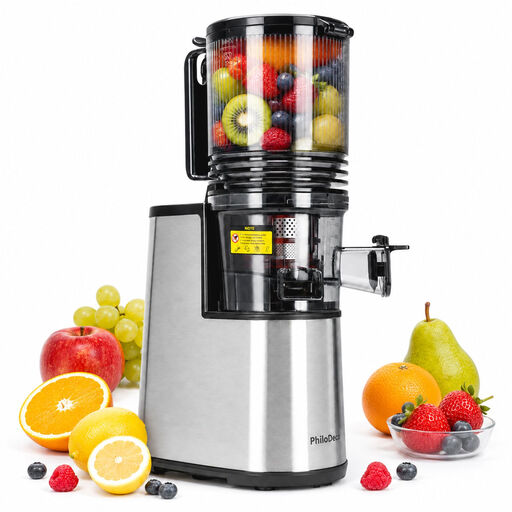
PhiloDeco JE-06 Slow Juicer
When choosing a juicer for fibrous celery, check the feed and reverse functions listed for the model.
REV reverse function; 145 mm feed tube; 250 W motor; 1,000 ml pulp container.
View at Joybuy
 No image available
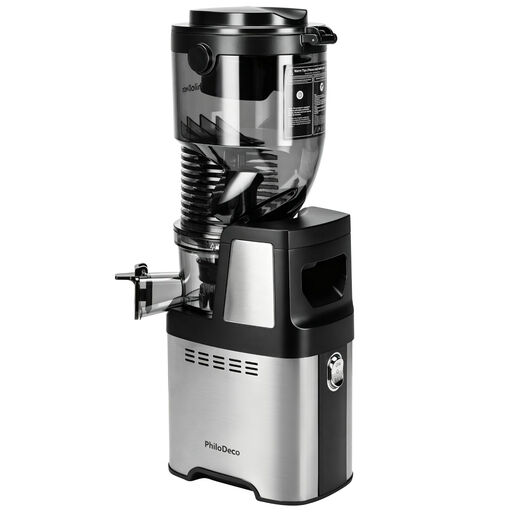
Slow Press Juicer, 9.5 cm feed opening
If you’re considering a slow press juicer for celery, check that it can handle fibrous ingredients and find out what the cleaning process involves.
9.5 cm feed opening; 250 W motor; separate outlets. The product information states that the removable parts that come into contact with ingredients should be washed by hand in warm water.
View at Joybuy
 No image available
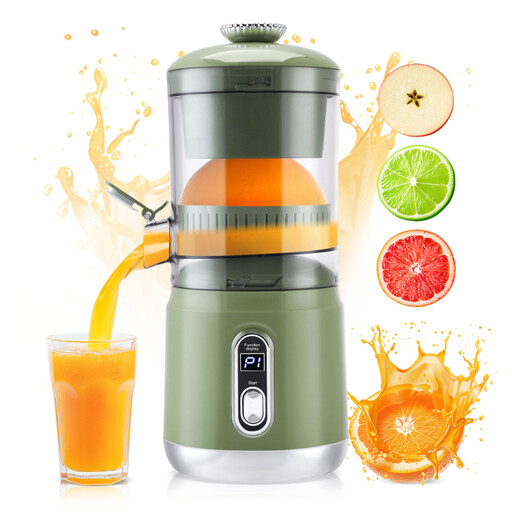
Spiral Masticating Slow Juicer with Variable Speed
May appeal to buyers looking for a slow juicer for a variety of ingredients.
Variable speed settings are listed in the product name.
View at Joybuy
 No image available
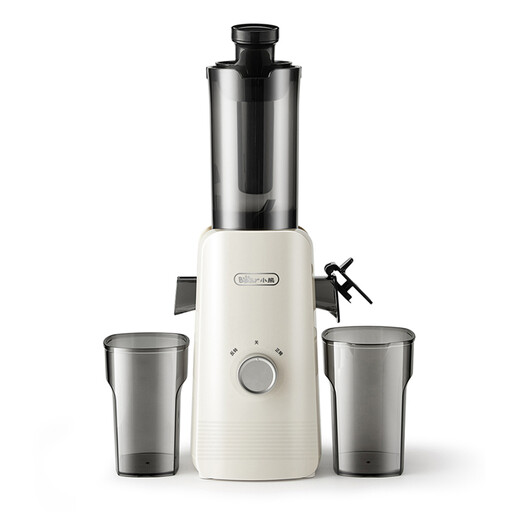
Bear YZJ-F01D6 Slow Masticating Juicer, 1 L, 80 mm
When choosing a juicer for celery, consider the feed opening and cleaning requirements of the specific model.
1-litre model; 80 mm feed opening; silver finish.
View at Joybuy
 No image available
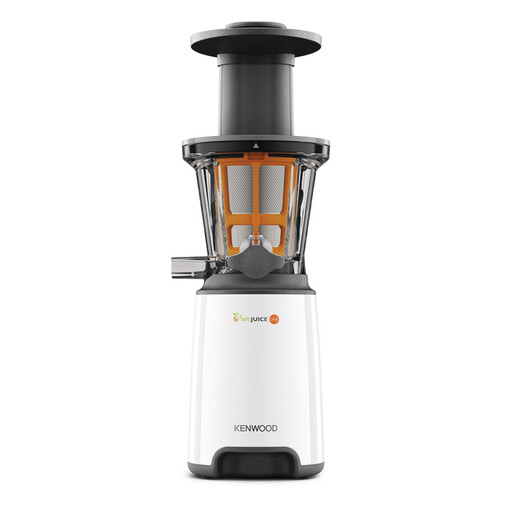
Kenwood JMP400WH Slow Juicer, white
May suit buyers considering a slow juicer for celery who can allow time for preparation before juicing.
The user instructions say that ingredients must be cut to the recommended size before juicing.
View at Joybuy
Frequently asked questions
Do I need to prepare celery differently for different juicers?
Yes, the feed system and the way a juicer handles long fibres vary by model. Kuvings describes the REVO830 as having a separate opening for long vegetables; still, follow the relevant instructions and include cleaning in your overall time.
What should I know about hygiene and storing celery juice?
Clean the parts that come into contact with juice and fibres according to the appliance instructions, and wash raw vegetables thoroughly. The German Federal Institute for Risk Assessment points out that washing reduces germs but does not remove them completely. Make the juice as fresh as possible and refrigerate it if you plan to store it; shelf-life information for packaged juices cannot automatically be applied to freshly pressed celery juice.
What are my rights if an online juicer is faulty or I want to return it?
If an item is faulty, your statutory consumer rights apply; these are separate from any voluntary manufacturer’s guarantee. Online purchases generally come with a 14-day cancellation period, subject to statutory conditions and exceptions. The European Union explains both on Your Europe.
Does a CE marking prove juice quality or show that a product has been independently tested?
No, the CE marking is not a comparative test of celery yield. It indicates that the manufacturer declares the product meets the relevant legal requirements. Electrical appliances covered by the EU Low Voltage Directive must meet its requirements.


