
Lieferung heute & morgen

Qualitätsgarantie

Willkommens-Angebote freischalten: KOSTENLOSE Lieferung | Bis zu 80 % RABATT | Kostenlose 30-Tage-JoyPlus-Testphase
App herunterladen
A Centella cream is often marketed as a Cica cream, Centella Asiatica face cream or soothing face cream. Claims range from hydration and barrier protection to anti-ageing benefits. But the name on the front of the pack isn’t the only thing that matters: check the full INCI list, the texture and whether the product is suitable for your skin.
If you have sensitive, dry or redness-prone skin, three common misconceptions can lead to the wrong choice.
A claim such as “20% Centella” or “72% Centella Asiatica” may sound clear-cut, but it doesn’t tell you how the rest of the formula is put together or whether other ingredients are relevant to your skin. The form of the extract can also vary, for example, leaf extract, fermented extract or isolated components such as madecassoside.
Some products contain Centella alongside essential oils or fragrance ingredients, such as orange, lavender, bergamot or rosemary oil. So if you’re looking for a fragrance-free face cream, check the INCI list rather than relying on the marketing claim alone.
A rich barrier-repair cream containing oils, shea butter, waxes or silicones may feel comfortable on dry skin. For oily or blemish-prone combination skin, a light gel cream is often a better fit. Choosing the right texture is just as important as choosing the active ingredient.
Centella Asiatica is often combined with glycerin, panthenol, hyaluronic acid, squalane, ceramides or niacinamide in cosmetic formulas. Glycerin and hyaluronic acid are mainly used to help retain moisture. Ceramides, cholesterol and phytosphingosine are often found together in formulas designed to support the skin barrier.
A cream for redness shouldn’t be considered a medical treatment. Cosmetic products can affect how your skin feels and looks. If you have persistent symptoms, stinging or inflammatory changes, it’s a good idea to seek advice from a dermatologist.
If your skin is reactive, look out for ingredients such as “Parfum”, “Limonene”, “Linalool” and essential oils. “Unscented” and “fragrance-free” can be useful points of reference, but they don’t replace checking the current product packaging.
An anti-ageing cream with Centella may contain other active ingredients, such as peptides, adenosine, niacinamide or retinol. Retinol needs particular care: according to the product information for Centellian24 Madeca Cream Time Reverse, the formula contains retinol. The manufacturer recommends using sun protection every day while using the product and advises seeking medical advice before use during pregnancy. Always follow the information on the product packaging.
Before applying a product to a larger area for the first time, try it on a small patch of skin. Stop using it if irritation or redness occurs.
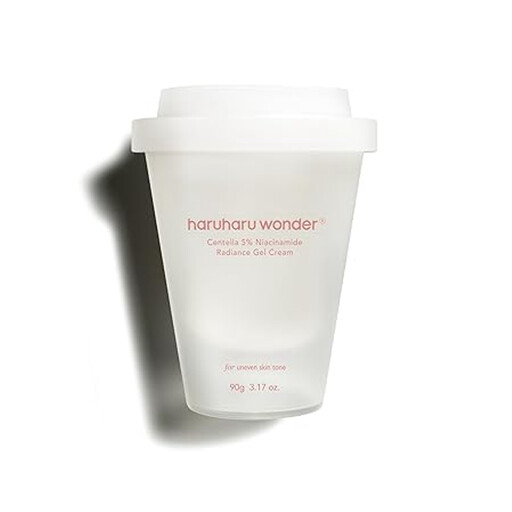
Why this product suits this profile: According to the product information, this 90-g gel cream combines 5% niacinamide, 3.8% Centella Asiatica leaf water and 2% squalane. Its light texture works well for a simple morning or evening routine.
The gel texture helps prevent a day cream from feeling unnecessarily heavy on combination skin. The product description says no fragrance has been added.
A light gel cream with 5% niacinamide and 2% squalane; described as vegan and cruelty-free in the product information.
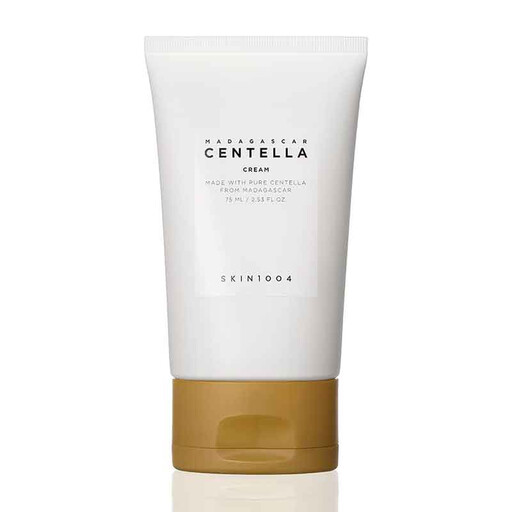
Why this product suits this profile: The product description lists 20% Centella Asiatica extract, niacinamide, squalane and ceramide NP. The cream is intended for normal to sensitive skin and is described as vegan and cruelty-free.
By highlighting complementary ingredients, this product encourages you to look beyond the Centella percentage alone. Check the current INCI list to confirm the claim that it contains no artificial fragrance.
A 75-ml tube with Centella, squalane, niacinamide and ceramide NP in a light, gel-like texture.
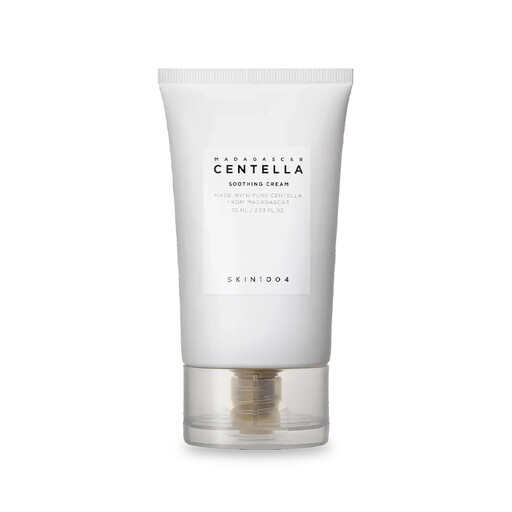
Why this product suits this profile: The formula contains Centella, ceramides, cholesterol and fatty acids. It may appeal if you’re specifically looking for ingredients commonly found in barrier creams.
The product details list several lipids, rather than relying on a Centella claim alone. Even so, you should check how well your skin tolerates the formula.
75 ml of product, with ceramides NP, NG, AS, AP and EOP listed in the ingredients.
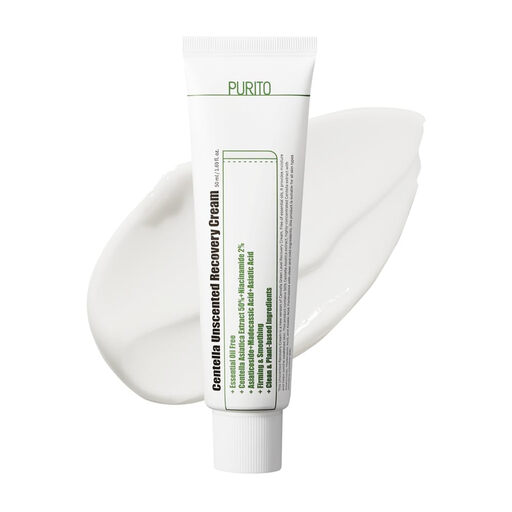
Why this product suits this profile: The product description says the cream is fragrance-free and contains Centella Asiatica, niacinamide, ceramide NP and squalane. Its light formula is described as suitable for combination skin.
The “Unscented” label helps avoid the common assumption that Centella skincare is automatically fragrance-free. Check the INCI list again if the formula changes.
Ceramide NP and squalane to care for dry areas; suitable for a daily morning and evening routine.
We’ve put together a complete, regularly updated list of products that meet these strict selection criteria and fully comply with the safety regulations in force in the EU.
Apply a Centella cream after cleansing. If you use several skincare steps, it usually goes on after serum or essence. A small amount is often enough for your face and neck. In the morning, follow with sun protection, especially if your routine also includes retinol or other ingredients that can make skin more sensitive to light.
The period-after-opening symbol, best-before date and batch number can be found on the packaging. Heat, direct sunlight and frequent opening can affect the product’s quality. Formulas may change, so always refer to the current ingredients list on the product you receive.
Many formulas are designed for sensitive skin, but Centella alone doesn’t guarantee that a product will suit you. Check for fragrance ingredients, essential oils, alcohol and other active ingredients. It’s a good idea to test the product on a small patch of skin.
Yes, as long as the formula contains enough hydrating and nourishing ingredients. Glycerin, panthenol, hyaluronic acid, squalane and ceramides may all be useful factors to consider. If your skin is very dry, a richer texture may feel more comfortable than a gel cream.
Check the PAO symbol on the packaging, for example “12M”, as well as the product’s smell, colour and consistency. If it changes noticeably or causes irritation, stop using it.