
Lieferung heute & morgen

Qualitätsgarantie

Willkommens-Angebote freischalten: KOSTENLOSE Lieferung | Bis zu 80 % RABATT | Kostenlose 30-Tage-JoyPlus-Testphase
App herunterladen
A Centella face cream is often sought out by people with sensitive, dry or redness-prone skin. Terms such as “Cica”, “barrier protection” and “soothing care” now appear on many packages. However, it is not just the product name that matters, but the specific formulation and the texture that suits you.
“Cica” is a familiar term for products containing Centella Asiatica. The plant can be included in various forms, such as Centella Asiatica extract, leaf water, madecassoside or a fermented ingredient. Its position in the INCI list offers an initial indication of the amount used, but it does not replace an individual skin-compatibility test.
A Centella Asiatica cream may also contain niacinamide, peptides, acids, fragrances or essential oils. If you have sensitive skin, checking the complete ingredients list is therefore more important than relying on a prominent “Cica” claim.
A face cream for dry skin may contain more lipids, oils or ceramides. With combination or oily skin, however, a very rich texture can feel uncomfortable. If you are looking for a non-comedogenic face cream, look for a corresponding statement from the manufacturer. Without this information, individual ingredients alone cannot provide a blanket indication of how well the product will suit your pores.
Niacinamide, peptides, vitamin C and chemical exfoliants each have different uses. A cream containing several active ingredients may be appealing, but it is not necessarily the right choice during a period of irritated skin. Particularly if your skin is dry or sensitive, it is best to introduce products gradually and keep your routine manageable.
For a moisturiser for sensitive skin, hydrating and skin-conditioning ingredients are particularly relevant alongside Centella. These include, for example:
The effect of cosmetic ingredients depends on their concentration, the overall formulation and your individual skin. Claims such as “strengthens the skin barrier” should therefore be understood as cosmetic product properties, not medical promises.
If you are looking for a cream for redness suitable for sensitive skin, you may prefer a fragrance-free formulation. However, “without artificial fragrances” does not automatically mean that no fragrance components are present. Essential oils may also be included in a formulation.
Before applying the product over a large area for the first time, it is sensible to carry out a small skin-compatibility test. Stop using the product if you experience stinging, itching or increasing redness. Cosmetic creams are not intended to treat skin conditions.
A lightweight gel cream is often suitable for daytime use, underneath sun protection or for combination skin. A denser cream may feel more comfortable on dry skin and as part of an evening routine. Apply a Centella face cream to cleansed skin and spread it without pressing too firmly. For products containing acids or higher concentrations of active ingredients, follow the manufacturer’s instructions.
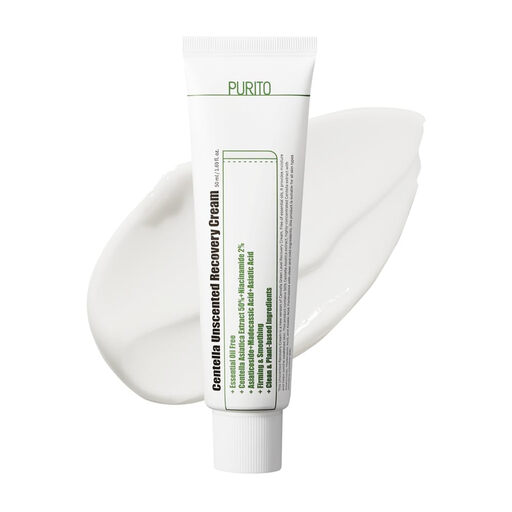
Why this product suits this profile: The fragrance-free formulation combines Centella Asiatica with niacinamide, Ceramide NP and squalane. This makes it a sensible choice for people looking for a simple Korean face cream for combination and sensitive skin.
The “Unscented” designation and the listed INCI ingredients make it easier to check for added fragrances. Even so, an individual patch test remains advisable.
Centella Asiatica, Ceramide NP and squalane; 50 ml contents and a lightweight cream texture according to the product description.
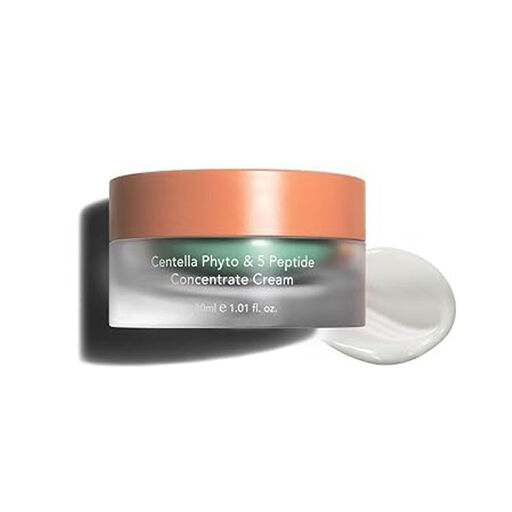
Why this product suits this profile: The concentrated cream combines Centella Asiatica with a 5-peptide complex, squalane, shea butter and plant proteins. It is aimed at shoppers looking for plumping care as well as hydration.
The product description names specific active ingredient groups and highlights its vegan and cruelty-free properties. For a final check, refer to the packaging and the current INCI list.
5-peptide complex, Centella Asiatica and squalane; described as vegan, cruelty-free and free from artificial fragrances.
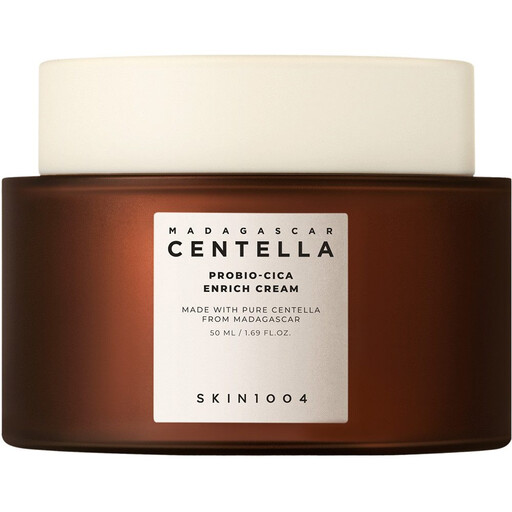
Why this product suits this profile: This richer moisturiser contains fermented Centella, ceramides, squalane, panthenol and hyaluronic acid. It suits dry, sensitive or stressed skin that needs more intensive hydration.
The formulation does not rely solely on the term Cica, but lists several recognisable hydrating and lipid components. If you have combination skin, test the rich texture sparingly at first.
50 ml contents, fermented Centella, Ceramide NP, panthenol and sodium hyaluronate according to the stated INCI list.
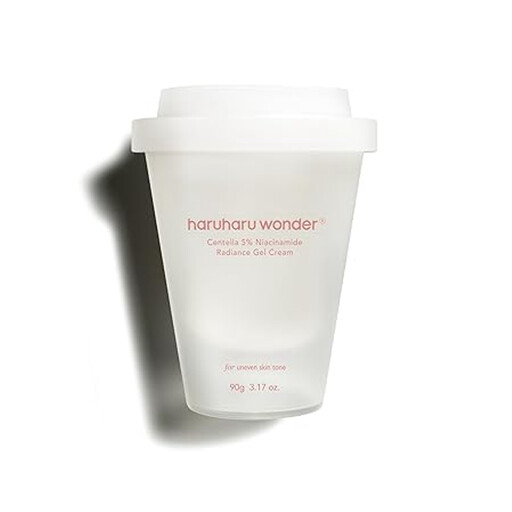
Why this product suits this profile: The lightweight gel cream combines 5% niacinamide, Centella leaf water, squalane and ascorbic acid. It is an appealing option for people who prefer a fragrance-free, fast-absorbing daytime moisturiser.
The active ingredient concentrations are stated specifically in the product description. Even so, if you have sensitive skin, introduce niacinamide and vitamin C gradually into your routine.
Gel texture, 5% niacinamide, 3.8% Centella leaf water and 2% squalane according to the product information; no added fragrance.
A face cream should be applied after cleansing and, if appropriate, after toner or serum. In the morning, a suitable sunscreen should be part of your routine, particularly if you also use products containing vitamin C or exfoliating acids.
Shelf life is determined by the printed best-before date and the PAO symbol. This symbol, such as “12M”, indicates the recommended period of use after opening. Changes in smell, colour or consistency are reasons to stop using the product. The INCI list may vary between production batches; the packaging is the authoritative source.
That depends on the complete formulation. Fragrance-free products with few additional active ingredients may be a suitable option. However, there is no guarantee that a product will suit everyone. If you have a known allergy or persistent skin concerns, discuss your choice with a dermatology professional.
According to many manufacturers, these products are intended for use in the morning and evening. When trying a new formulation, it is best to start by using it every other day. If you also use an exfoliant or retinoid, avoid expanding your skincare routine with several active products at the same time.
Centella-based skincare may help support the skin’s feel and hydration. However, a cosmetic cream is not a medicine and does not replace treatment for acne, rosacea or other skin conditions. If you have blemish-prone skin, texture, skin compatibility and a non-comedogenic label are more important than a single active ingredient claim.