
Lieferung heute & morgen

Qualitätsgarantie

Willkommens-Angebote freischalten: KOSTENLOSE Lieferung | Bis zu 80 % RABATT | Kostenlose 30-Tage-JoyPlus-Testphase
App herunterladen
Ceramic decor adds a special touch to any room—from a rustic boho vase on a side table to an elegant ceramic planter on the windowsill. But the selection can quickly become overwhelming. Not every visually appealing piece is practical or durable. Before you make a purchase, it's helpful to know some common pitfalls that often only become apparent after you buy.
As your Joybuy Product Recommendation Officer, I'm here to help you separate the wheat from the chaff. This guide will show you what to look for to avoid buyer's remorse and find durable, suitable ceramic accessories for your home.
To avoid these problems, you should check three key aspects before buying. These will help you objectively assess the quality and functionality of a ceramic product.
The term "ceramic" covers various materials with different properties.
Pro Tip: For any ceramic vase or pot that will come into contact with water, check if the inside has a smooth, continuous layer of glaze. For a ceramic planter, stoneware is often a durable choice.
The stability of an object is directly related to its shape. Look for a balanced ratio between height and base area. A wide, heavy bottom ensures a secure footing and minimises the risk of tipping. This is especially important for ceramic table decor that can be easily bumped in daily life, or for tall vases that will hold heavy flowers.
For anyone who loves live plants, this is an indispensable feature. A ceramic planter should ideally have a drainage hole at the bottom to allow excess water to escape. A matching saucer will catch the water and protect your furniture. A ceramic cachepot, on the other hand, has no hole and serves as a decorative cover for a simpler plastic inner pot that has drainage holes. Clarify the pot's intended function before you buy.
Here are some recommendations tailored to different needs and styles that take the aforementioned quality features into account.
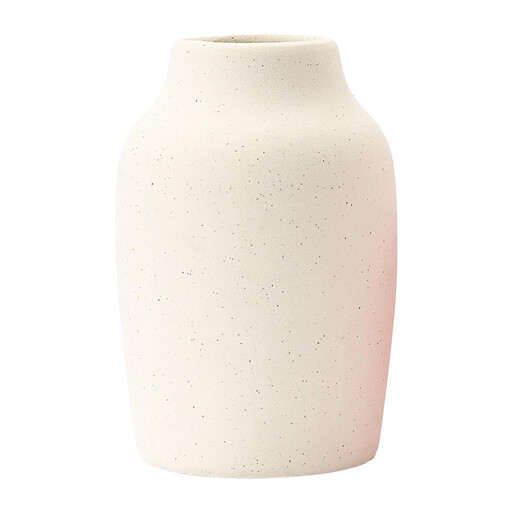
Why This Fits Their Persona: Perfect for those who appreciate a cosy and authentic atmosphere. The warm terracotta colour and classic shape are an ideal match for farmhouse decor, adding an understated yet stylish accent to the living room.
The classic, bulbous shape with a solid base provides good stability and prevents tipping. According to the manufacturer, it is made of high-quality, durable ceramic.
Versatile neutral terracotta tone; robust ceramic construction.
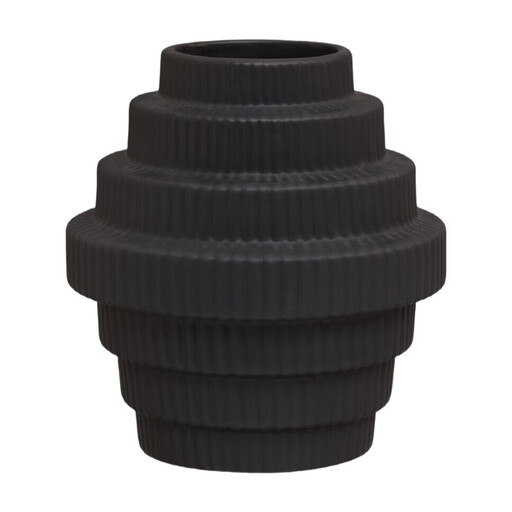
Why This Fits Their Persona: For those who want to make a clear statement. The architectural, stepped shape and ribbed texture make this vase an eye-catcher that fits perfectly with modern decor.
Despite its sculptural form, the wide base ensures good stability. The material is dolomite ceramic, which is a suitable choice for a purely decorative object or for dried flowers.
Unique, architectural stepped design; striking ribbed texture.
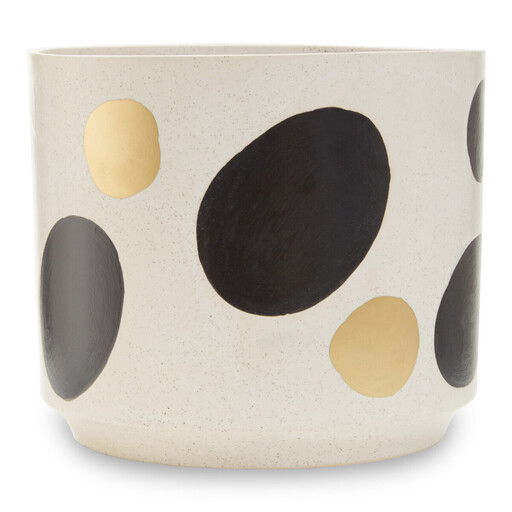
Why This Fits Their Persona: This pot combines aesthetics with plant care. It's not just a decorative highlight but also functional for anyone who values the health of their houseplants.
It directly solves the problem of waterlogging: According to the manufacturer, this ceramic planter features a drainage hole. The material (stoneware) is also known for its durability.
Integrated drainage hole to promote plant health; elegant design with gold speckles.
We've compiled a complete, up-to-date list of products that meet these strict selection criteria and quality standards.
1. How do you properly clean matte ceramic decor? Matte surfaces are more prone to fingerprints and stains than glazed ones. To clean them, use a soft, slightly damp cloth. For more stubborn marks, a drop of mild dish soap can help. Be sure to avoid abrasive cleaners or hard brushes, as they can scratch the surface.
2. Is every ceramic flower pot suitable for outdoor use? No. Not all ceramic is frost-resistant. Porous materials like terracotta or low-fired ceramic, in particular, can absorb water that expands when it freezes, causing the material to crack. For outdoor use, you should specifically look for products labelled as "frost-proof" or "suitable for outdoors," made from high-quality stoneware or specially treated material.
3. What is the difference between a cachepot and a ceramic planter? The main difference is functional. A planter is intended for direct planting and therefore has a drainage hole at the bottom to allow excess water to escape. A cachepot is a purely decorative cover without a hole. You place a plant, along with its simple plastic inner pot (which has holes), inside the cachepot. This protects furniture from water and makes it easy to swap out plants.