
Lieferung heute & morgen

Qualitätsgarantie

Willkommens-Angebote freischalten: KOSTENLOSE Lieferung | Bis zu 80 % RABATT | Kostenlose 30-Tage-JoyPlus-Testphase
App herunterladen
Choosing a new dinnerware set is a decision that shapes daily life for years to come. It's not just about functionality, but also about the aesthetic that accompanies every meal. Given the abundance of materials, designs, and set configurations, the search for the right service can become overwhelming. This guide serves as a reference, presenting objective criteria to help you find a ceramic dinnerware set that meets your standards for both design and everyday practicality.
Before you make a decision, a few basic considerations are helpful. Material, scope, and design are the three central pillars for selecting a durable and suitable dinner service.
The general term "ceramic" encompasses various materials with specific properties. A stoneware dinner service, for example, is characterized by a more rustic, earthy feel. It is robust but tends to be more porous than porcelain. Porcelain, in turn, is fired at very high temperatures, which makes it particularly dense, resistant to chipping, and durable. The choice of material affects not only the look and feel but also its care requirements and robustness in daily use.
Consider which pieces you truly need. A dinnerware set for 4 people is often a good starting point for couples or small families. Such sets typically include dinner plates, breakfast or dessert plates, multi-purpose bowls, and coffee cups. A pure plate set, on the other hand, usually focuses only on plates of various sizes. Check the contents carefully to ensure they match your dining habits—from the cereal bowl in the morning to the soup plate in the evening.
Today, creating a modern dinner service often means opting for a minimalist design. Clean lines, subtle colours, and a simple form language ensure the dinnerware is versatile and allows the food to take centre stage. At the same time, practical handling is crucial. Look for the dishwasher and microwave safe labels to ensure the dinnerware can withstand the demands of a modern household and remains easy to clean.
Here, we present a selection of products that cater to different needs and styles. The selection is based on material properties, design, and functionality.
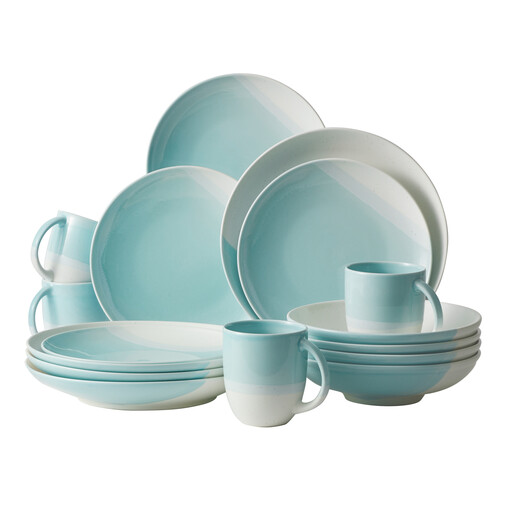
Why it stands out: This 16-piece set provides a complete service for four people, combining a timeless aesthetic with practical utility. The classic blue and white dinnerware is suitable for both everyday meals and more formal occasions.
Advantages:
Who it's for: Ideal for households looking for a complete and stylistically coordinated starter set. The set is suitable for anyone who wants to combine a classic design with modern care features.
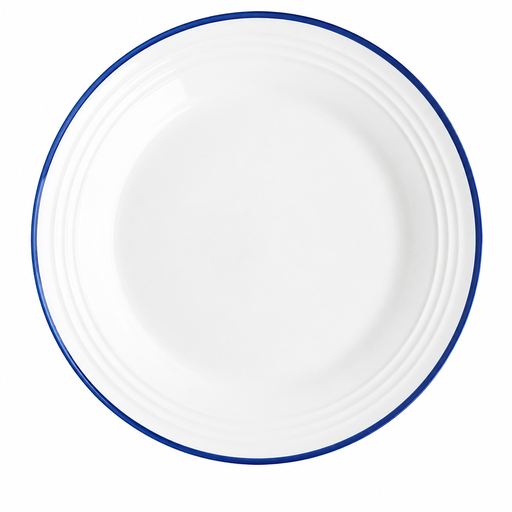
Why it stands out: This plate embodies minimalist design to perfection. The combination of classic white and a fine blue rim gives it a fresh and elegant touch that fits effortlessly into modern, Nordic, or Japanese-inspired interior styles.
Advantages:
Who it's for: For individuals who prefer to assemble their dinnerware individually rather than buying a complete set. Also a great choice for design lovers who want to add specific accents to their dining table.

Why it stands out: As an alternative to ceramic, this stainless steel plate offers exceptional durability. Its unbreakable and heat-resistant nature makes it a highly functional addition to any kitchen.
Advantages:
Who it's for: A practical choice for families with small children, for outdoor use, or for anyone looking for an unbreakable and versatile alternative to traditional ceramic dinnerware. Especially useful for cooking applications that require direct heat.
While blue, white, and metallic tones create a clean, modern atmosphere, some interiors benefit from warmer, earthy colour palettes. If you prefer a different aesthetic, our selection of brown plates may have suitable options for you.
Stoneware is fired at lower temperatures than porcelain. As a result, it tends to be thicker, heavier, and slightly more porous. Porcelain, due to its high-temperature firing, is denser, harder, often thinner, and more translucent. It is considered more resistant to chipping.
A classic combination set for 4 people usually includes 16 pieces: four large dinner plates, four smaller breakfast or dessert plates, four multi-purpose bowls (for soup, cereal, or salad), and four coffee or tea mugs. The exact contents may vary by manufacturer.
Even though many modern ceramic dinnerware sets are declared as dishwasher safe, using mild detergents and avoiding abrasive sponges will extend the life of the glaze. To prevent cracks from thermal shock, dinnerware should not be moved directly from the refrigerator to a hot oven or microwave. When stacking in a cabinet, a paper towel or felt protector between the plates can prevent scratches.