
Lieferung heute & morgen

Qualitätsgarantie

Willkommens-Angebote freischalten: KOSTENLOSE Lieferung | Bis zu 80 % RABATT | Kostenlose 30-Tage-JoyPlus-Testphase
App herunterladen
When the temperatures drop, a single cold room can quickly become uncomfortable. The home office, bedroom, or reading nook feels chilly, while using the central heating for the entire house is often too slow or too expensive. A ceramic fan heater offers a flexible and targeted solution to provide pleasant warmth quickly.
This guide is designed to help you understand the key features of a modern fan heater. We will introduce a selection of models that are well-suited for various applications based on their technical specifications and functions.
The decision for the right portable heater depends on several factors. To make an informed choice, the most crucial aspects are efficiency, safety, and user convenience.
A fan heater that saves energy is not only good for the environment but also for your wallet. Modern devices use advanced technologies to achieve this:
Safety is the top priority, especially in households with children or pets. Look for the following certified safety mechanisms:
A good ceramic fan heater should not only heat but also be comfortable to use:
Based on the criteria mentioned above, we have compiled a selection of devices that stand out for their technical characteristics and features.
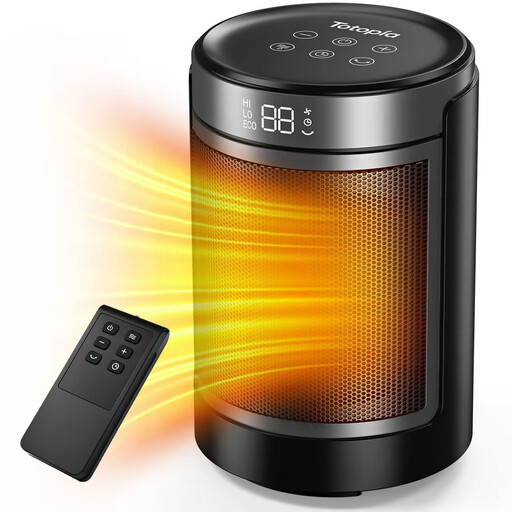
What makes it stand out: The Totopia PTC-907B is a compact and powerful device distinguished by its fast heat-up time and versatile settings. With 1500 watts of power and PTC ceramic technology, it provides warmth in a short amount of time. The ECO mode automatically adjusts the heating output to the room temperature, contributing to its energy efficiency.
Pros:
Best for: Ideal for users looking for a fast and flexible heating solution for small to medium-sized rooms such as bedrooms, offices, or living areas.
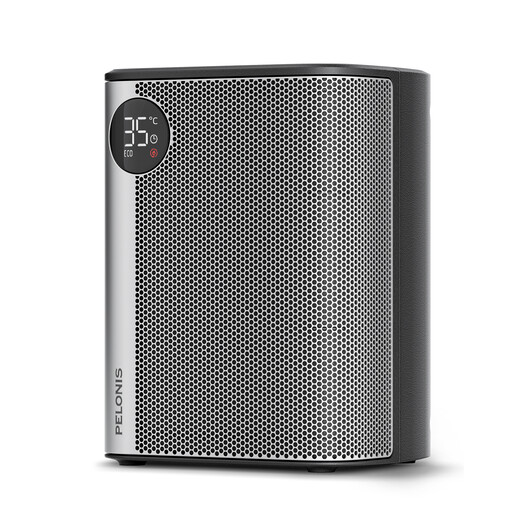
What makes it stand out: This model from PELONIS combines a high heating output of 2000 watts with smart energy-saving functions. The Smart ECO mode and the precisely adjustable thermostat enable on-demand and efficient heat regulation. Thanks to its quiet operation, this fan heater is also suitable for noise-sensitive environments.
Pros:
Best for: A great choice for users who want to heat larger spaces like living rooms, basements, or garages and value energy efficiency and quiet operation.
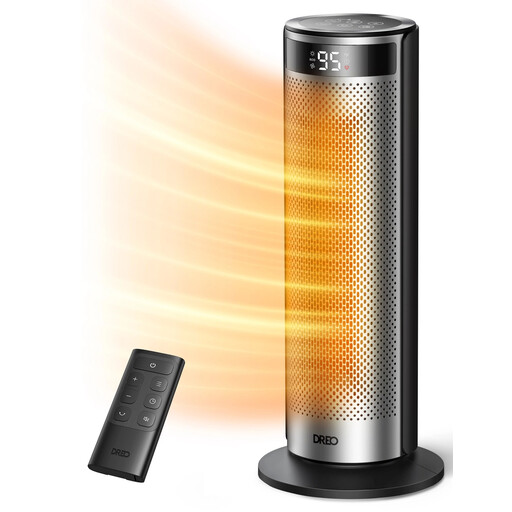
What makes it stand out: The DREO Solaris 628 is a tower heater designed for high performance and safety. According to the manufacturer, the device heats up in just two seconds thanks to its Hyperamic ceramic system. Particularly noteworthy is the 8-tier safety system, which includes a child lock and a special safety plug in addition to tip-over and overheat protection. With an operating noise level of just 34 dB, it is also an exceptionally quiet fan heater.
Pros:
Best for: Perfect for safety-conscious families and users who need a powerful yet extremely quiet heater for living rooms and bedrooms up to 25 m?.
If the featured models don't fully meet your requirements or if you are looking for other designs, you can find a wider selection of devices for different needs and room sizes in our Fan Heaters category.
1. How much electricity does a ceramic fan heater use? The power consumption depends on the set power level (in watts) and the duration of use. A 1500-watt device running for one hour at its highest setting consumes 1.5 kilowatt-hours (kWh). Models with a thermostat and ECO mode are significantly more energy-efficient as they only turn on when needed and adjust their power output.
2. Are ceramic fan heaters safe to operate? Yes, modern ceramic fan heaters are very safe when used correctly. When buying, be sure to look for certified safety features like automatic overheat protection and tip-over protection. Always place the device on a firm, level surface and keep flammable materials such as curtains or blankets away.
3. What is the advantage of a PTC fan heater?PTC fan heaters use ceramic heating elements with a positive temperature coefficient. This means they self-regulate their temperature and do not overheat as easily as traditional heating coils. They are more durable, more energy-efficient, and often distribute heat more evenly, making them a popular choice for portable heaters.