What should you look for when buying one?
First, work out whether you need short-term warmth where you’re sitting or need to tackle an ongoing problem with cold walls or damp. Then compare the running costs, space required and noise level of the specific model.
Portable ceramic fan heater
Suitable if: You only use a small room occasionally and want quick warmth where you’re sitting.
Consider: The heater uses electricity, and warm air in the room doesn’t tell you whether a cold or damp wall is dry.
Existing room heating and damp management
Suitable if: The room is occupied regularly, or damp or mould appears on cold external walls.
Consider: This may not provide instant warm air where you’re sitting; persistent damp may need to be investigated. The Verbraucherzentrale and the Federal Environment Agency recommend heating and ventilating sufficiently.
Small heater for personal warmth
Suitable if: You want warmth specifically at your desk and don’t need to heat the whole room.
Consider: The Verbraucherzentrale says small plug-in fan heaters are not suitable as an alternative to heating an entire room.
| Your concern |
What to check when buying |
Who should consider this? |
| Cold walls and damp |
Keep an eye on humidity and visible damp; a thermostat is no substitute for ventilation or investigating the cause of a persistent problem. |
If a cold external wall or damp is the real problem, I don’t want to just warm the air – I want to find the right solution. That’s why around 28% of consumers put cold walls and damp first. |
| Ongoing electricity costs |
Power in kW × hours of use × your electricity price per kWh; thermostat breaks affect the actual running time. |
If I plan to use the fan heater frequently, I want to estimate the cost based on my tariff and intended running time. Around 22% of consumers prioritise their electricity budget. |
| Extra warmth for short periods |
Compare the heat settings and thermostat with the warmth you need where you’re sitting; very small desk heaters aren’t necessarily suitable for an entire room. |
If I only need warmth at my seat from time to time, what matters to me is how it works there, rather than heating the whole flat. Around 22% of consumers put short periods of warmth first. |
| A safe place to position it |
Check the clearances and positioning instructions; if there’s a risk of it being knocked over, look for a stated tip-over switch and overheat protection. |
If the only available spot in my small flat is tight or likely to be knocked, the heater needs to stand there safely. Around 17% of consumers prioritise safe positioning. |
| Noise while working or relaxing |
Check the noise levels for the heat setting you want, and make sure the measurements were taken under comparable conditions. |
If I’m sensitive to noise while working or relaxing, the fan’s noise is an important factor in my choice. Around 11% of consumers put quiet operation first. |
Ceramic fan heaters at Joybuy
This selection includes portable ceramic fan heaters for occasional extra warmth. When choosing one, check that its heat settings, intended location and safety information are right for your room.
 No product image available
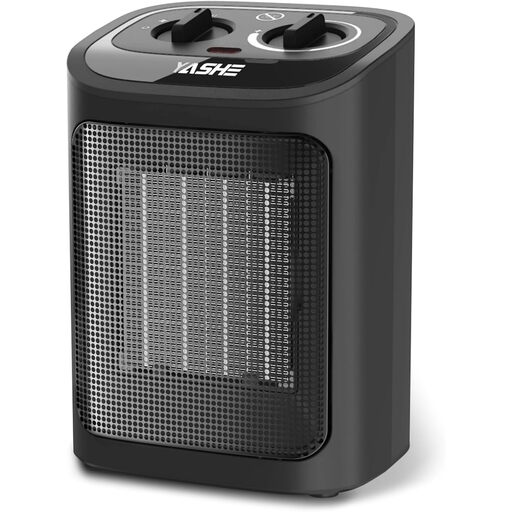
YASHE PTC-919 ceramic fan heater, 1.500 W
For occasional extra warmth where you need it; the product name lists three heat settings, an Eco mode, overheat protection and tip-over protection.
The description suggests using it on a desk, bedside table or work surface. This doesn’t mean it’s suitable for heating an entire room or keeping cold walls warm over long periods.
Buy at Joybuy
 No product image available
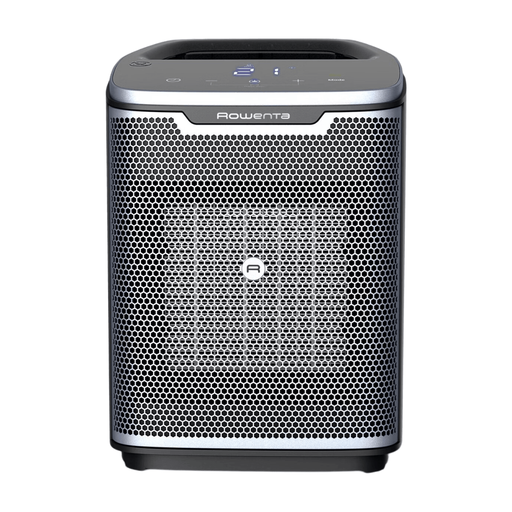
Rowenta SO9360 ceramic fan heater, IP20
Described as providing extra warmth indoors; the product name lists IP20 and tabletop or floor-standing use.
The safety instructions rule out use in bathrooms, near water and outdoors, and specify a clearance of at least one metre from flammable materials.
Buy at Joybuy
 No product image available
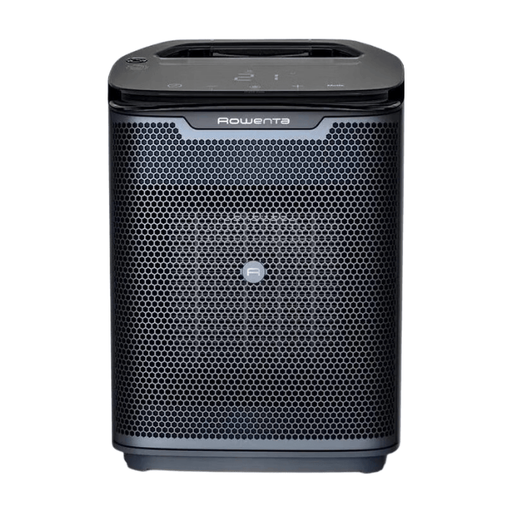
Rowenta Intense Comfort Aqua SO9380F0, IP21
For occasional warmth indoors; the product name lists 2.000 W and four heat settings.
Despite “Aqua” in the name, the safety instructions prohibit use in bathrooms, near water or outdoors. They also specify a clearance of one metre from flammable materials.
Buy at Joybuy
 No product image available
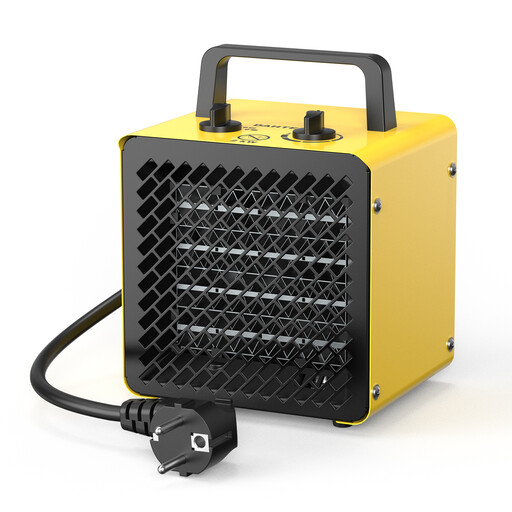
DAHTEC PTC ceramic fan heater, 2.000 W, yellow
For targeted extra warmth in small rooms; the product name lists PTC ceramic technology and 2.000 W.
The description presents it as a source of extra warmth. It doesn’t show that the heater can solve a cold-wall or damp problem.
Buy at Joybuy
 No product image available
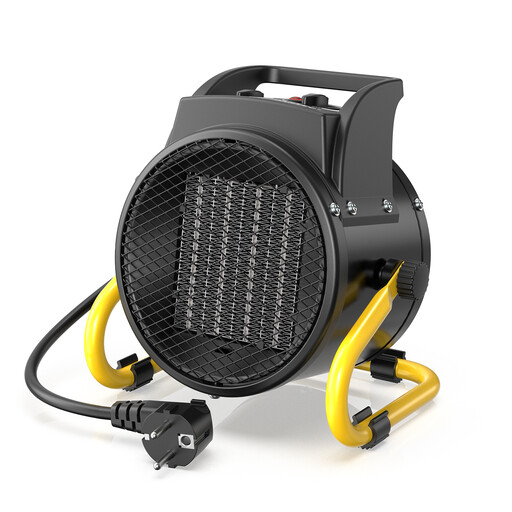
DAHTEC ceramic fan heater, 2.000 W, black
For occasional extra warmth; the product name lists a thermostat and two heat settings of 1.000 and 2.000 W.
The description recommends using it in well-sealed areas. This doesn’t replace investigating the cause if cold walls or damp continue to cause problems.
Buy at Joybuy
Frequently asked questions
Can a ceramic fan heater get rid of cold, damp walls or mould?
No, not on its own. Heating sufficiently and removing moisture can help prevent problems; if mould is already present or a wall remains damp, the cause needs to be investigated. The Verbraucherzentrale and the Federal Environment Agency offer advice on heating, ventilation and damp on external walls.
How do I calculate the electricity costs of a fan heater?
Multiply the power of the setting you actually use, in kW, by the running time in hours and your electricity price per kWh. At 2 kW for one hour, the calculated consumption is 2 kWh; thermostat breaks affect how long the heater is actually switched on.
What should I bear in mind when positioning and cleaning it?
Keep flammable items and deep-pile rugs away from the heater, and don’t use it if the cable is damaged. Before cleaning, switch it off, unplug it and let it cool down; the instructions for your specific model will explain what to do next.
Which product details matter when buying in Germany?
For new mains-powered appliances covered by the 1. ProdSV, the manufacturer must meet the relevant requirements, including CE marking, and provide instructions and safety information in German. CE marking is a manufacturer’s declaration, not an independent quality mark. For local space heaters covered by Regulation (EU) 2024/1103, the relevant ecodesign requirements have applied since 1 July 2025; check whether they apply to the specific appliance and whether it meets them.


