What should you look for when buying?
First, check whether the heater can be used safely where you intend to place it. Then consider whether its heat output, running time and noise level suit your needs. The IFS recommends following the clearance requirements in the relevant manual.
| What matters |
What to check when buying |
Who will find this particularly important? |
| A safe place to position the heater |
Check the manufacturer’s clearance requirements, make sure the heater stands securely and keep the air outlet clear. If it could be exposed to splashes, check the stated IP rating. |
If I want to place the heater in an occupied room near furniture or textiles, I need a suitable, clear space for it. Around 33% of consumers prioritise a safe location. |
| Heating the room |
Consider the rated power and heat settings of the specific model. Claims for other rooms don’t guarantee a particular temperature in a glazed conservatory. |
I want to warm the small room while I’m using it, not just the air directly in front of the heater. Around 27% of consumers prioritise having enough warmth throughout the room. |
| Ongoing electricity costs |
Consider the power consumption and actual hours of use; the thermostat can affect how long the heater runs. Ceramic technology alone is no proof of lower costs. |
If I plan to use the fan heater often or for long periods, I care about its electricity consumption over the full running time. Around 27% of consumers prioritise predictable running costs. |
| Noise and heat distribution |
Check the noise information and operating setting for the specific model. The oscillation function and the space needed for movement must suit where you plan to position it. |
When I’m reading or working, I don’t want to be disturbed by constant fan noise, but I still want the warmth to reach my seat. Around 13% of consumers prioritise quiet operation and heat distribution. |
Joybuy models for occasional warmth in the conservatory
The following Joybuy models are ceramic fan heaters for occasional use; their power ratings and features apply to each specific product.
 No image available
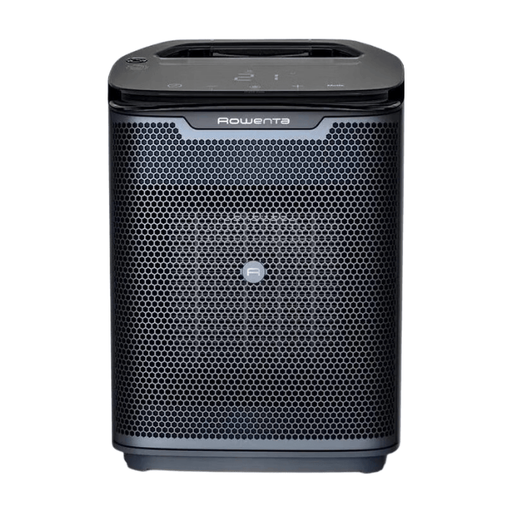
Rowenta Intense Comfort Aqua SO9380F0
The tabletop or console-style design may suit a fixed position. IP21 is stated in the product name; according to the product information, do not use it in a bathroom, near water sources or outdoors.
Before positioning the heater, check the manual, clearance requirements and whether it is suitable for the specific location.
View at Joybuy
 No image available
OmniHeat 1,800 W ceramic space heater
The product name lists four heat modes, an adjustable thermostat from 5–35 °C, oscillation and a 24-hour timer. Check whether these features suit the way you plan to use it.
According to the product information, do not use it near water or leave it unattended while it is running.
View at Joybuy
 No image available
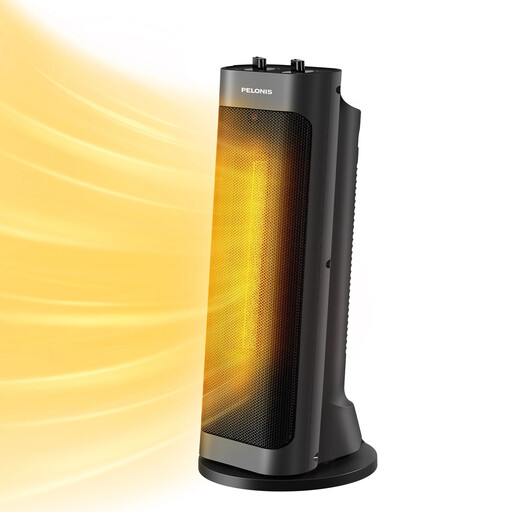
PELONIS 2,000 W PTC ceramic fan heater
The product name lists 70° oscillation and a heating area of up to 15 m². This area figure does not guarantee a particular temperature in a glazed room.
The product guidance specifies a clearance of at least 1 m between the air outlet and flammable materials. If people in the room cannot leave the area unaided, the safety instructions require constant supervision.
View at Joybuy
 No image available
DREO Atom 416, 1,500 W ceramic fan heater
The product name lists 1,500 W and a 12-hour timer. These features may be relevant when choosing a heater for occasional use; whether it provides enough warmth for your conservatory depends on the room and how you use it.
Before using the heater, check the manual and make sure the intended position is suitable.
View at Joybuy
 No image available
DREO Solaris 628, 2,000 W PTC ceramic fan heater
The product name lists 70° oscillation and a 12-hour timer. Check that the oscillation range will remain clear in the intended position and that the features suit your needs.
A single power rating or the oscillation function cannot guarantee a particular room temperature.
View at Joybuy
Frequently asked questions about ceramic fan heaters in conservatories
Will 1,800 or 2,000 W definitely be enough for my conservatory?
The wattage alone can’t tell you what room temperature the heater will achieve. Consider the room size, glazing, insulation, starting temperature and how long you plan to use it. Claims for other rooms may not apply. An adjustable heater may suit occasional supplementary use, but if you need heat for longer periods, you should review your overall heating solution.
Can I leave the fan heater on when I leave the room?
The Institute for Loss Prevention and Loss Research recommends not leaving fan heaters unattended. Follow the clearances in the manual, don’t cover the heater and keep the airflow clear of flammable objects. Tip-over protection is no substitute for taking these precautions.
How can I estimate electricity consumption?
Multiply the power in kilowatts by the actual number of hours the heater is on to calculate consumption in kilowatt hours. At 2 kW, one hour of continuous heating uses 2 kWh; a thermostat may change the actual time the heater is switched on. To work out the running cost, you’ll also need your own electricity tariff.
What should I consider if my conservatory is damp?
If the heater’s position could be exposed to splashes, check the stated IP rating and whether the specific heater is approved for that use before operating it there. IP20 does not provide stated protection against splashes. Proper ventilation is still important; heating more won’t replace ventilating damp air.
Does an electric fan heater need an EU energy label?
The EU energy-labelling rules for certain local space heaters described by the European Commission do not apply to electric heaters. Since 1 July 2025, electric local space heaters covered by the rules have been subject to ecodesign requirements under Regulation (EU) 2024/1103. Correct CE marking is one of the relevant EU requirements, but it is not an independent quality mark.


