
Lieferung heute & morgen

Qualitätsgarantie

Willkommens-Angebote freischalten: KOSTENLOSE Lieferung | Bis zu 80 % RABATT | Kostenlose 30-Tage-JoyPlus-Testphase
App herunterladen
Purchasing a new ceramic hob seems straightforward at first glance. But behind the smooth, black surface lie technical details that can make the difference between years of satisfaction and daily frustration. Many buyers fall into avoidable traps, lured by marketing buzzwords or an appealing design, only to discover after installation that the model they chose doesn't suit their kitchen or cooking habits.
As your Joybuy Product Recommendation Officer, I'm here to help you navigate these pitfalls. We'll focus on the facts that truly matter, so you can make an informed decision and find a glass-ceramic hob that reliably serves its purpose.
Before we dive into the important features, let's look at the most common sources of error that lead to frustration and unexpected costs.
To avoid the traps mentioned above, you should carefully check three core aspects before buying. These determine the functionality, safety, and compatibility of your new hob.
Before you buy, precisely measure the existing cutout in your countertop. While the standard width for a 60cm built-in hob is standardised, the depth and exact cutout dimensions can vary.
Modern ceramic hobs offer important safety mechanisms that households with children, in particular, should not go without.
With a hob with touch controls, it's advisable to look for an intuitive layout and good sensor responsiveness. Slider controls or direct power level selection are often more practical than repeatedly pressing "+" or "-".
The longevity of your glass-ceramic hob also depends on proper use and care.
Here are some product recommendations tailored to specific needs and kitchen sizes.

Why This Fits Their Persona: Ideal for compact kitchenettes, student apartments, or as an auxiliary hob. The two zones with a total output of 3000 watts are perfectly sufficient for the daily needs of one to two people.
Bypasses the connection trap as it comes with a VDE plug for a standard 230V socket. No electrician costs, simple plug-and-play installation.
Offers essential safety features like a child lock and residual heat indicator. The 9 power levels allow for precise temperature control.
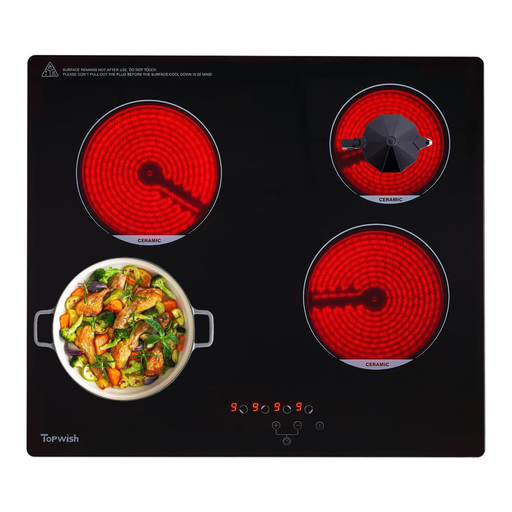
Why This Fits Their Persona: At 60cm wide, it fits into most standard kitchens. Four cooking zones, including two flexible dual-ring zones, provide enough space and power to cook for the whole family with ease.
Focuses on field-tested safety features (child lock, timer, residual heat indicator) instead of unnecessary gimmicks. The touch control is clearly structured and responsive.
High total power of 6600W for rapid heating. The expandable cooking zones adapt flexibly to large roasting pans or small pots.
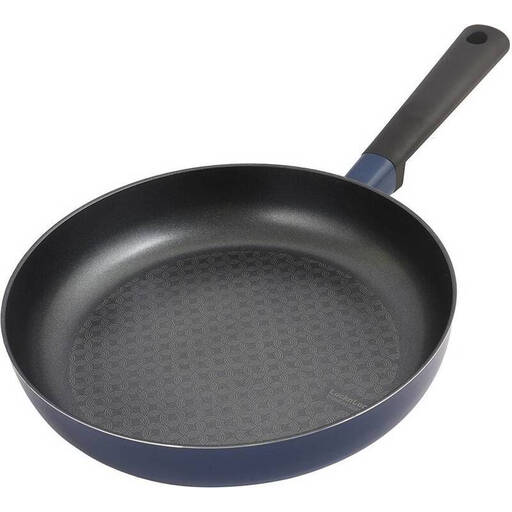
Why This Fits Their Persona: For anyone who wants to get the most out of their new or existing ceramic hob and maintain it properly. The right cookware and cleaning tools are crucial for the longevity of the surface.
Prevents the trap of poor cleanability. The pan's smooth ceramic coating makes cooking and cleanup easier, while replacement blades for the hob scraper prevent scratches from improper cleaning methods.
The pan is suitable for all hob types, including ceramic and induction. The robust ceramic coating ensures easy cleaning and durability.
We've compiled a complete, up-to-date list of products that meet these strict selection criteria and German safety standards.
Can I install a ceramic hob myself? That depends on the model. A self-sufficient dual-zone ceramic hob with a power rating under 3,500 watts and a standard plug can usually be installed by yourself. A hardwired 60cm built-in hob with a high-voltage connection (400V) must be installed by a qualified electrician for safety and insurance reasons.
Which pan is best for a ceramic hob? The ideal pan for a ceramic hob has a thick, completely flat, and smooth base to ensure optimal heat transfer and prevent scratches. Materials like stainless steel, enamelled cast iron, or aluminium with a special coating and a ferromagnetic base (important for induction, but also good for ceramic) are excellent choices.
How do you clean a glass-ceramic hob correctly? Let the hob cool down after use until the residual heat indicator turns off. Remove loose debris with a damp cloth. For burnt-on residues, apply a special ceramic hob cleaner and use a ceramic hob scraper at a flat angle. Afterwards, wipe with a clean, damp cloth and dry the surface. Be sure to avoid abrasive cleaners, steel wool, or scratchy sponges.