
Lieferung heute & morgen

Qualitätsgarantie

Willkommens-Angebote freischalten: KOSTENLOSE Lieferung | Bis zu 80 % RABATT | Kostenlose 30-Tage-JoyPlus-Testphase
App herunterladen
A ceramic knife set promises a revolution in the kitchen: extreme sharpness that lasts for years, a feather-light feel in your hand, and a hygienic, taste-neutral blade. But the market is flooded with products of widely varying quality. An uninformed purchase risks wasting money on knives that chip or break after only a short time.
As your Joybuy Product Recommendation Officer, I'll help you identify the key quality indicators. We'll explore the three most common pitfalls when buying and show you what to look for to find a durable and high-performance set.
Before you invest, you should be aware of the typical problems that occur with low-quality ceramic knives.
To avoid these pitfalls, focus on these three verifiable criteria.
The quality of a ceramic knife lives and dies by its material. Look for knives made from high-density zirconia ceramic. A high-quality zirconia ceramic knife is created through a complex process:
These manufacturing methods are an indicator of a robust and durable blade that is less prone to chipping.
A ceramic knife is inherently sharp, but the quality of the grind determines how long that sharpness lasts and how precise the cuts are. A hallmark of high quality is a hand-polished, vertical grind that creates an extremely thin cutting edge (e.g., ≤0.04 mm). Such a blade glides effortlessly through fruits, vegetables, and boneless meat without tearing the cell structure. This preserves the freshness and flavour of the food. Additionally, zirconia ceramic is naturally a rust-proof knife set and resistant to acids and alkalis.
A knife must feel good in your hand. Pay attention to the handle material and the overall balance. Handles made of TPR (Thermoplastic Rubber) offer a secure and comfortable grip, even with wet hands. A lightweight chef's knife reduces strain during extended cutting tasks, but it should still be balanced so that the blade tip doesn't drop uncontrollably. A well-balanced knife allows for precise and safe guidance.
Here are some recommendations tailored to specific user profiles that meet the quality criteria mentioned above.
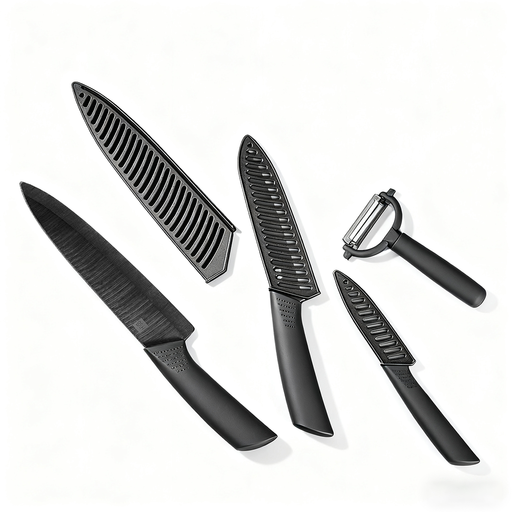
Why This Fits Their Persona: Ideal for users who process a lot of fresh fruits and vegetables. The non-porous zirconia ceramic blade prevents the transfer of odours and flavours, making it perfect for hygienic preparation. The set covers all basic cutting tasks with a chef's knife, utility knife, fruit knife, and peeler.
The blades are made from high-density zirconia ceramic, sintered at 2000°C. This ensures high fracture resistance and bypasses the pitfall of inferior materials. The ergonomic TPR handles guarantee safe handling.
Long-lasting sharpness that makes frequent resharpening unnecessary (knives that don't need sharpening for a long time). Absolutely rust-proof and taste-neutral.
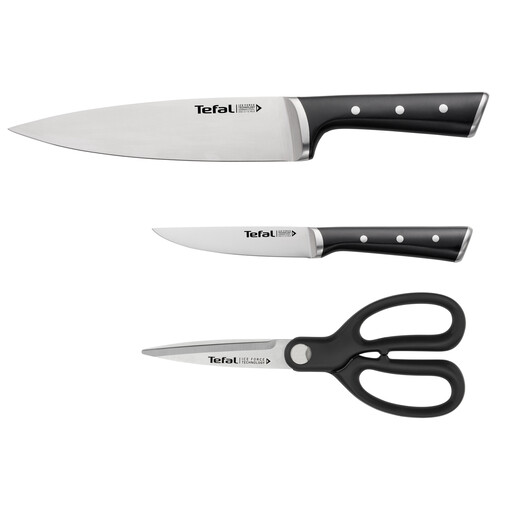
Why This Fits Their Persona: For users who prefer the robustness of steel but don't want to compromise on long-lasting sharpness. This set, made of German stainless steel, is a reliable all-purpose tool for daily kitchen tasks, including a practical pair of kitchen shears.
This set sidesteps the brittleness pitfall of ceramic knives by using robust stainless steel. The Ice Force technology, where the blade is cooled to -120°C, aims to ensure long-lasting sharpness.
High resilience and durability. According to the manufacturer, Tefal offers a 10-year warranty on the blades, which builds confidence in the material quality.
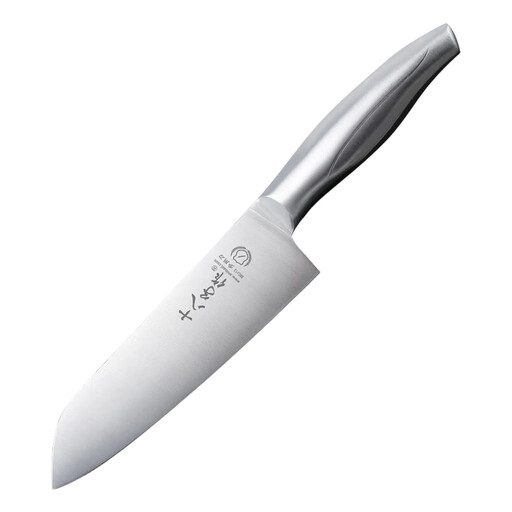
Why This Fits Their Persona: Perfect for anyone looking for a single, reliable, and sharp knife for everyday tasks without having to invest in a full set. This multi-purpose knife focuses on the core function: clean and efficient cutting.
As a classic stainless steel knife, it bypasses the specific pitfalls of ceramic. It's a straightforward, functional choice that offers solid basic performance without the risk of a brittle material.
Excellent value for money for a versatile single knife. The robust stainless steel construction makes it a durable tool for daily use.
We have compiled a complete, up-to-date list of products that fully meet these strict selection criteria and German safety regulations.
Proper care is crucial for longevity. Always wash ceramic knives by hand with a mild detergent and warm water; they are not dishwasher-safe. Dry them immediately. Only use cutting boards made of wood or plastic. Hard surfaces like glass, stone, or ceramic plates can damage the blade. Avoid prying, twisting, or cutting through bones and frozen foods.
Yes, ceramic blades are brittle and can chip or break if dropped on a hard floor or used improperly. High-density zirconia ceramic is more resilient but not indestructible. However, they are very safe for food preparation. The material is non-porous, does not absorb odours, and is chemically inert, meaning no substances are transferred to the food.
That depends on the application. For precisely cutting fruits, vegetables, and boneless meat, ceramic knives are often superior due to their long-lasting sharpness and light weight. For heavy-duty tasks like chopping bones or cutting very hard foods, a robust steel knife remains the better choice. Many kitchens benefit from having both types of knives on hand for their respective strengths.