
Lieferung heute & morgen

Qualitätsgarantie

Willkommens-Angebote freischalten: KOSTENLOSE Lieferung | Bis zu 80 % RABATT | Kostenlose 30-Tage-JoyPlus-Testphase
App herunterladen
A ceramic mug can often look much like the next one in product images. However, differences become apparent in everyday use: the handle may be too small, the capacity may not suit your coffee machine, or the glaze may be sensitive to incorrect cleaning. If you choose based solely on colour and price, you may end up with a mug that is barely used after a short time.
This buying guide explains which details matter before purchasing a coffee mug, tea cup or ceramic mug, and which models suit different usage profiles.
A specification such as 300 ml, 350 ml or 370 ml usually describes the maximum capacity. If the mug is filled to the brim, there is little room to carry it safely. For coffee or tea in the office, the number of millilitres is therefore not the only important factor; the shape and height of the vessel also matter.
Not every ceramic mug is automatically suitable for the dishwasher or microwave. Some product descriptions omit this information or merely present it as an assumption. Buyers should therefore check the specific manufacturer’s information on the product page. A dishwasher-safe mug saves time in everyday life, while a microwave-safe mug is practical for reheating. However, it should not be heated when empty or for extended periods at high power.
An unusual handle, a matt glaze or a decorative shape can change the user experience. For example, a wooden handle may require different care from a fully ceramic handle. With a mug with a handle, the grip width, wall thickness and weight are also crucial. Damaged or chipped ceramic should not be used further.
Ceramic and stoneware are common choices for everyday use and can feature a range of different glazes. A smooth glaze makes cleaning easier, while matt surfaces may be more sensitive to abrasive cleaning products, depending on their finish.
A porcelain cup often has a more delicate appearance and is also suitable for formal table settings. According to the product description, the Secret de Gourmet MUG S X1 SIA 21CL is made from fine porcelain and includes six white cups, each with a capacity of 210 ml. For visible layers in drinks or double-walled insulation, a glass cup may be an appealing option. However, glass is prone to breaking and many models must not be exposed to sudden changes in temperature.
Actual suitability also depends on the opening, base and weight. A 350 ml mug may be suitable for a latte, while a compact 300 ml coffee mug may fit better beneath certain coffee machines.
Every mug should be cleaned before first use. The following points are important for ceramic products:
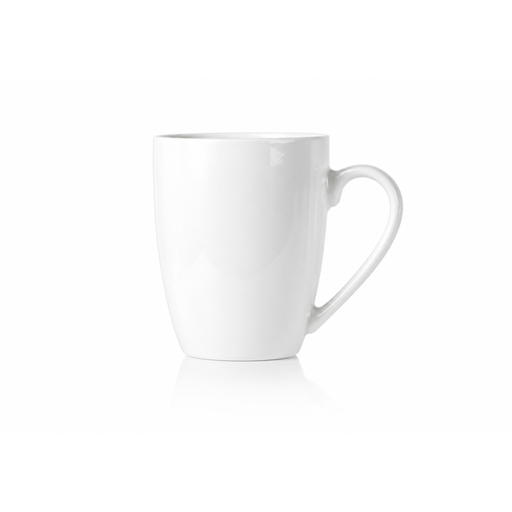
Why this product suits the profile: This single white ceramic mug with a 330 ml capacity is suitable for coffee, tea or warm milk, and can be used at home or in the office.
The product description clearly states the capacity, material and suitability for the dishwasher and microwave.
330 ml capacity, glossy white surface, curved handle and single-unit packaging.
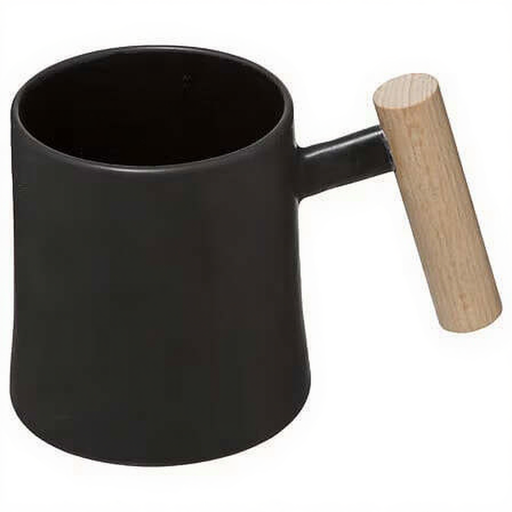
Why this product suits the profile: The ceramic body with wooden handle combines a pared-back look with a capacity suitable for larger amounts of coffee and tea.
The specifications state the 370 ml capacity and suitability for hot and cold drinks, the dishwasher and the microwave.
370 ml capacity, ceramic body and distinctive wooden handle.
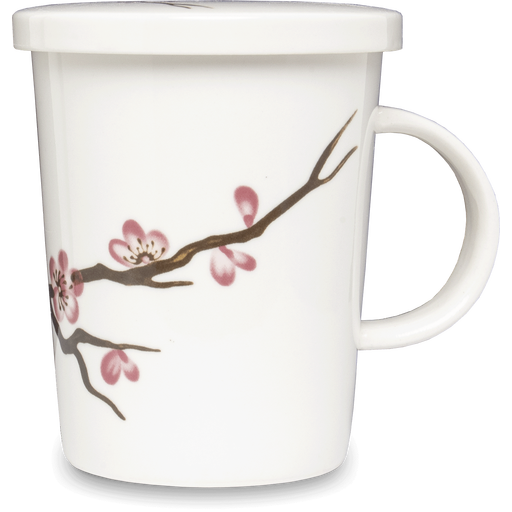
Why this product suits the profile: This tea cup with lid and porcelain filter is designed for users who want to brew loose tea leaves directly in the vessel.
The construction is clearly described: approximately 300 ml, with a filter and lid. It is also expressly stated that the mug is not microwave-safe.
Integrated porcelain filter, lid and capacity of approximately 300 ml.
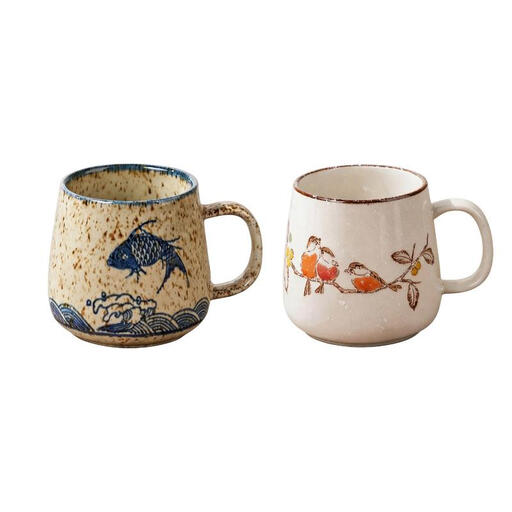
Why this product suits the profile: The set contains two ceramic mugs, each with a capacity of 380 ml, making it suitable for couples, guests or regular office use.
The number of pieces and the capacity per mug are specified. For care requirements, the specific shop information should be checked again before purchase.
Set of 2, 380 ml per mug, ceramic material and pared-back design.
We have put together a complete, regularly updated list of products that fully meet these strict selection criteria and the safety regulations applicable in the EU.
For a standard serving, 245 to 300 ml is often sufficient. If you prefer milky coffee, a latte or a large cup of tea, you can choose 325 to 400 ml. The key considerations are whether the mug fits beneath your coffee machine and whether it can be carried safely when full.
Its lifespan depends on the glaze, wall thickness, frequency of use and care. Impacts, scratches from metal and sudden changes in temperature can damage ceramic. Cracks or chips are a reason to replace the mug.
No. Suitability must be stated in the relevant product description. Even when a mug is labelled microwave-safe, it should not be heated while empty. The mug itself may be hot after heating.