
Lieferung heute & morgen

Qualitätsgarantie

Willkommens-Angebote freischalten: KOSTENLOSE Lieferung | Bis zu 80 % RABATT | Kostenlose 30-Tage-JoyPlus-Testphase
App herunterladen
Choosing the right planter is crucial for a room's overall impact. A ceramic vessel can be more than just a container for plants; it's a standalone design object that enhances the aesthetic of your decor. However, given the vast array of shapes, colours, and sizes, finding the perfect model can be a challenge. This article presents a selection of ceramic planters and offers guidance to make your decision easier.
Before you decide on a model, a few basic considerations can help you find the right vessel for your needs.
Not all ceramics are created equal. Materials like dolomite or stoneware have different properties regarding weight and porosity. A glazed surface is waterproof and easy to clean, while an unglazed, porous surface can help regulate moisture. The surface texture also plays a significant role in the visual appeal. A ribbed vase, for example, creates a dynamic effect with light and shadow, whereas smooth surfaces provide a calm, minimalist feel.
The proportions of the planter should complement both the plant and the room. A large ceramic flower pot is suitable for sprawling houseplants like a Monstera or a Bird of Paradise and can fill an empty corner as a floor planter. A small black vase, on the other hand, adds a subtle accent on a side table or shelf. Consider whether the vessel will be used for fresh cut flowers, as a vase for dried flowers, or as an indoor ceramic planter for a plant in a plastic pot. Unlike a plant pot, a planter (or cachepot) does not require a drainage hole.
The planter's design should harmonise with your interior style. A designer ceramic vase with a sculptural shape can act as a statement piece, even without any contents. Current colour trends like sage green bring a natural and calming touch to any room. A sage green decorative vase pairs well with wood tones and other natural materials, while classic colours like black or white are endlessly versatile.
Here you will find a curated selection of ceramic planters that stand out for their design and functionality.
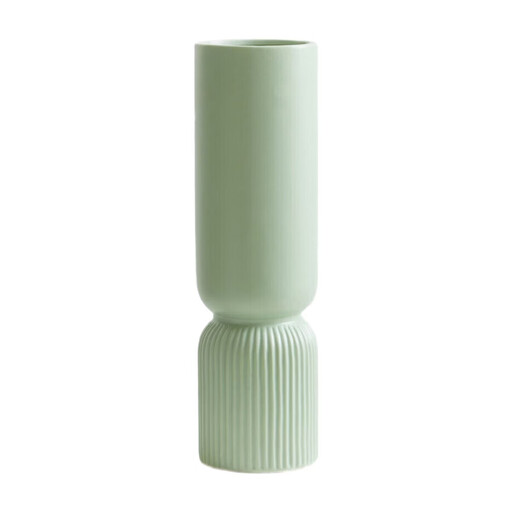
What makes it stand out This modern ceramic vase combines two different surface textures: the upper section is smooth and simple, while the lower, wider base features fine vertical ribbing. This contrast gives the vase a sculptural and sophisticated aesthetic. The sage green colour enhances its modern yet natural character.
Advantages
Who it's for This model is an excellent choice for those looking for a decorative statement piece. It works equally well as a vase for opulent floral arrangements or as a standalone decorative object in a contemporary living space.
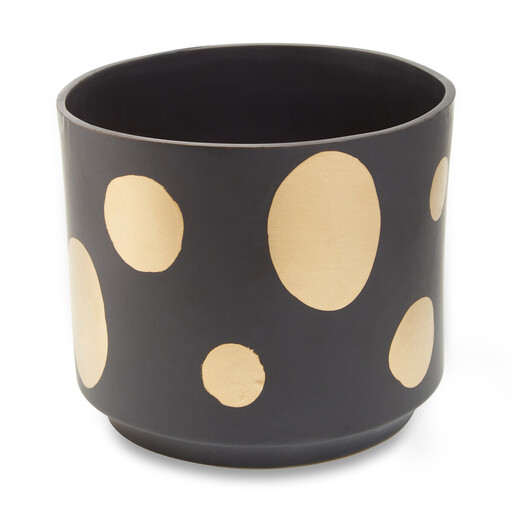
What makes it stand out The large Yuri ceramic planter impresses with its minimalist and clean design. The natural, stone-like colouring and simple cylindrical shape make it a versatile companion for a wide range of interior styles, from modern to rustic. It serves as a stylish cover pot for larger houseplants.
Advantages
Who it's for Ideal for plant lovers seeking a functional yet aesthetic indoor ceramic planter for their medium to large green plants. Its understated look puts the focus on the plant itself.
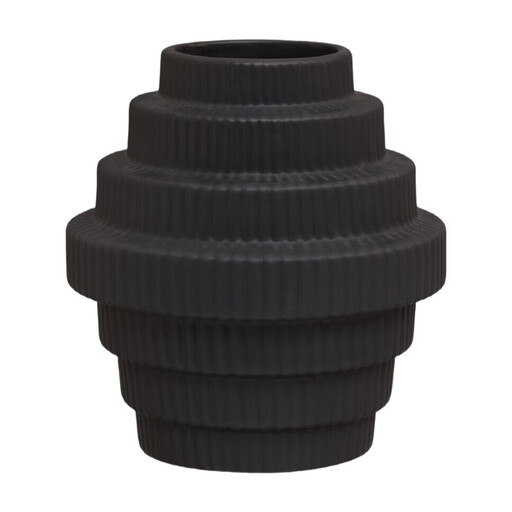
What makes it stand out The small Fabia vase catches the eye with its architectural stepped shape and continuous ribbed texture. The alternating wider and narrower levels create a striking silhouette. The matte black finish underscores the object's graphic and modern character.
Advantages
Who it's for This vessel is aimed at anyone looking for a small but expressive decorative element with a strong character. It's a fitting choice for modern and minimalist interiors where deliberate accents are desired.
Haven't found the right planter for your needs yet? If you're looking for other sizes, shapes, or colours, you can find an expanded selection in our main category.
Discover more models in the Floral Ceramics category here
Ceramic planters offer excellent stability for plants. Porous, unglazed ceramic can help regulate soil moisture because the material is breathable. Glazed ceramic pots retain moisture in the substrate for longer. Many of the models presented here are designed as planters (cachepots), which do not have direct contact with the soil and primarily serve a decorative function.
Cleaning is generally straightforward. For most ceramic surfaces, wiping with a soft, damp cloth is sufficient. For the products featured here, the manufacturer recommends avoiding abrasive cleaning agents to prevent damage to the surface.