What should you look for when choosing?
First, check that your cataloguing software runs on the laptop’s operating system, and consider whether you’ll mainly work in one place or alongside the objects themselves. You can then choose the screen size, storage capacity and ports to suit your workflow.
| What matters |
What to check before buying |
Who is this important to? |
| Checking duplicates safely |
Check whether the software can flag or filter potential duplicates first, and whether you can back up your data before making changes. |
When I check similar records, I want to compare photos and item numbers before deleting anything; around 36% of consumers put safe duplicate checking first. |
| Comparing photos and details |
Compare the screen size and the exact display specification. Estimate storage needs based on your own photo files; screen resolution alone doesn’t guarantee colour accuracy. |
When I distinguish similar pieces of ceramics using images and catalogue details, I need a suitable workspace; around 29% of consumers prioritise comparing photos. |
| Software and backups |
Check the system requirements of the software you actually use, and test how to export, back up and restore your catalog and photos. |
When I want to keep using my existing software and restore the catalog after data loss, a reliable process matters; around 21% of consumers put software compatibility and data security first. |
| Recording details beside the object |
Compare the dimensions, keyboard and ports of the exact model. Consider the screen size based on whether you need to view tables and photos at the same time. |
When I enter inventory numbers and observations in different rooms, a compact device matters more than having the largest possible workspace; around 14% of consumers prioritise cataloguing on the move. |
Joybuy products for cataloguing
The selection below focuses on a larger Windows laptop for mainly desk-based cataloguing with records and photos.
 No image available
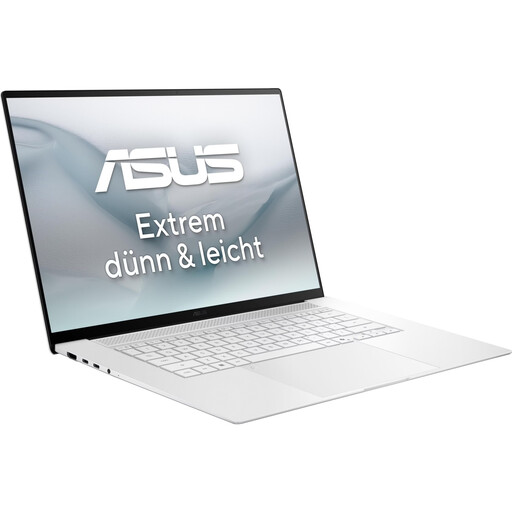
ASUS Zenbook S16 UM5606GA-SS335W, 16-inch, WQXGA OLED, Ryzen AI 9 465, 32 GB RAM, 1 TB SSD, Windows 11, without power adapter
The 16-inch display gives you the specified screen space to compare records and photos when mainly cataloguing at a desk.
16-inch WQXGA OLED; Ryzen AI 9 465; 32 GB RAM; 1 TB SSD; Windows 11 Home.
The listing is marked “Without power adapter”; a power adapter isn’t listed as included. Before buying, check whether you’ll need a compatible one.
View at Joybuy
Frequently asked questions
Should I delete duplicate catalog entries straight away?
No. First, flag or filter potential duplicates, then compare the item number, photo and object details. Microsoft Support points out that removing duplicate values permanently deletes data, while filtering only temporarily hides unique values. Make a copy before making changes: pieces of ceramics with similar descriptions may be different objects.
What details should I prepare for cataloguing?
Set clear item numbers and, alongside photos, record the details that matter for your collection, such as material, measurements, condition and location. The Bavarian State Office for Non-State Museums lists inventory numbers and location details as useful for identifying and finding objects. This describes good documentation practice, not a general legal requirement for private collectors.
Is it enough to store my catalog and photos only on my laptop’s SSD?
No, not if you want to protect against data loss. The German Federal Office for Information Security recommends backing up files you’ve created to an external device and stresses that you need to be able to restore them, too. Back up your catalog and its associated photos together, and test that you can restore them.
What rights do I have when buying a laptop online in Germany?
For a consumer buying standard goods online from a business, there is generally a 14-day cancellation period starting from delivery; exceptions and return costs may apply. If the goods are faulty, you have statutory rights against the seller for at least two years from receipt, regardless of any voluntary guarantee. Your Europe explains these rules for consumers in the EU.


