Who this type of laptop is for

Collectors who need custom object fields

If you want to record details such as material, technique or condition in fields you define yourself, first check that your chosen cataloguing software supports those fields and your laptop’s operating system.

Collectors who catalogue objects with photos

If you link object photos to catalogue entries, plan how you’ll back up and restore the records and images together. Some services require you to export attachments separately from the table data.

Those cataloguing objects in person

If you take your laptop to shelves or individual pieces, consider its weight and power supply. Also check whether your cataloguing software works without an internet connection where you plan to use it.

What to consider when choosing

Consideration What to check before buying Who will find this especially important?
Software and custom fields Test the field names and types you need in your chosen application. Check its operating system and browser requirements. If I need custom fields for material, technique or condition, my cataloguing software must support them. Around 28% of consumers prioritise software and fields.
Readability and longer data-entry sessions Check the screen and keyboard against your forms. If you have a fixed workstation, ports for an external keyboard, mouse or monitor may be important. When entering lots of records, I want to be able to read the forms clearly and fill them in comfortably for longer periods. Around 22% of consumers prioritise comfortable data entry over extended sessions.
Object photos and backups Estimate your storage needs based on your own photos. Test how to back up and restore entries and images. If my ceramics photos are part of my catalogue entries, I want to be able to back up and find both together. Around 22% of consumers prioritise photo archiving and data preservation.
Portability and offline work Check the weight and power supply of the exact configuration, as well as whether your application works offline where you’ll be cataloguing. If I’m cataloguing between shelves and objects, I need a device that’s easy to carry and an application I can use there. Around 17% of consumers prioritise working directly with objects.
Ports and what’s included Compare the ports on the exact model variant with the devices you already own. Check whether the required power adapter is included. If I want to keep using my existing monitors, storage devices or recording equipment, the ports and what’s included need to suit them. Around 11% of consumers prioritise using the equipment they already own.

Avoid common selection mistakes

  • Choosing the laptop before the cataloguing software

    Custom fields are set up in the application. Its operating system and offline requirements could affect which device is right for you.

    Start by creating a small test catalogue with the fields and photos you need. Then check that the application runs on your chosen operating system.

    Switching software or setting up the catalogue again later can take extra time and effort.

  • Assuming a CSV export is a complete backup of your photos

    According to Airtable’s documentation, attachments must be downloaded separately when exporting to CSV. An exported table alone therefore doesn’t cover the process for backing up images.

    Test a complete export and restore, including entries and images. The Federal Office for Information Security recommends making backups to protect against data loss.

    Downloading attachments separately and matching them to their records takes extra work.

  • Assuming the model name tells you what’s included

    The documented HP configuration AD2N3ET#ABD includes a power adapter; Dell’s listing for the Dell Pro 14 PC14250 does not. Similar-sounding model names don’t guarantee that the same items are included.

    Compare the full model name, ports and included items for the specific configuration.

    Depending on the listing, you may need to buy a power adapter or an additional adapter.

Brands and configurations to consider

HP

The HP ProBook 4 G1i 14 in configuration AD2N3ET#ABD is an example of a Windows laptop for working with forms in different locations.

  • HP lists Windows 11 Pro, 16 GB RAM, a 512-GB SSD and a 14-inch display with a resolution of 1920 × 1200 pixels for this configuration. A power adapter is included.
  • These specifications don’t confirm compatibility with any particular cataloguing software. Also check that this exact model variant meets your needs.

Lenovo

The ThinkPad E14 Gen 7 (Intel), variant 21SX003SGE, is a Windows laptop with a German keyboard and several ports.

  • Lenovo lists a matte 14-inch screen and USB-A, USB-C, HDMI and Ethernet ports for this variant.
  • The listed 32 GB RAM and 1 TB SSD are specifications for this variant, not a proven minimum requirement for a ceramics catalogue. Check the configuration you want.

Dell

The Dell Pro 14 PC14250 is a Windows option for entering data at a desk or in different work locations.

  • For the stated base configuration, Dell lists Windows 11 Pro, 16 GB RAM, a 512-GB SSD and a 14-inch IPS display with a resolution of 1920 × 1200 pixels.
  • The offer described does not include a power adapter. The PC14250 is not the same model as the Pro 14 Plus PB14250.

Apple

The 13-inch MacBook Air with M5 is worth considering if your chosen cataloguing software is compatible with macOS.

  • Apple documents variants with 16 GB of unified memory, a 512 GB SSD and two Thunderbolt 4 ports.
  • Check compatibility with the specific application you use. You may need an adapter for existing USB-A devices or monitors.

Joybuy products for cataloguing

This selection includes a Windows laptop for cataloguing with Windows-based software and locally stored data or photos.
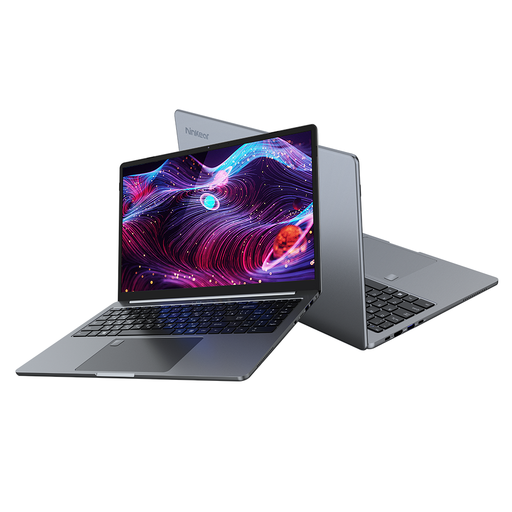
Ninkear A15 Pro laptop

Ninkear A15 Pro, 16 GB DDR4, 1 TB SSD

If your cataloguing software runs on Windows 11 and you want to store catalogue data or photos locally, the product title lists a 1 TB SSD.

The product title lists Windows 11, 16 GB DDR4 memory and a 1 TB SSD.

It also lists a 16-inch FHD-ISP display, a weight of 1.8 kg and a thickness of 20 mm.

Other specifications in the product title include fingerprint unlocking, Wi-Fi 6, Bluetooth 5.0 and 65 W fast charging.

View at Joybuy

Frequently asked questions

How can I check whether I can create custom fields?

Create a test record in your chosen software, using the fields you actually need. LibreOffice Base documents how to design tables and choose field types; Airtable documents its custom field types. Choosing a laptop alone won’t provide these features.

Can I catalogue objects on site without an internet connection?

That depends on the application you choose. According to its technical requirements, Airtable doesn’t support offline access. A CSV export is no substitute for offline editing; attachments must be downloaded separately when exporting. Test your intended workflow on site with a few sample objects first.

What should I back up when setting up and maintaining my catalogue?

Back up your catalogue data and object photos, then test the restore process using a sample object. The Federal Office for Information Security recommends making backups to protect against data loss. With Airtable, exported CSV tables and attachments must be downloaded separately.

What are my rights if my laptop develops a fault?

For a consumer purchase from a business seller in the EU, you have a legal guarantee of at least two years from the date you receive the goods. This EU rule doesn’t apply to purchases from private individuals. Any additional manufacturer’s guarantee is separate.

Does the GDPR matter when I catalogue my ceramics?

If you record information about identifiable people, such as owners or lenders, you should consider separately how you handle that data. Information about ceramic objects alone isn’t personal data simply by virtue of being recorded; choosing a laptop doesn’t in itself make your data protection practices compliant.