
Lieferung heute & morgen

Qualitätsgarantie

Willkommens-Angebote freischalten: KOSTENLOSE Lieferung | Bis zu 80 % RABATT | Kostenlose 30-Tage-JoyPlus-Testphase
App herunterladen
Dry, tight, or irritated skin can be a clear sign that your skin's natural protective barrier is compromised. A ceramide cream is often recommended as the solution, but the market can be overwhelming. Many products make bold claims, yet not every formula delivers on its promises. The wrong ingredient combinations or unsuitable textures often fail to produce the desired results.
This guide will help you avoid the most common pitfalls when shopping. We'll explain the objective criteria that matter, so you can make an informed decision and choose a moisturiser with ceramides that truly suits your skin's needs.
Before you make a purchase, you should be aware of two common issues that often lead to disappointment:
To find an effective ceramide skincare product, focus on the following technical specifications. These will help you objectively evaluate product quality.
The skin barrier isn't made of just one type of ceramide. It's a complex mosaic of different lipid types.
Ceramides rarely work in isolation. Their ability to repair the skin barrier is significantly enhanced by other ingredients.
A cream's base determines how it feels on the skin and how well it suits your specific skin type.
Based on the criteria above, we have identified several products suited for different profiles and needs.
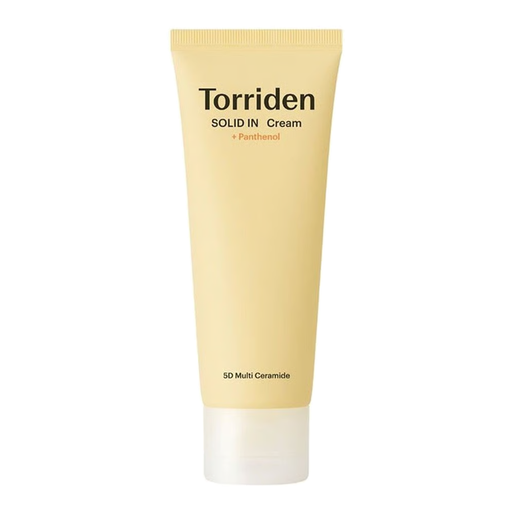
Why It's a Match: Ideal for users whose skin barrier is visibly compromised and who are looking for targeted, intensive repair care. The formulation is designed to comprehensively support the skin's lipid structure.
This product avoids the "ceramide" marketing trap by including what the manufacturer calls a 5D Ceramide Complex (Ceramide NP, NS, AS, EOP, AP). This indicates a sophisticated formulation that goes beyond a single active ingredient.
Combines a multi-ceramide approach with soothing ingredients like panthenol and allantoin. Its texture is designed to absorb without a sticky residue.
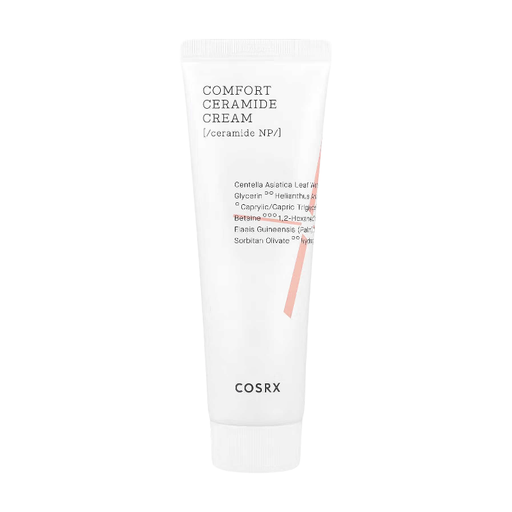
Why It's a Match: Suitable for those with sensitive skin prone to redness and irritation. The formula focuses on soothing and strengthening without overwhelming the skin.
Instead of a heavy, occlusive texture, this cream offers a balanced formulation. It combines Ceramide 3 (NP) with soothing Centella Asiatica Leaf Extract to both strengthen the barrier and calm irritation.
The combination of barrier-strengthening ceramides and skin-soothing plant extracts makes it an excellent choice for reactive skin types.
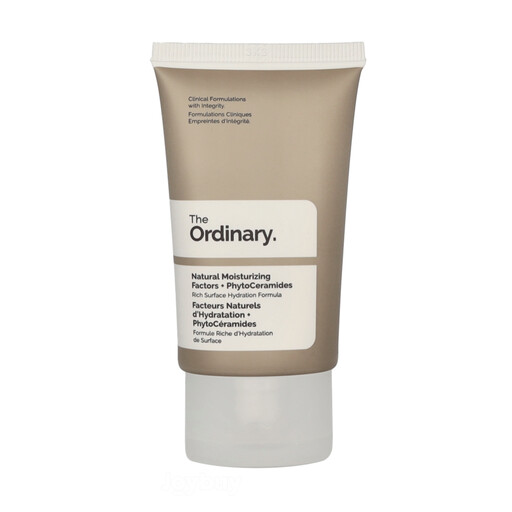
Why It's a Match: Formulated for users with very dry skin who need rich nourishment. The formula aims to supply the skin's surface with skin-identical humectants and lipids.
This product relies on a combination of PhytoCeramides (plant-derived ceramides) and Natural Moisturising Factors (NMF) like amino acids and hyaluronic acid. It offers a multi-dimensional approach to combating dryness.
The rich texture is specifically designed for dry skin, delivering both lipids (ceramides) to fortify the barrier and humectants (NMF, hyaluronic acid) for hydration.
We have compiled a complete, up-to-date list of products that meet these strict selection criteria and comply with current safety regulations.
Skin barrier regeneration is a process. While a good ceramide cream can provide immediate comfort and relief from dryness, structurally strengthening the barrier typically takes several weeks of consistent use. Results depend on individual factors like your skin's condition and the regularity of application.
Yes, you can. Many people with acne-prone skin also have a compromised skin barrier, often due to drying treatments. In this case, it's crucial to choose a non-comedogenic formulation. Lightweight gel-creams or lotions with ceramides are often more suitable than very rich, oil-based creams, as they are less likely to clog pores.
Both are key ingredients in skincare, but they have different functions. Hyaluronic acid is a humectant that can hold vast amounts of water, plumping the skin from within. Ceramides are lipids (fats) that act like the "mortar" between your skin cells. They strengthen the skin barrier and prevent the moisture bound by hyaluronic acid from escaping. A good moisturiser will often contain both.