
Lieferung heute & morgen

Qualitätsgarantie

Willkommens-Angebote freischalten: KOSTENLOSE Lieferung | Bis zu 80 % RABATT | Kostenlose 30-Tage-JoyPlus-Testphase
App herunterladen
Tightness, dryness, and a sensitive reaction to external factors—many people are familiar with the signs of a weakened skin barrier. A ceramide cream is often recommended as a solution, but the market is overwhelming. Not every product that advertises "ceramides" on its label delivers on its promise.
As your Joybuy Product Recommendation Officer, I'm here to help you navigate the marketing jungle. In this guide, I'll show you the most common pitfalls to avoid when buying and which objective criteria you should look for to make an informed decision for your skin.
Before you make a purchase, it's crucial to recognise common marketing traps that often lead to unsatisfying results.
To find an effective face cream with ceramides, focus on these verifiable parameters instead of marketing promises.
Look for products that contain a blend of different ceramide types. Formulations with multiple ceramides (e.g., Ceramide NP, AP, EOP) can better mimic the complex structure of the skin barrier than products with only a single type. These combinations are often an indicator of a thoughtfully designed formula aimed at strengthening the skin barrier.
A high-quality moisturiser for dry skin combines ceramides with other barrier-strengthening and hydrating active ingredients. Look for the following ingredients on the INCI list:
The choice of texture is crucial for application and how it feels on the skin.
Here are some product recommendations tailored to different user profiles and their specific requirements.
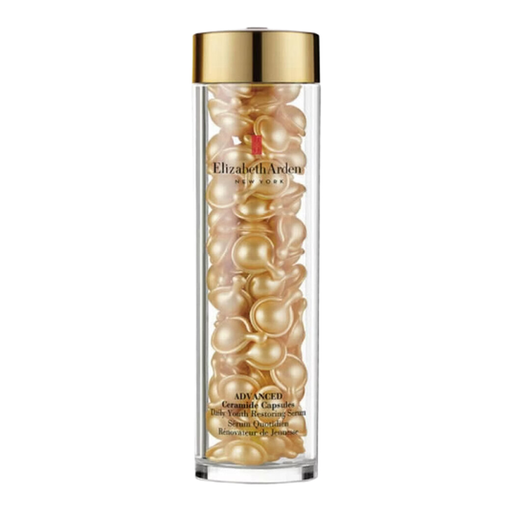
Why This Fits Their Persona: Perfect for users looking for a targeted and highly concentrated anti-aging solution. The single-dose capsules ensure precise application and protect the potent ingredients from oxidation.
This serum avoids the "ceramide content" fallacy with a formula that, according to the manufacturer, contains a blend of Ceramide 1, 3, and 6 II, as well as cholesterol and phytosphingosine, to specifically support the skin barrier.
Highly concentrated, encapsulated single doses for hygienic and precise application. The silky serum texture absorbs quickly, leaving the skin feeling smooth and supple.
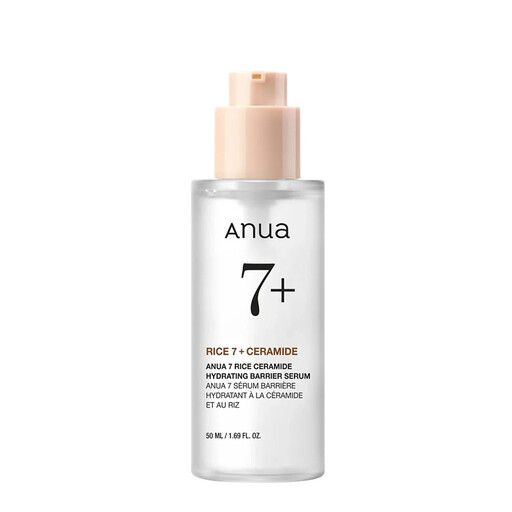
Why This Fits Their Persona: An excellent choice for individuals with combination or oily skin who want to strengthen their barrier without using a heavy cream. Also ideal for layering in a multi-step skincare routine.
This ceramide serum is clearly positioned as such, avoiding confusion. It combines Ceramide NP with hydrating rice water and soothing panthenol for lightweight yet effective care.
Very lightweight, fast-absorbing serum texture. The hypoallergenic formula is also designed for sensitive skin types and contains niacinamide to support skin balance.
We have compiled a complete, up-to-date list of products that fully meet these strict selection criteria and German safety regulations.
1. How long does it take for a ceramide cream to repair the skin barrier? The regeneration of the skin barrier is a process. While a good moisturiser can provide immediate relief from dryness, it typically takes several weeks (usually 3-6 weeks) of consistent daily use to see a noticeable and lasting strengthening of the skin barrier. Patience and consistency are key here.
2. Can I use a ceramide cream on acne-prone skin? Yes, the skin barrier can also be weakened in acne-prone skin, especially from the use of drying acne treatments. In this case, choosing the right texture is crucial. Opt for a lightweight, non-comedogenic ceramide serum or an oil-free lotion instead of a rich cream to avoid further clogging the pores.
3. What is the difference between a ceramide cream and a hyaluronic acid cream? Both ingredients are important for skin hydration, but they work differently. Hyaluronic acid is a humectant that attracts and binds water molecules from the environment into the skin to plump it up. Ceramides are lipids (fats) that form the "mortar" between skin cells. They strengthen the barrier and prevent the moisture bound by hyaluronic acid from escaping. Many modern formulations combine both active ingredients for a comprehensive effect.