
Lieferung heute & morgen

Qualitätsgarantie

Willkommens-Angebote freischalten: KOSTENLOSE Lieferung | Bis zu 80 % RABATT | Kostenlose 30-Tage-JoyPlus-Testphase
App herunterladen
A ceramide cream can be a worthwhile addition to your daily skincare routine when your skin feels dry, tight or rough. Ceramides are a natural component of the skin barrier and are often combined in cosmetic formulations with humectants such as glycerin, hyaluronic acid or urea.
However, choosing the right product isn’t simply a matter of reading the big promises on the packaging. What really matters is the intended use, the formulation, the texture and how you apply it correctly. The Joybuy Product Recommendation Officer selection highlights what shoppers in the UK should look out for.
Claims like “3 ceramides”, “5D-ceramides” or a specific ppm amount may sound impressive, but on their own they don’t tell you the full story about a product’s skincare performance. What also matters is which other ingredients are included and whether the cream suits your own skin.
Check the INCI list for things like:
A rich hand cream can feel too heavy on the face. Conversely, a light facial moisturiser may not be enough for very dry hands. A children’s cream with ceramides should be suitable for the intended age group and ideally have a straightforward formulation.
If you notice visible skin changes, open sores or persistent irritation, cosmetic skincare should never be used as a substitute for medical advice.
Even a barrier repair cream marketed as gentle can contain individual ingredients that not everyone tolerates. Always check the packaging before you buy, especially if you are sensitive to fragrance or have known allergies. A small patch test on an inconspicuous area of skin can be a good idea before applying it more widely.
In cosmetics, ceramides are usually combined with other skin-identical lipids. Formulas containing ceramides along with cholesterol or phytosphingosine are based on components of the natural skin barrier. That doesn’t mean every product works the same way, but it does give you a solid basis for comparison.
When looking at a face cream with ceramides, it’s also worth checking for panthenol, glycerin, squalane and hyaluronic acid. These ingredients are typically used to provide moisture and support a pleasant skin feel.
An intensive moisturiser doesn’t have to be greasy. What matters is whether the texture is comfortable enough for regular use and doesn’t leave a sticky film.
For daily facial care, 50 to 100 ml is usually about right. A 30 ml pack is good for trying something new or for travel. For hand products or those for the whole family, a larger size can be more economical.
INCI lists, origin, responsible parties and usage instructions can change. Always check the details on the packaging you receive.
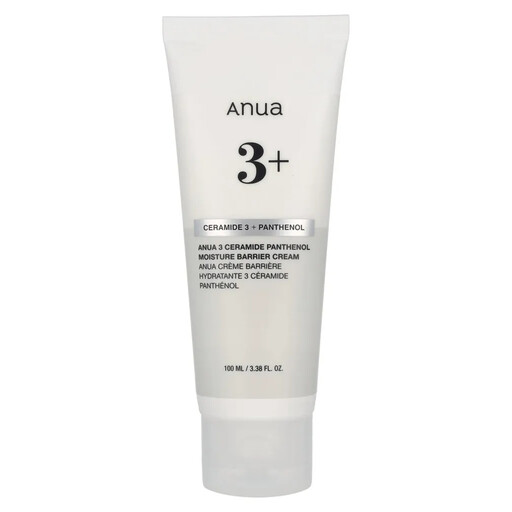
Why this product fits the profile: This 100 ml face cream combines ceramides with panthenol and is suitable, according to the product information, for dry, sensitive and normal skin. The light, fast-absorbing texture is designed for daily use.
The product description names specific ingredients and the intended facial area, rather than just making a vague promise of hydration.
100 ml size, panthenol, multiple ceramide types according to the product information, and a non-sticky texture.
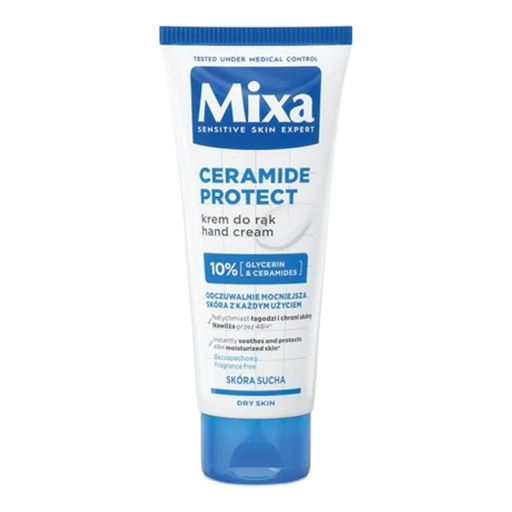
Why this product fits the profile: This hand cream with ceramides is designed for very dry and hard-working hands. Shea butter, glycerin, squalane and a fragrance-free formula make it ideal for frequent application after hand washing.
The designated hand care area prevents you from buying a face cream for a job it wasn’t intended for.
100 ml size, fragrance-free according to the product description, plus ceramide, squalane, shea butter and glycerin.
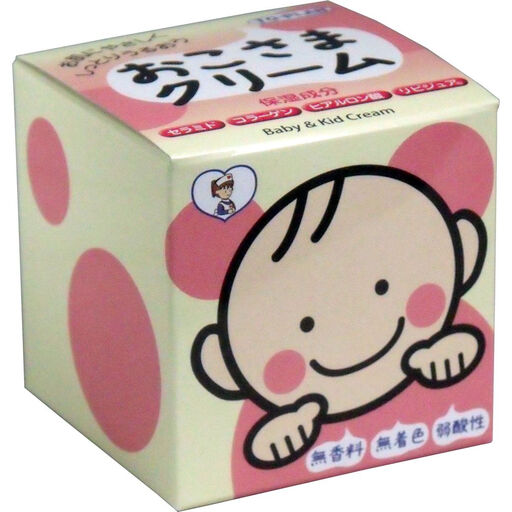
Why this product fits the profile: This children’s cream with ceramides is intended for both face and body, according to the product information. It is free from fragrances and colourants and has a mildly acidic formulation.
Face and body are listed as areas of use. This makes it easier for families to categorise than a purely specialised product.
110 g size, ceramides NP/AP/EOP, hyaluronic acid, and a fragrance-free and colourant-free formulation according to the product information.
Apply the cream after cleansing, onto slightly dry or still slightly damp skin. Start with a small amount. For facial care, the cream is usually the last step before sunscreen in the morning. In the evening, it can be the final step in your routine.
For very dry hands, apply after washing and massage it carefully into the knuckles, nail folds and between the fingers. Children’s products should be applied by an adult for younger children. If irritation, redness or itching occurs, stop using the product.
We’ve put together a full, regularly updated list of products that fully meet these strict selection criteria and the safety regulations in force in the EU.
It is mainly used for the daily care of dry, sensitive or dehydrated skin. As part of a cosmetic formulation, ceramides can help support the skin barrier. The cream does not replace medical treatment.
That depends on the product and how your skin feels. Face creams are often used morning and evening, while hand creams are also applied after washing your hands. Always follow the specific usage instructions on the packaging.
The best-before date and the symbol for shelf life after opening on the packaging are what you should go by. Always close the cream after each use and store it in a dry, cool place away from direct sunlight.