
Lieferung heute & morgen

Qualitätsgarantie

Willkommens-Angebote freischalten: KOSTENLOSE Lieferung | Bis zu 80 % RABATT | Kostenlose 30-Tage-JoyPlus-Testphase
App herunterladen
A healthy skin barrier is the key to resilient, healthy skin. When it's compromised, it often manifests as dryness, redness, sensitivity, or an uncomfortable feeling of tightness. A high-quality ceramide cream can provide targeted support. However, the market can be overwhelming, and many products don't live up to their claims. This guide will help you separate the wheat from the chaff and make an informed decision.
Before you invest, you should be aware of the typical marketing traps that often lead to disappointment and wasted money.
To make an effective choice, focus on these three crucial factors.
A high-performance formula contains not just a single ceramide, but a complex of multiple ceramide types (e.g., Ceramide NP, AP, EOP). This combination, often supplemented by the aforementioned lipids cholesterol and fatty acids, can most effectively support the skin's protective function. Products featuring such a synergistic complex generally offer a more comprehensive approach to strengthening the skin barrier.
Besides ceramides, other active ingredients play a vital role. A good moisturiser for dry skin should also contain hydrating and soothing components. Look for ingredients like:
The base of a cream is just as important as its active ingredients. A rich, occlusive cream is ideal for very dry or mature skin, especially in winter. For combination, oily, or blemish-prone skin, a lighter gel-cream is a better fit. It provides moisture without clogging pores. In particular, Korean skincare is known for its innovative, lightweight textures that are also excellently suited for a face cream for sensitive skin.
Based on the criteria above, we have identified several products that are well-suited for different user profiles.
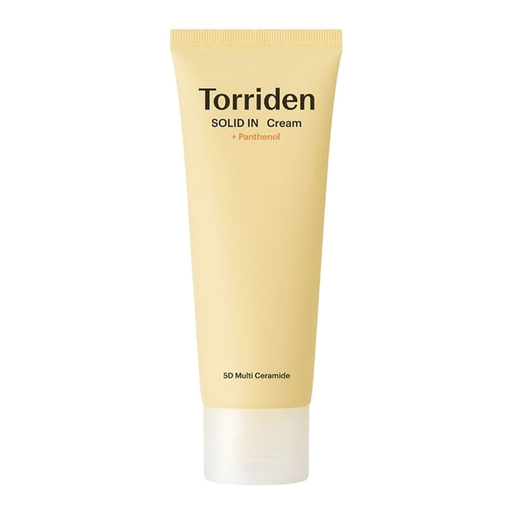
Why This Fits Their Persona: Ideal for users seeking a targeted, intensive solution for a compromised, dry, or irritated skin barrier. The formula is designed for maximum repair and moisture retention.
This cream bypasses the "isolated ingredient trap" with a 5D Ceramide Complex (Ceramide NP, NS, AS, EOP, AP) combined with phytosphingosine and cholesterol to comprehensively address the skin barrier.
Also contains soothing panthenol and allantoin. The texture absorbs well without leaving a sticky film.
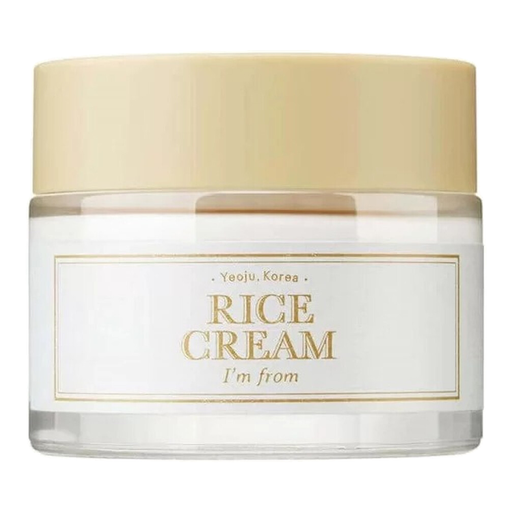
Why This Fits Their Persona: Perfect for K-Beauty enthusiasts looking for nourishing care with natural ingredients. Suitable for dry to combination skin that needs protection and balanced sebum production.
This product avoids the "ceramide stamp" trap by not only including Ceramide NP but also combining it with 41% rice bran water and shea butter to form a robust moisture barrier.
The formula uses phytic acid from rice to help regulate sebum production. Free from artificial fragrances and colours.
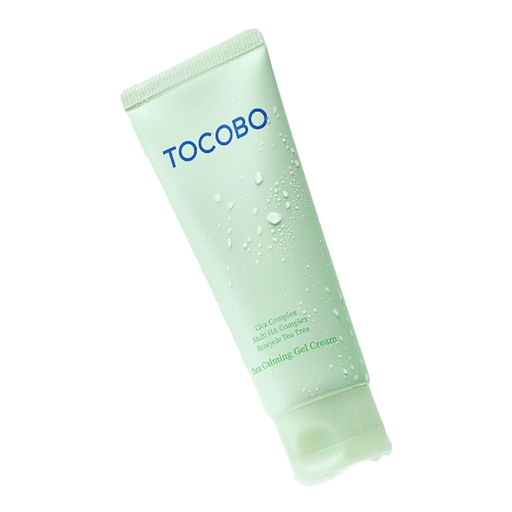
Why This Fits Their Persona: An excellent choice for those with sensitive combination or oily skin prone to redness. The lightweight gel texture hydrates without feeling heavy or greasy.
This product avoids the "irritating additives" trap with a soothing formula featuring Centella Asiatica (Cica) and panthenol, specifically tailored to the needs of irritated skin.
Contains Ceramide NP to support the barrier and a hyaluronic acid complex for multi-level hydration. The gel texture is refreshing and absorbs quickly.
An immediate relief from tightness and dryness can often be felt after the first application. However, the structural repair and strengthening of the skin barrier is a process that takes time. With consistent use, typically twice a day, visible improvements in skin health and resilience can be expected after about three to four weeks.
Yes, and it can be very beneficial. The skin barrier in acne-prone skin is often compromised by harsh treatments (e.g., with acids or retinoids). A ceramide cream can help rebuild this barrier and soothe the skin. In this case, choose a lightweight, non-comedogenic formula, preferably a gel-cream, to avoid further clogging the pores.
Both are essential for healthy skin but have different functions. Ceramides are lipids (fats) that act like the "mortar" between your skin cells (the "bricks"). They lock moisture into the skin and protect against external aggressors. Hyaluronic acid is a polysaccharide that can bind large amounts of water. It acts like a sponge, drawing moisture from the environment and deeper skin layers to plump up the skin. A good moisturiser often combines both ingredients.