
Lieferung heute & morgen

Qualitätsgarantie

Willkommens-Angebote freischalten: KOSTENLOSE Lieferung | Bis zu 80 % RABATT | Kostenlose 30-Tage-JoyPlus-Testphase
App herunterladen
Dry, sensitive skin doesn’t always respond to the most expensive or most heavily advertised skincare. A suitable ceramide cream for sensitive skin should primarily match the area of application, the desired texture, and your personal tolerance. Ceramides are skin-like lipids commonly used in cosmetic formulations to support the skin barrier.
However, typical buying mistakes occur: a cream is chosen based on individual ingredient promises without checking the full INCI list. Or the texture is either too rich or too light for daily use. Even a seemingly large tub can be unsuitable if it is mainly intended for the body and difficult to spread on the face.
The label “with ceramides” does not automatically mean every formulation is the same. What matters includes the types of ceramides used, their position in the ingredients list, and the other components. Humectants such as glycerin, hyaluronic acid or panthenol can complement the formulation. Oils, waxes and silicones, on the other hand, mainly affect the skin feel and spreadability.
Sensitive skin can react to fragrances, essential oils, certain preservatives or individual plant extracts. A cream described as gentle is therefore not automatically suitable for everyone. If you have known intolerances, you should check the current ingredients list for fragrances and potential triggers. The information on the packaging is definitive, as formulations can change.
A very rich face cream can feel pleasant on very dry skin, but may absorb slowly under make-up. For daytime, a non-greasy face cream or a light emulsion can be more practical. For dry areas of the body or in winter, a more protective formulation may better suit your needs.
Look for specific INCI names such as Ceramide NP, Ceramide AP, Ceramide EOP, Ceramide NS or Ceramide AS. Multiple ceramide types are a reasonable formulation feature, but not the sole proof of a specific effect. Complementary skin-like lipids such as cholesterol, phytosphingosine, lecithin or fatty acids can round out the composition.
If you are specifically looking to strengthen the skin barrier, you should also pay attention to a balanced combination of humectants and skin-nourishing lipids. For dry skin, glycerin, sodium hyaluronate or amino acids are often useful; however, individual tolerance remains decisive.
A moisturising cream with ceramides should suit the area of use:
A cream for face and body can simplify your routine. For children, application should be done by an adult. Cosmetic products are not intended for the treatment of eczema, open skin lesions or other skin conditions.
If you are looking for a cream for sensitive skin, you may prefer fragrance-free and colourant-free formulations to start with. This reduces certain potential triggers, but does not guarantee individual tolerance. Test new products on a small area of skin first. If you experience burning, redness, swelling or itching, stop using the product. For persistent issues, dermatological advice is recommended.
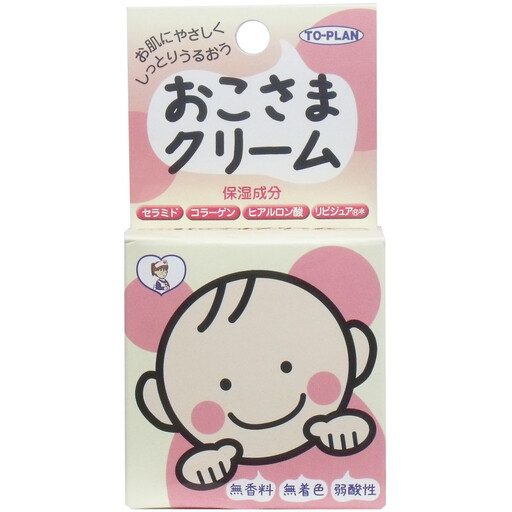
Why this product fits the profile: The compact size is ideal for trying out or for on the go. According to the product information, the cream is intended for face and body and contains Ceramide NP, AP and EOP.
The fragrance-free, colourant-free, mildly acidic formulation makes the selection more transparent. However, the current packaging information should still be checked before purchase.
30 g size, face and body application, plus glycerin and hyaluronic acid in the stated INCI list.
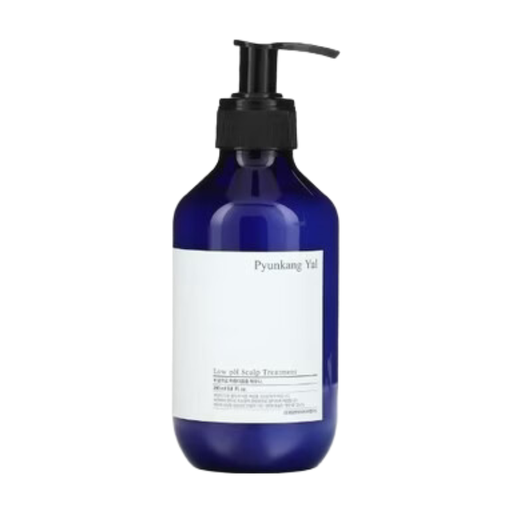
Why this product fits the profile: The 500 ml size is designed for regular use on face and body and can be practical for households with high skincare needs.
The product category and intended area of use are clearly stated. This avoids planning a small face cream for large-area body care.
500 ml content, five listed ceramide types and additional ingredients such as sodium hyaluronate and cholesterol.
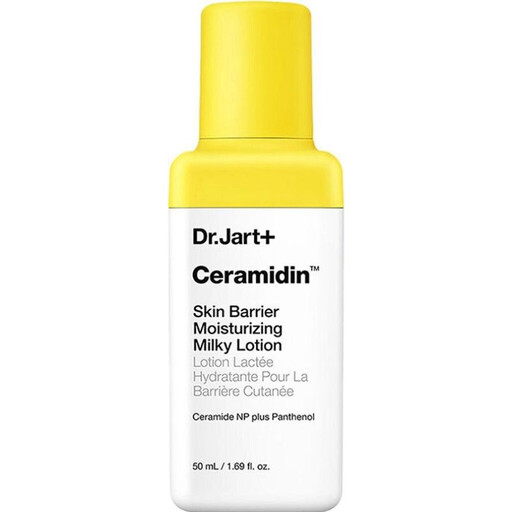
Why this product fits the profile: According to the product description, this light milky lotion is intended for dry and sensitive skin and for use in the morning or evening.
The emulsion format distinguishes it from a heavy cream. At the same time, those interested should note the included fragrance if they prefer fragrance-free skincare.
50 ml content, Ceramide NP, panthenol and glycerin, plus a light emulsion with stated dermatological testing according to the product information.
We have compiled a complete, regularly updated list of products that fully meet these strict selection criteria and the safety regulations in force in the EU.
Apply a ceramide moisturising cream after cleansing. For very dry skin, a thin second layer on particularly stressed areas can be useful, provided your skin tolerates the formulation. In the morning, if you will be exposed to the sun for longer, you should also use a suitable sunscreen.
Store the cream according to the instructions on the packaging, usually in a dry place, tightly closed and protected from direct sunlight. The best-before date, batch number and current INCI list can be found on the packaging. The shelf life after opening can vary depending on the product.
That depends on texture, tolerance and area of use. A richer cream often suits dry areas of the face, while an emulsion can be more practical for the morning or under make-up. Check the ceramide types, humectants, fragrances and the full INCI list.
Some products are stated by the manufacturer as suitable for children and adults, for example the Toplan Children’s Moisturizing Cream. For children, application should be done by an adult. Do not apply to open, inflamed or abnormal skin areas, and stop use if a reaction occurs.
A general time frame is not possible. The symbol for shelf life after opening, the printed date and the storage instructions for the specific product are definitive. If the smell, colour or consistency changes, the cream should no longer be used.