
Lieferung heute & morgen

Qualitätsgarantie

Willkommens-Angebote freischalten: KOSTENLOSE Lieferung | Bis zu 80 % RABATT | Kostenlose 30-Tage-JoyPlus-Testphase
App herunterladen
Dry, tight or easily irritated skin doesn’t automatically need an extensive skincare routine. When choosing ceramide skincare, it’s particularly important to check the formula, texture and intended use. Ceramides are part of the skin’s natural lipids and are often combined with humectants and other lipids in cosmetic formulas.
However, focusing only on terms such as “barrier repair”, “intensive care” or “Korean skincare” can make it easy to buy something that doesn’t meet your needs. The criteria below can help you distinguish marketing claims from product features you can actually check.
A formula may contain several types of ceramide, but this alone says little about how suitable a product is for everyday use. The overall composition matters. Depending on the formula, supporting ingredients such as glycerin, hyaluronic acid, panthenol, squalane, cholesterol or phytosphingosine can contribute different skincare benefits.
An ingredient’s position on the INCI list is not, by itself, a complete measure of quality either. The list shows the order of the ingredients, but not always their exact concentrations.
A rich ceramide cream may feel comfortable on dry skin, but heavy on oily or blemish-prone skin. A lightweight gel cream, on the other hand, may work well during the day or under make-up, but very dry skin may need additional care.
So it’s worth considering:
A ceramide mask or toner pad can be a short-term addition to your routine. For daily skin barrier care, a leave-on product that you apply after cleansing is usually more practical. Relying solely on occasional masks won’t necessarily give you a suitable everyday routine.
Look for specific INCI names such as Ceramide NP, Ceramide AP, Ceramide NS, Ceramide AS or Ceramide EOP. Some formulas combine ceramides with cholesterol and phytosphingosine or other skin-like lipids. This may appeal if you’re specifically looking for skincare to support your skin barrier.
However, a combination of several ceramides is no reason to make a blanket claim about effectiveness. Skin compatibility and texture are just as important.
Hyaluronic acid comes in various forms, including Sodium Hyaluronate, Hydrolyzed Hyaluronic Acid and Sodium Hyaluronate Crosspolymer. These names describe different cosmetic ingredients from the same family. Combined with glycerin, they can complement moisturising care for dry skin.
If your skin looks dehydrated, a face cream with humectant ingredients may be a good choice. For dry skin, texture matters too: lipids and conditioning emollients can affect how your skin feels after application.
If you have sensitive skin, it’s best to introduce a product gradually:
The current INCI list, shelf life and directions on the packaging are the best points of reference, as formulas and packaging information may be updated.
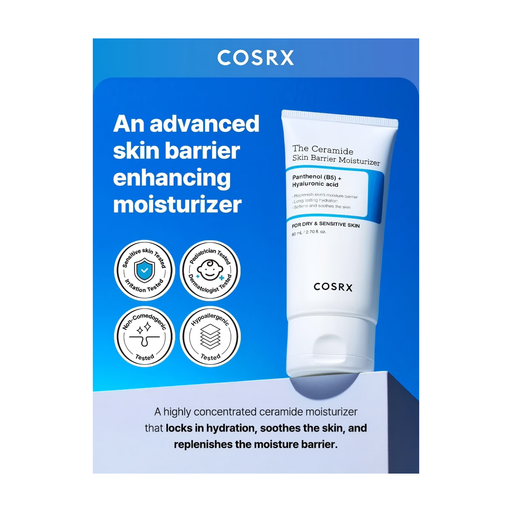
Why this product suits this profile: The 80 ml tube is designed for regular facial skincare. According to the brand’s product information, the cream contains several types of ceramide, cholesterol, squalane, panthenol and hyaluronic acid derivatives.
The specific INCI names make it easier to compare the formula with general marketing claims. The tube is also designed for controlled dispensing.
80 ml, a creamy texture and several ceramide and hydrating ingredients for daily use.
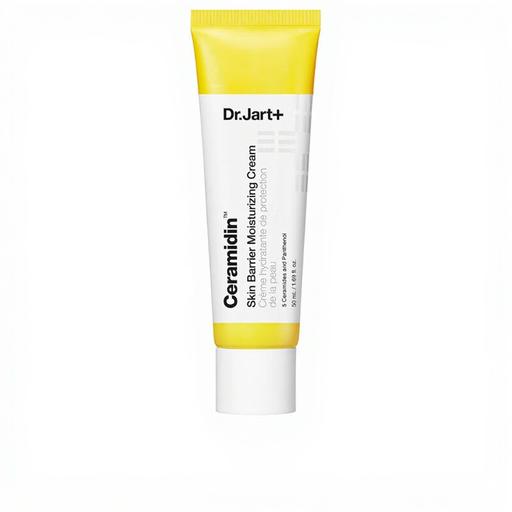
Why this product suits this profile: According to Dr. Jart+’s product information, the cream combines Ceramides NP, AP, AS, NS and EOP with panthenol, cholesterol, glycerin and Sodium Hyaluronate.
The individual ceramide types and supporting ingredients can be checked against the stated INCI list, making it easier to assess the formula in more detail.
Several types of ceramide, 50 ml and a cream formula for the face and neck.
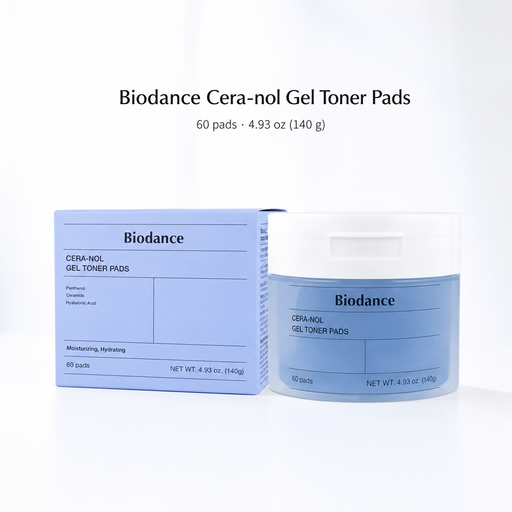
Why this product suits this profile: According to Biodance’s product information, the jar contains 60 gel toner pads with ceramides, panthenol and several forms of hyaluronic acid. You can use the pads after cleansing or apply one to a specific area as a short treatment.
The individual pads make it easy to control how much you use. The tweezers help you remove them hygienically; always close the lid securely.
60 pads, two ways to use them—as a toner or targeted treatment—and a product description that states it is alcohol-free and fragrance-free.
We’ve put together a complete, regularly updated list of products that meet these strict selection criteria and the safety requirements in force in the EU.
After cleansing, you can apply the cream to skin that is slightly dry or slightly damp. If you follow a multi-step routine, apply lightweight products such as toner or serum first, then follow with the cream. In the morning, use sun protection as well.
Ceramides are often used in skincare for sensitive or dry skin. However, how well a product suits you depends on the formula as a whole. Check for parfum, essential oils and other ingredients you may wish to avoid. It’s a good idea to do a patch test before applying it more widely for the first time.
Check the best-before date and the open-jar symbol on the packaging. Store the product in a cool, dry place away from direct sunlight. Don’t continue using it if its smell, colour or consistency has changed.