
Lieferung heute & morgen

Qualitätsgarantie

Willkommens-Angebote freischalten: KOSTENLOSE Lieferung | Bis zu 80 % RABATT | Kostenlose 30-Tage-JoyPlus-Testphase
App herunterladen
A ceramide face cream can be a worthwhile addition when your skin feels dry, tight or unbalanced due to external factors. Ceramides are skin-identical lipids that are often combined with humectants and emollients in cosmetic formulations.
However, the choice isn't simply about the word "ceramide". Some products contain only one ceramide in a low concentration, while others combine several types of ceramide with panthenol, cholesterol or plant oils. Texture, pack size and additional fragrance or botanical ingredients can also make a real difference in daily use.
A long list of ceramide types doesn't tell you anything about individual tolerance or how the product will feel on your skin. What matters is the whole formulation. Glycerin, hyaluronic acid, panthenol, squalane or plant oils can all complement the desired skincare effect. For oily combination skin, a very rich base can feel too heavy.
Cosmetic claims like "gentle", "soothing" or "suitable for sensitive skin" should be assessed by looking at the ingredients list. Fragrances, essential oils or certain plant extracts can be problematic for some people. A face cream for sensitive skin should therefore be formulated as simply as possible and should first be tested on a small area of skin.
A 500 ml lotion can be practical for both face and body, whereas a 30 ml or 50 ml cream is more targeted for daily facial care. So consider whether you'll actually want to use the texture and formulation regularly. For products you use infrequently, a smaller pack may be the better choice.
On the INCI list you might see Ceramide NP, AP, AS, NS or EOP, for example. Several types are an objectively recognisable formulation feature, but not a guarantee of quality on their own. The combination with cholesterol, phytosphingosine or lecithin is also interesting, as these ingredients appear in skin-identical lipid concepts.
A ceramide moisturising cream with glycerin and hyaluronic acid is often suitable for dehydrated-looking skin. For very dry skin, additional oils, shea butter or rich emollients can be beneficial.
A hydrating face cream does not replace sun protection. In the morning, you should also use a suitable sunscreen product if needed.
Apply the cream after cleansing. For dry or dehydrated skin, applying it to slightly damp skin can feel pleasant. If you have sensitive skin, start with a small amount and don't introduce new products at the same time as several active-ingredient products.
If your skin is damaged, persistently red or clearly irritated, stop using the product. The safety instructions on the packaging are what matters; cosmetic skincare does not replace a dermatological consultation.
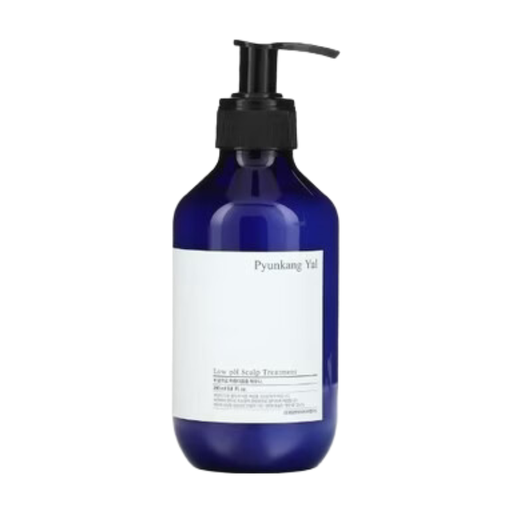
Why this product fits the profile: The large 500 ml pack is designed for both face and body, making it suitable for anyone looking to incorporate a versatile lotion into their daily skincare routine.
The product description lists five ceramide types as well as glycerin and sodium hyaluronate. However, you should still check before buying whether the richer lotion texture suits your face.
500 ml content; Ceramide NP, NS, AS, EOP and AP listed in the INCI list; designed for face and body.
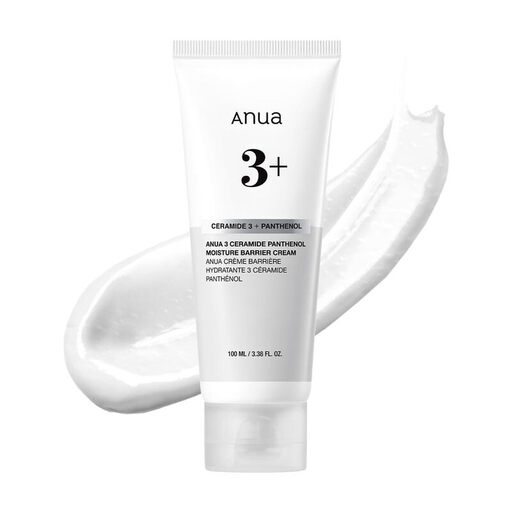
Why this product fits the profile: This face cream is designed for daily use, both morning and evening. The combination of three ceramides, panthenol and centella fits a minimalist Korean skincare approach.
The brand states a non-comedogenic and dermatologically tested formulation. These claims are brand-specific and do not replace an individual tolerance test.
100 ml content; panthenol appears high on the stated INCI list; Ceramide NP, AP and EOP are listed.
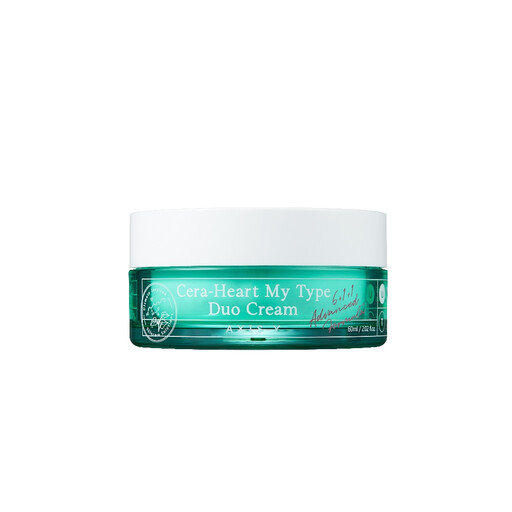
Why this product fits the profile: The duo contains a lighter T-zone cream and a richer U-zone cream. This allows you to tailor your skincare to your forehead, nose, chin and cheeks with different amounts.
Instead of applying one uniformly rich cream all over your face, the two textures can be used zone by zone. Ceramide NP is listed in the U-zone formulation.
Two separate textures totalling 60 ml; a concept tailored for combination skin; can be applied as needed or mixed together.
We've put together a complete, regularly updated list of products that fully meet these strict selection criteria and the safety regulations in force in the EU.
After cleansing, a small amount is usually enough for your face and neck. In a multi-step Korean skincare routine, the cream typically comes after toner and serum. In the morning, follow with a sunscreen. New products should first be tested on a small area of skin.
The best-before date and the period-after-opening symbol on the packaging are what matter, for example "12M". Store the cream according to the manufacturer's instructions, usually in a cool, dry place away from direct sunlight. If the smell, colour or consistency changes noticeably, stop using the product.
Yes, as long as the texture and dosage are right. A light cream can be used all over your face; richer products can be applied specifically to dry cheeks. If you have clearly different skin zones, a duo product like the AXIS-Y cream can be a practical solution.