
Lieferung heute & morgen

Qualitätsgarantie

Willkommens-Angebote freischalten: KOSTENLOSE Lieferung | Bis zu 80 % RABATT | Kostenlose 30-Tage-JoyPlus-Testphase
App herunterladen
Dry, sensitive or irritated-looking skin doesn’t respond the same way to every moisturiser. Many products boast ceramides, “barrier repair” or intense hydration, yet they differ significantly in texture, composition and how you use them. If you only focus on flashy promises or a large product volume, you might end up buying a formula that’s too rich, too light or simply not right for your daily routine.
The term “ceramide” alone tells you very little about the full formulation. What matters is which types of ceramides are included and what other ingredients complement the product. These include, for example, glycerin, panthenol, hyaluronic acid, squalane, cholesterol or skin-like lipids. You should always check the full ingredients list on the packaging, as formulas can change.
A rich ceramide cream can be beneficial for dry skin, but it may feel heavy on oily or blemish-prone skin. A lightweight ceramide serum provides hydration, but it doesn’t automatically replace a final moisturiser. For a well-balanced skin barrier routine, it’s all about the right combination of hydration, lipids and a suitable texture.
A BB cream with ceramides can combine make-up, skincare and stated sun protection. However, it doesn’t necessarily replace an individual moisturising routine. What’s more, the actual level of protection and coverage depends on the amount you apply and how evenly you spread it. For prolonged UV exposure, you should use the sunscreen as directed on the product and reapply separately if needed.
Ceramides are components of the outer skin layers. When choosing a product, it’s not just the number of ceramides listed that counts. Also look for a combination with cholesterol, fatty acids, phytosphingosine or lecithin. These ingredients can be found, for example, in certain formulations from, Dr.Jart+ or Biodance.
A long INCI list is not automatically a mark of quality. What’s more important is whether the composition suits your own skin type and whether any known personal intolerances are taken into account.
For a moisturiser for dry skin, humectant ingredients such as glycerin, panthenol or hyaluronic acid are of interest. They bind water and can improve the feel of the skin. Oils, esters, silicones and lipids help to keep the product on the skin.
A serum is normally used after cleansing and before your moisturiser. A ceramide mask can serve as an extra treatment, but it shouldn’t replace your daily care if your skin is persistently dry.
If you have sensitive skin, it’s best to start gradually: apply a small amount to a limited area of skin and observe the reaction. If you experience stinging, redness or irritation, stop using the product. Cosmetic products are for external use only and should not be applied to broken skin.
Also pay attention to:
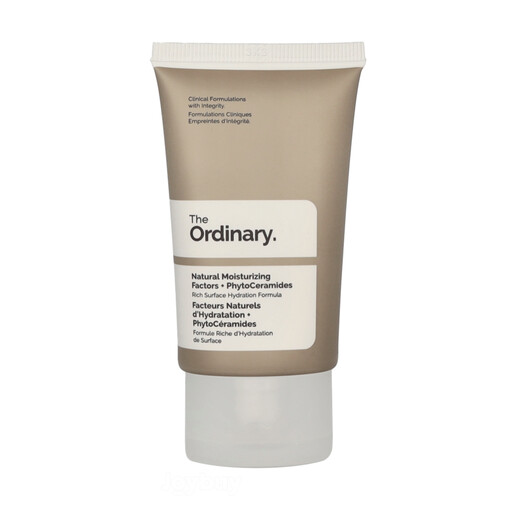
Why this product fits the profile: This compact 30 ml cream is ideal for anyone looking for a straightforward facial care product with PhytoCeramides and several humectants. It can be applied to the face and neck both morning and evening.
The product information lists specific moisturising factors and PhytoCeramides rather than just general barrier buzzwords. Still, you should check the current INCI list before buying.
30 ml content; contains, among others, glycerin, amino acids, urea, allantoin and sodium hyaluronate.
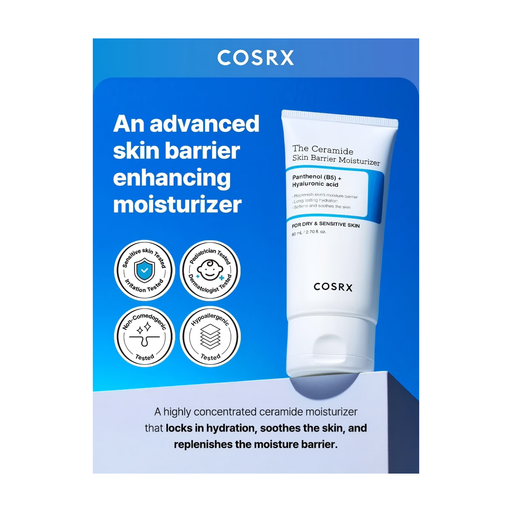
Why this product fits the profile: The formulation is aimed at users who want to incorporate a face cream with ceramides and several skin-like lipids into their daily Korean skincare routine.
The product description names ceramides, cholesterol, squalane, panthenol and hyaluronic acid derivatives. This allows you to assess the composition more objectively than by relying on a single marketing claim.
80 ml content; several ceramide types as well as cholesterol and phytosphingosine are listed in the stated INCI list.
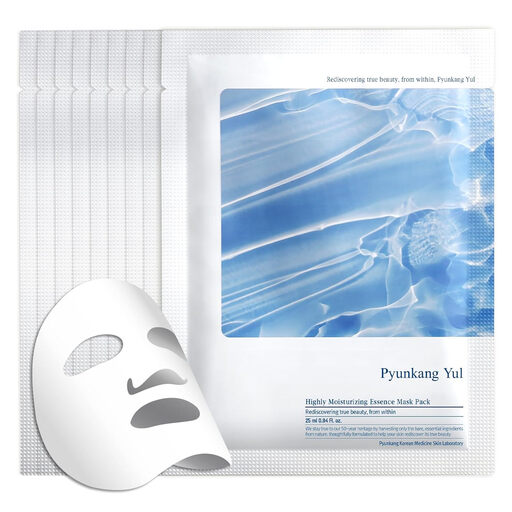
Why this product fits the profile: These sheet masks are a great supplementary treatment for users who occasionally want to add a hydrating mask to their soothing facial care routine.
The usage instructions are clear: leave on for 15 to 20 minutes, then pat in the remaining essence. This means the mask won’t be mistaken for a permanent moisturiser.
10 sheet masks; fragrance-free according to product information; contains Ceramide NP, panthenol and several forms of hyaluronic acid.
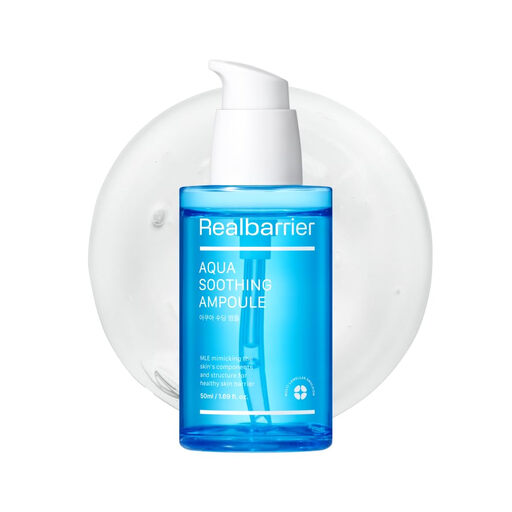
Why this product fits the profile: This lightweight serum suits people who want to layer hydration without immediately applying a rich cream. You can then finish your routine with a moisturiser.
The product information clearly distinguishes between an ampoule and a final moisturising step. Ceramides, cholesterol and seven forms of hyaluronic acid are listed in the ingredients.
50 ml content; lightweight ampoule texture; contains Ceramide NP and AP as well as allantoin and madecassoside.
We’ve put together a full, regularly updated list of products that fully meet these strict selection criteria and the safety regulations in force in the EU.
A simple order of application could look like this:
For very dry skin, a richer cream in the evening can feel more comfortable. For normal or sensitive skin, a lighter texture is often sufficient. Don’t introduce new products at the same time as several other active ingredients. This way, you can better tell which product your skin tolerates.
Ceramides are skin-like lipids and a component of the natural skin barrier. In cosmetic products, they are used to support hydration and the feel of the skin. An effect cannot be guaranteed for every person; the formulation, skin condition and regular use all play a role.
That depends on the full formulation. Ceramides can be combined with panthenol, glycerin or squalane, but may also contain other ingredients such as fragrances or essential oils. If you have sensitive skin, check the INCI list and first do a patch test on a small area.
The printed best-before date and the PAO symbol (e.g. “12M” for twelve months after opening) are what matter. Products should be stored in a dry, cool place away from direct sunlight. The exact shelf life can vary depending on the product and batch.