
Lieferung heute & morgen

Qualitätsgarantie

Willkommens-Angebote freischalten: KOSTENLOSE Lieferung | Bis zu 80 % RABATT | Kostenlose 30-Tage-JoyPlus-Testphase
App herunterladen
Dry, tight or sensitive skin is often targeted with big promises. But just because a product mentions “ceramides” doesn’t automatically mean it will suit your skincare routine. What matters is the formulation, texture and intended use.
Ceramides are skin-like lipids that form part of the skin’s natural barrier. In cosmetic formulations, they’re often combined with humectants such as glycerin, panthenol or hyaluronic acid, as well as other lipids. The aim is to help limit moisture loss from the skin’s surface and keep skin feeling comfortable.
Claims such as “3 ceramides”, “5 ceramides” or “7 ceramides” simply indicate the number of different ceramide types. This alone doesn’t tell you how well a product will suit your skin. The overall formulation, texture and other ingredients, such as cholesterol, fatty acids or phytosphingosine, also matter.
So check the INCI list. Ceramides may be listed as Ceramide NP, AP, AS, NS or EOP, for example. The order of the ingredients gives you a rough idea of their relative amounts, but it doesn’t provide an exact measure of how effective the product as a whole will be.
Sensitive skin can react to fragrances, essential oils, certain plant extracts or a high concentration of active ingredients. Even a product without alcohol may contain other ingredients that don’t suit your skin.
When choosing skincare for sensitive skin, look for a straightforward formulation. With new products, it’s a good idea to do a small patch test on an inconspicuous area of skin. Stop using the product if redness, stinging or itching persists.
A lightweight ceramide serum or hyaluronic acid serum can add hydration. But for dry skin, a water-based product alone often isn’t enough to complete your moisturising routine. You can follow it with a cream or emulsion containing nourishing lipids to seal in your skincare.
A well-balanced barrier care formula ideally combines ceramides with other skin-like ingredients, such as cholesterol, fatty acids, lecithin or phytosphingosine. These ingredients don’t prove quality on their own, but they do show that the formula isn’t relying on just one active ingredient.
For dry skin, a ceramide face cream with a richer base containing oils, shea butter or squalane may be a good fit. For combination skin or use in the morning, a lighter lotion or emulsion may feel more comfortable.
Glycerin, panthenol, beta-glucan and hyaluronic acid are commonly used humectants. Different forms of hyaluronic acid, such as those found in some serums, can offer different sensory benefits. However, the phrase “multiple molecular weights” alone doesn’t prove a particular effect on the skin.
Soothing facial skincare may also contain allantoin or ingredients derived from Centella asiatica. If your skin reacts to plant extracts, read the full ingredients list particularly carefully.
A face cream, toner pad and eye cream each serve a different purpose. Before buying, consider:
If you’re using products containing retinal, increase use gradually and apply sun protection during the day. Retinal isn’t suitable for spontaneous use directly around the eyes or on irritated skin.
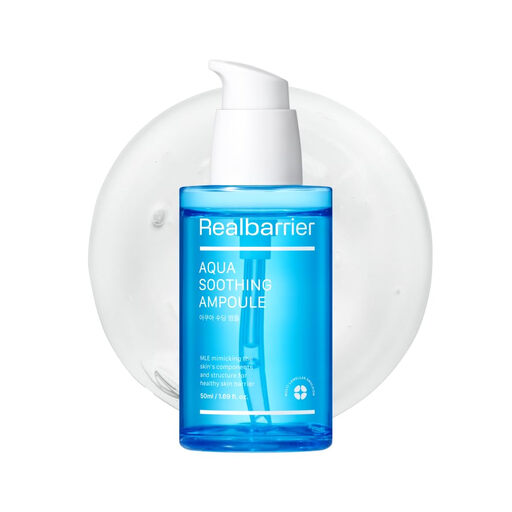
Why this product suits this profile: This lightweight face serum is a good fit if you like to build up hydration in layers and follow with a cream.
The product description lists seven forms of hyaluronic acid, as well as Ceramides NP and AP, cholesterol and soothing ingredients.
50 ml ampoule; lightweight texture; can be used morning and evening after cleansing and toner.
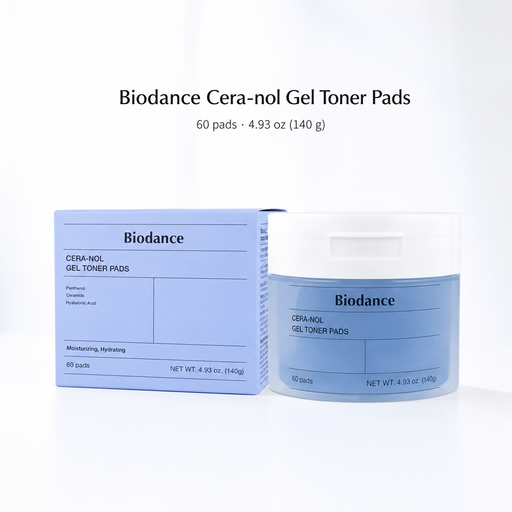
Why this product suits this profile: These pads are designed for quick use after cleansing and, according to the product description, can also be placed on dry areas of the face.
The product details name the ceramide types, panthenol and several forms of hyaluronic acid. The included tweezers help you remove the pads hygienically.
60 gel pads; described as alcohol- and fragrance-free; can be used to swipe over the skin like a toner or applied to specific areas.
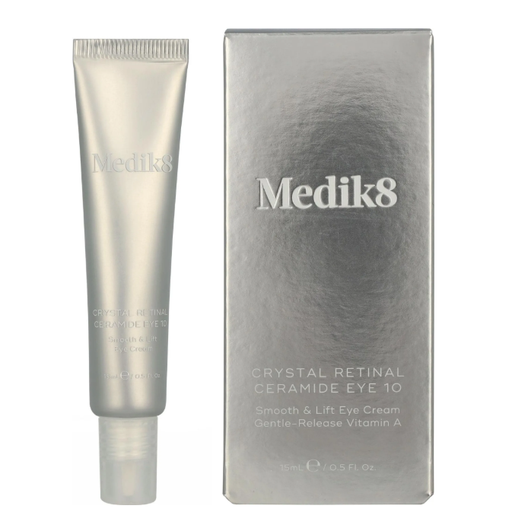
Why this product suits this profile: This formula is designed specifically for the eye area and combines Ceramide NP with retinal, hyaluronic acid, squalane and shea butter.
It’s specifically intended for night-time use around the eyes. Gradually increasing use as recommended helps reduce the risk of using it too often at the start.
15 ml; retinal in encapsulated form, according to the product description; sun protection is recommended during the day when using retinal.
We’ve put together a comprehensive, regularly updated list of products that meet these strict selection criteria and fully comply with the safety regulations in force in the EU.
A simple routine could look like this:
Try not to introduce too many new products into your skincare routine at once. That makes it easier to work out which product may be causing a reaction if your skin doesn’t tolerate something.
Ceramide creams and many ceramide serums are designed for daily use in the morning and evening. Follow the specific manufacturer’s instructions and take your skin’s individual tolerance into account. If your skin is very sensitive, it may be best to start gradually.
Yes, ceramides and hyaluronic acid are often used together in a skincare routine. Apply a hyaluronic acid serum after cleansing, then follow with a cream to finish your routine. This combination can be practical for many people when their skin feels tight or the air is dry from central heating.
Check the PAO symbol on the packaging, such as “12M”, as well as the stated best-before or expiry date. Close jars, tubes and pad containers after each use, and store them somewhere cool and dry, away from direct sunlight. Stop using the product if its colour, smell or consistency changes.