
Lieferung heute & morgen

Qualitätsgarantie

Willkommens-Angebote freischalten: KOSTENLOSE Lieferung | Bis zu 80 % RABATT | Kostenlose 30-Tage-JoyPlus-Testphase
App herunterladen
Cereal bars are considered the ideal on-the-go snack. Whether at the office, at university, or as a quick bite in between, they are convenient and promise a rapid energy boost. However, the selection is vast, and not every grain bar delivers what its packaging promises. Upon closer inspection, many products turn out to be disguised sweets. This guide will help you identify the most common pitfalls and make an informed decision.
To avoid falling into these traps, it's worth paying attention to the details. Three core parameters are crucial for the quality and purpose of a cereal bar.
The nutritional information table reveals the total sugar content. Pay attention to the "of which sugars" value. A high number can indicate a lot of added sugar. Some products, like special sugar-free cereal bars, use sweeteners such as maltitol instead. These can be an alternative for calorie-conscious consumers. Organic cereal bars often rely on natural sources of sweetness like honey, maple syrup, or dates, which also contain sugar but in a less processed context.
The foundation of any cereal bar is grain. Products with a high proportion of whole grains, such as oat bars, are often the better choice. Whole grains provide complex carbohydrates that supply the body with energy over a longer period. They are also rich in fibre, which promotes satiety and supports digestion. A look at the ingredients list will reveal the percentage of whole-grain flakes.
Not every bar is suitable for every purpose. A light cereal bar with yoghurt or fruit can be a good mid-day snack. However, someone looking for an energy bar for sports activities needs a product with higher energy density and quickly available carbohydrates. Bars with nuts or a chocolate cereal bar coating often offer more calories and are suitable for higher energy needs or as an indulgent treat.

Why This Fits Their Persona: Ideal for those who value organic quality and a straightforward ingredients list. This vegan oat bar is sweetened with rice syrup and gets its fruity flavour from blueberries and aronia juice concentrate.
The bar is based on 52% whole-grain oat flakes, which provides a good foundation for satiety. The sweetness comes from rice syrup and fruits, not from refined sugar or glucose syrup.
Ingredients from organic farming; vegan; high oat content for long-lasting satiety.
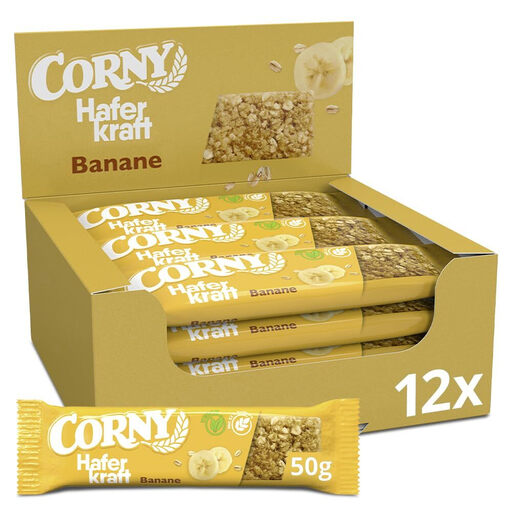
Why This Fits Their Persona: Perfect for those who need a substantial on-the-go snack or a pre-workout boost. Its soft texture and high oat content make it a satisfying source of energy.
With 50% whole-grain oat flakes as the main ingredient, the focus is clearly on sustained satiety rather than a quick sugar rush. The absence of a chocolate coating also makes it heat-resistant and practical for gym bags.
Very filling due to high oat content; convenient 50g portion; won't melt in the heat.

Why This Fits Their Persona: For anyone who loves the taste of a chocolate cereal bar but wants to consciously avoid added sugar. A light snack with only 67 kcal per bar.
This product specifically bypasses the sugar trap by using the sweetener maltitol instead of sugar. According to the manufacturer, the sugar content is just 2.4g per 100g, making it a clear alternative.
No added sugar; low in calories per bar; based on roasted whole-grain flakes.
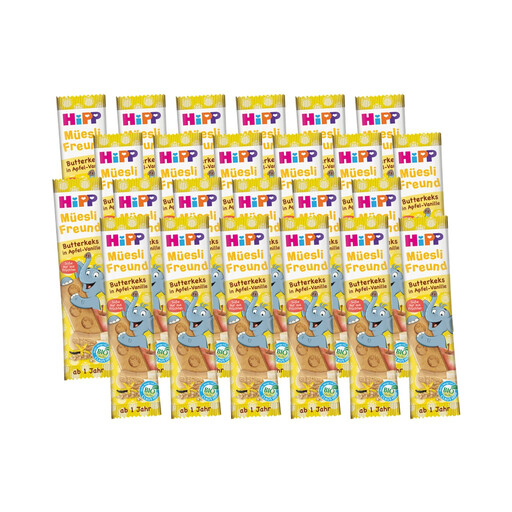
Why This Fits Their Persona: Specially developed for toddlers from 12 months. The recipe is tailored to children's needs and contains no added sugar. The sweetness comes exclusively from fruits.
According to the manufacturer, this product consistently avoids added sugar and artificial flavours. The base of banana flakes and whole-grain oat flour ensures child-friendly satiety.
Organic quality; no added sugar; age-appropriate recipe for toddlers.
We have compiled a complete, real-time list of products that fully satisfy these strict selection criteria and UK safety regulations.
A bar with no added sugar is not necessarily low in calories. Often, sweeteners (sugar substitutes) like maltitol or sorbitol are used. These have fewer calories than sugar but can have a laxative effect if consumed in excess. Furthermore, the total calorie content, which also depends on fats and carbohydrates, is an important factor. It is advisable to look at the entire nutrition table.
A high-quality oat bar is distinguished by a high proportion of whole-grain oat flakes, which should ideally be the first item on the ingredients list. Look for the percentage—values over 40% are a good sign. A short ingredients list without many artificial additives and a moderate sugar content are other quality indicators.
A single cereal bar is generally designed as a mid-day snack or on-the-go snack and cannot replace a balanced main meal. It often lacks the complexity and volume of nutrients (especially proteins, fats, and micronutrients) required for a complete meal like breakfast or lunch.