Runners with a planned carbohydrate intake
If you train for a long time or at high intensity, you’ll want to factor the carbohydrates in each bar you take with you into your fuelling plan, rather than choosing on flavour alone.


For long, strenuous training sessions, a cereal bar may form part of your fuelling plan if the carbohydrate content per bar fits your needs. The German Nutrition Society emphasises the importance of getting enough carbohydrates during this kind of exercise. Also check the ingredients, allergens and how well you have personally found the bar agrees with you. A protein claim or a ‘no added sugar’ label won’t answer these questions.
If you train for a long time or at high intensity, you’ll want to factor the carbohydrates in each bar you take with you into your fuelling plan, rather than choosing on flavour alone.
When choosing a bar to pack in your training bag, check the ingredients and allergens for every variety. Portion size and how well you’ve found it agrees with you also matter before an important run.
If you want to eat bars outside of exercise, compare classic, protein-focused and reduced-sugar options against your own dietary goals and the nutritional information.
First decide whether you want a bar for a long training session or as a snack when you’re not exercising. Then compare the nutritional values for the specific variety per bar: information for the multipack alone doesn’t tell you what one serving contains.
A good choice if: you’re looking for convenient portions with a carbohydrate content that suits your fuelling plan.
Keep in mind: ingredients and nutritional values vary by variety; the category name doesn’t tell you how much each bar contains.
A good choice if: protein is your main consideration when choosing a snack outside a long training session.
Keep in mind: the protein claim doesn’t tell you whether the carbohydrate content suits your planned running fuel.
A good choice if: you want to choose an everyday snack based on its sugar content.
Keep in mind: a claim on the front of the pack doesn’t replace comparing the sugar, carbohydrates and ingredients in the specific variety.
| Criteria | What to check when buying | Who is it important for? |
|---|---|---|
| Carbohydrates per bar | Compare the carbohydrate content and weight of each bar; if needed, convert the values per 100 g to the portion size. | For a long, strenuous session, I want to know how many carbohydrates I’m planning to get from each bar. This is the top priority for around 36% of shoppers. |
| Ingredients and allergens | Read the ingredients list and allergen information for every variety in the pack; try a new bar for yourself before an important session. | If a variety doesn’t agree with me or I need to avoid certain ingredients, I want to know before my run. Ingredients and tolerance are the priority for around 29% of shoppers. |
| Sugar for everyday snacks | Check the sugar and carbohydrate content per bar, as well as the ingredients list, rather than relying on claims on the front of the pack. | For a snack outside training, I want to compare the sugar content of the different varieties. Around 21% of shoppers put this goal first when choosing. |
| Pack size and variety mix | Check the number of bars, their weight and which varieties are included; if you’ll be taking them with you, check whether they’re individually wrapped. | If I want to take several bars with me, the varieties and portion sizes in the pack need to work for me. Pack format is the most important criterion for around 14% of shoppers. |
These claims don’t tell you how many carbohydrates are in the portion you’ll actually eat. For long, strenuous exercise, the German Nutrition Society says carbohydrate intake is an important part of fuelling.
Decide what you’ll use the bar for first, then compare the carbohydrates, sugar and ingredients per bar.
A bar may weigh considerably less than 100 g. Without taking its weight into account, you can’t tell how much is in the portion you’ll take with you.
Check the weight of one bar and convert the nutritional values per 100 g to that portion size.
The varieties in a pack may contain different ingredients and allergens, so the information for one variety won’t necessarily apply to all the bars.
Read the ingredients list and allergen information for every variety in the pack; check any ‘may contain’ warnings too, if relevant.
Corny is available in the German retailers reviewed, with several types of bar and pack sizes. When comparing products from the brand, focus on the specific range.
The REWE range includes fruit bars and protein-focused bars under these own brands. They’re different types of product for different snacking goals.
EDEKA24 stocks organic crispy bars, among other products. To compare them with other types of bar, look at the ingredients and portion size of the specific variety.
These cereal bar, grain bar and sandwich bar multipacks come in a range of varieties and portion sizes to compare. If you’re planning to take them with you, check whether the bars are individually wrapped and read the nutritional and ingredient information for the specific option.
 No image available
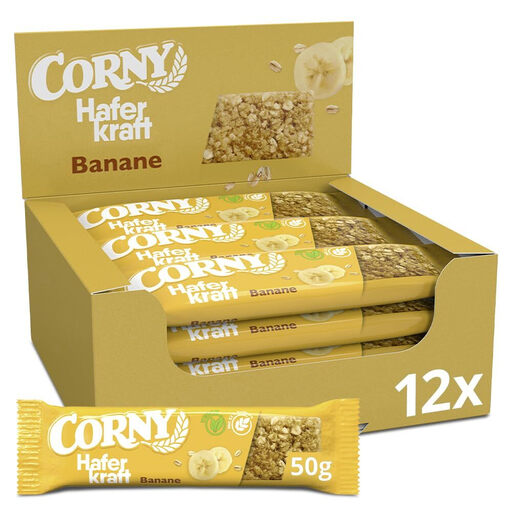
If you’re considering the banana variety as a planned training portion, compare the carbohydrates per 50 g bar. The pack contains 12 bars; check that they’re individually wrapped before taking them with you, and look at the ingredients and allergens.
 No image available
When comparing the cocoa variety with other training snacks, the nutritional values per 50 g bar are what matter. The multipack contains 12 bars; if you’re taking them out with you, check whether they’re individually wrapped.
 No image available
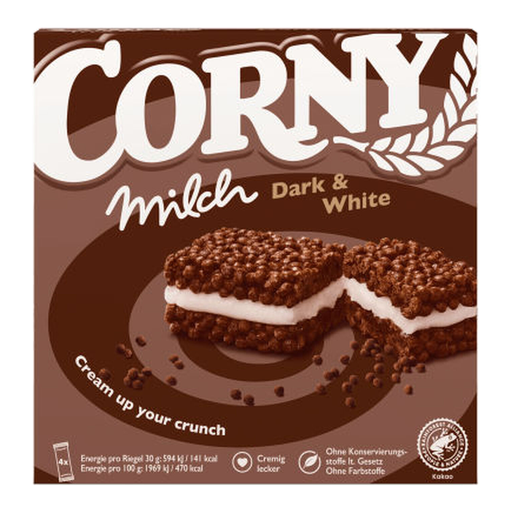
If you want to compare smaller bar portions, check the carbohydrate content per 30 g bar. The pack contains four cereal sandwich bars; check the ingredients, allergens and whether each bar is individually wrapped.
 No image available
If you’re comparing this option as a snack outside your run, check the sugar and carbohydrate content per 20 g bar despite the product name. The pack contains six bars; check whether they’re individually wrapped before packing them.
 No image available
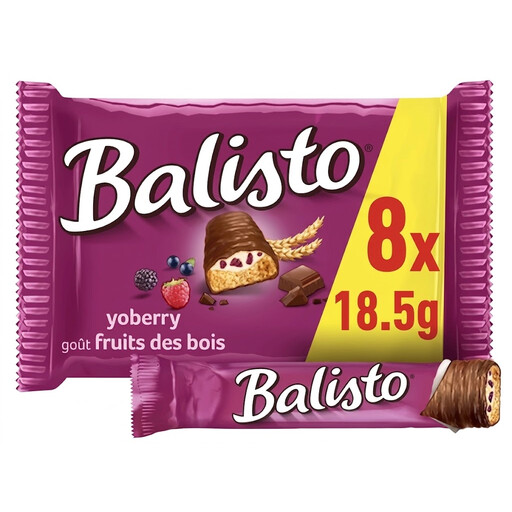
For this smaller bar size, use the values per 18,5 g bar when planning your fuelling. The multipack contains eight bars; check whether they’re individually wrapped and review the ingredients and allergens before taking them with you.
You can’t tell from the product type alone. The German Nutrition Society emphasises the need for sufficient carbohydrate intake during prolonged, strenuous exercise. Whether a particular bar suits your fuelling plan depends, among other things, on its carbohydrate content per portion and how well you’ve found it agrees with you.
No. This claim alone doesn’t tell you how much sugar is in a portion. The German consumer advice centre points out that ingredients such as fruit juice, honey and dried fruit can contribute to the sugar content. Compare the sugar values and ingredients for the specific variety.
Read the ingredients and allergen information for each variety in the pack separately. If relevant, check any voluntary ‘may contain’ warnings too, rather than assuming the information for one variety applies to the whole pack.
Follow the date label and any storage or use instructions on the specific packaging. Before taking the bars with you, also check whether they’re individually wrapped.