Stock-up shoppers
If you regularly take bars for home, work or when you’re out and about, match the total quantity and portion size to how much you actually use.


For a cereal bar stash you’ll use regularly, choose a pack size and portion size that suit your actual consumption. Then compare the nutritional information per 100 g and, if you have specific requirements, check the ingredients and allergen information on the pack itself. A low sugar figure alone shouldn’t determine your choice.
If you regularly take bars for home, work or when you’re out and about, match the total quantity and portion size to how much you actually use.
If you choose varieties based on their ingredients, compare the nutritional information per 100 g and check the ingredients list on light varieties too.
If you have allergies, intolerances or particular dietary preferences, the information on the specific pack matters more than the variety name or packaging image.
When stocking up on cereal bars, first work out how many you’ll use. You can then compare the nutritional information and ingredients of the varieties you’re considering.
| What to consider | What to check when buying | Who it matters most to |
|---|---|---|
| Pack size | Check the net weight, number of bars and best-before date against how much you plan to use. | If I regularly stock up on bars, I don’t want to choose a pack I won’t finish. Around 36% of consumers put choosing the right quantity first. |
| Sugar and nutritional information | Compare sugar, energy and fat per 100 g; check the ingredients in light varieties too. | When trying a new variety, I want to know how its nutritional values compare with the one I usually buy. For around 29% of consumers, sugar and other nutritional information come first. |
| Allergens and ingredients | Read the ingredients list and highlighted allergens on the specific pack. | If I need to avoid certain ingredients, I can’t rely on the variety name alone. This check comes first for around 21% of consumers. |
| Portion size and variety | Check the weight of each bar, number of portions and variety against how you plan to use them. | For days out, I want bars with a portion size that suits my routine and a variety I’ll actually eat. Around 14% of consumers put this first. |
Packs with bars of different weights can contain different total quantities, even if they have a similar number of bars.
Compare the net weight and the weight of each bar before deciding how large a pack is.
A light variety may contain polyols. The sugar figure shown doesn’t tell you about all the ingredients or nutritional values.
Read the nutritional information and ingredients list together, especially when comparing a classic variety with a light one.
For anyone with allergies, it’s the ingredients in the specific variety and pack that matter, not just the name.
Before eating, check the ingredients list and allergen information on the current packaging.
A pack is only right for your planned stash if you’ll actually use that variety and portion size as part of your routine.
Try a new variety in a quantity you’re likely to finish first.
The Schoko and Schoko light cereal bars described by ALDI SÜD show two varieties from the same brand with different compositions.
ALDI SÜD describes a peanut cereal bar pack of 8 × 25 g, handy for a portioned stash.
This selection includes portion-sized oat cereal bars, cereal sandwich bars and biscuit bars in multipacks. The key is choosing a variety and pack size you’ll use regularly; if you have ingredient or allergen requirements, check the current packaging.
 No image available
A portion-sized pack of oat cereal bars for regular use. If you’re considering the Zero variety because of its composition, compare the nutritional information and ingredients on the current pack. If you have a peanut allergy, this peanut variety isn’t suitable.
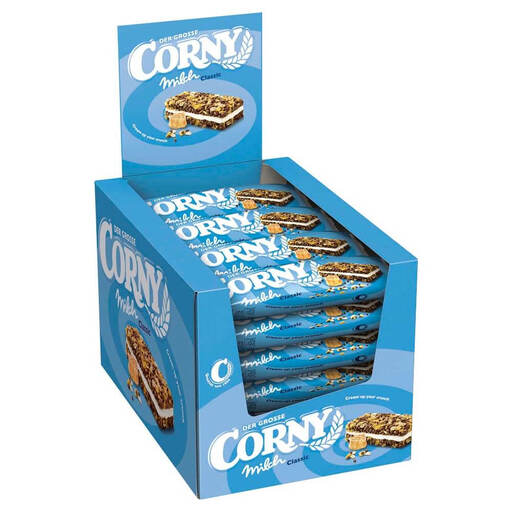 No image available
The larger number of bars could suit a regular stash if you prefer cereal sandwich bars. Before choosing, compare the total quantity and check the pack information if you have allergies.
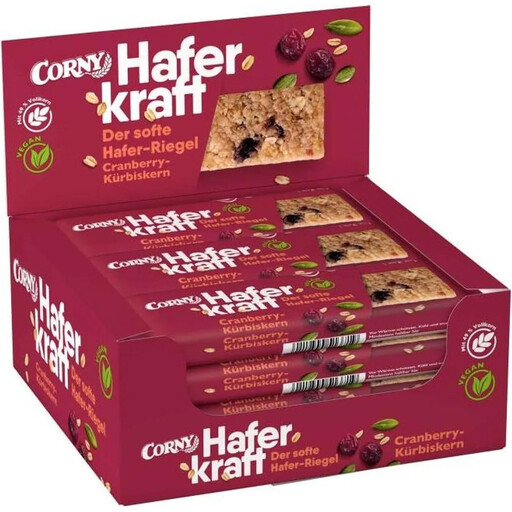 No image available
An oat cereal bar variety for anyone who wants to keep a portion-sized stash of cranberry bars. Check the information on the current packaging to see whether the ingredients and nutritional values suit your needs.
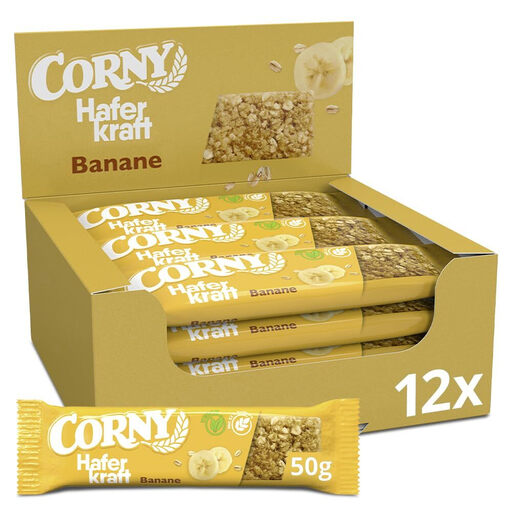 No image available
The banana variety could suit a regular stash if you like bars in this portion size. To compare it with other varieties, check the nutritional information per 100 g and the ingredients list.
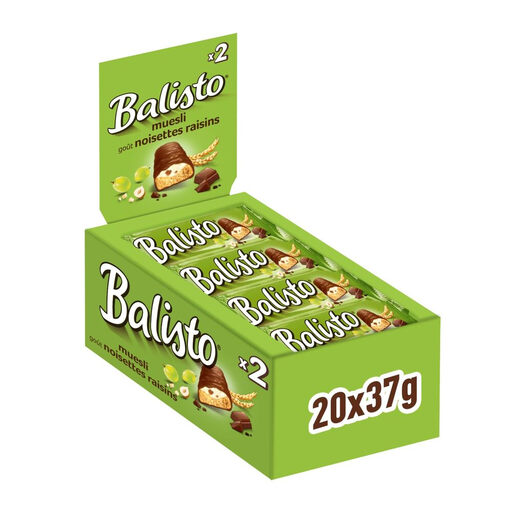 No image available
A multipack for anyone who regularly enjoys Balisto Muesli wholegrain biscuit bars. Consider the portion size separately from cereal bar varieties, and if you have allergies, read the information on the current pack.
No. Compare the net weight and the weight of each bar too: the same number of bars can mean different portion sizes. If you’re stocking up, it also matters whether you’ll actually finish the pack.
No. Lebensmittelklarheit points out that “no added sugar” isn’t the same as sugar-free. Check the sugar figure and the ingredients, and bear in mind that polyols may be listed separately in the nutritional information.
Read the ingredients list and allergen information on the specific pack. According to the European Commission, allergens used as ingredients must be clearly indicated in the EU; the variety name alone isn’t enough to guide your choice.
Use the nutritional information per 100 g as a common basis for comparison. The European Commission lists energy, fat, saturates, carbohydrates, sugars, protein and salt among the information required in the nutrition declaration for most prepacked foods.