
Lieferung heute & morgen

Qualitätsgarantie

Willkommens-Angebote freischalten: KOSTENLOSE Lieferung | Bis zu 80 % RABATT | Kostenlose 30-Tage-JoyPlus-Testphase
App herunterladen
Cereal bars may seem straightforward at first glance: unwrap, eat, done. However, when you compare them more closely, clear differences emerge in the types of sugar, portion sizes, protein and fibre content, and allergens. This applies equally to classic oat bars, protein bars, organic cereal bars and special snack bars.
A bar can be free of added household sugar yet still contain sugar from syrups, chocolate, dried fruit or fruit juice concentrate. That’s why it’s worth checking the nutritional table: the key details are the “of which sugars” figure and the ingredients list.
Even sugar-free bars can contain sweeteners such as maltitol, sorbitol or sucralose. In larger quantities, polyols in particular can have a laxative effect on sensitive individuals. This should be noted on the packaging.
A protein bar may offer a higher protein content, but at the same time contain plenty of fat, sweeteners or calories. A low-carb bar is not automatically low in calories. When comparing, always look at the values per 100 g and also per portion.
Oats, wheat, milk, soya, peanuts and tree nuts are common ingredients in cereal bars. Warnings such as “may contain traces” are relevant for allergy sufferers. What’s more, individual bars vary greatly: a 25 g fruit bar is not directly comparable to a 60 g flapjack or a 40 g nut bar.
Ingredients are always listed in descending order by weight. If syrup, sugar or chocolate appear near the top, the recipe is usually significantly sweeter. For an organic cereal bar, check for the relevant organic certification logo on the packaging; the name alone is not enough for comparison.
For a vegan diet, clear labels such as “vegan” are helpful. At the same time, you should check for milk components, honey, gelatine and any trace warnings. Gluten-free bars must be labelled accordingly. Oats are not automatically gluten-free, as contamination with gluten-containing grains is possible.
At a minimum, look at:
A nut bar, for example, can provide a relatively high amount of fat, while a fruit bar often has a higher sugar content from fruit or fruit juice concentrate. Neither is inherently better or worse; it simply needs to suit your intended use.
A cereal bar multipack is ideal for the office, the family or regular use. Individual portions are practical for a rucksack or gym bag. Also check whether the bar can soften in warm conditions, whether it has a chocolate coating, and what storage conditions are recommended. A dry, cool and dark environment is specified for many products.
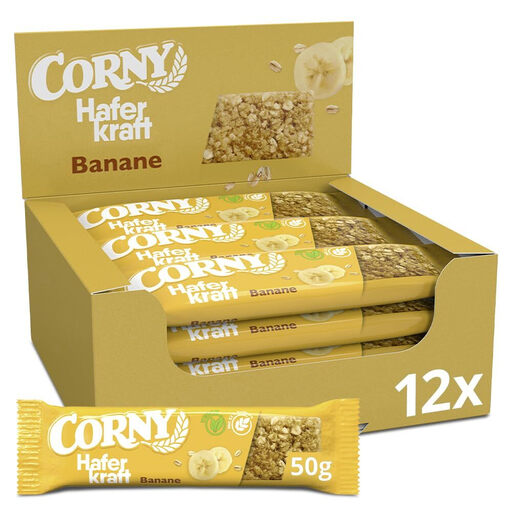
Why this product fits the profile: The 12-pack with 50 g bars each is aimed at consumers who need bars regularly for on the go, the office or the family. The recipe contains 50% wholegrain oat flakes and banana components.
The portion is clearly stated as 50 g. The bar does not have a chocolate coating, making it more practical for transport in warmer temperatures.
12 individual bars, 193 kcal per 50 g bar and 3.5 g protein per portion according to the product information.
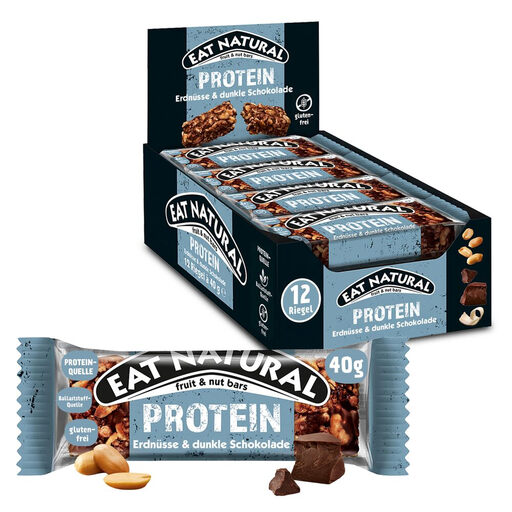
Why this product fits the profile: The recipe lists 49.5% peanuts, 12% dark chocolate and 7.5% coconut. According to the product information, the bar is gluten-free and contains no artificial colours, flavours or preservatives.
The specific nut content is declared. At the same time, peanuts and soya are listed as allergens; possible traces of other nuts and milk should be considered before purchase.
19.5 g protein and 0.259 g salt per 100 g according to product data; 12 individually portioned 40 g bars.
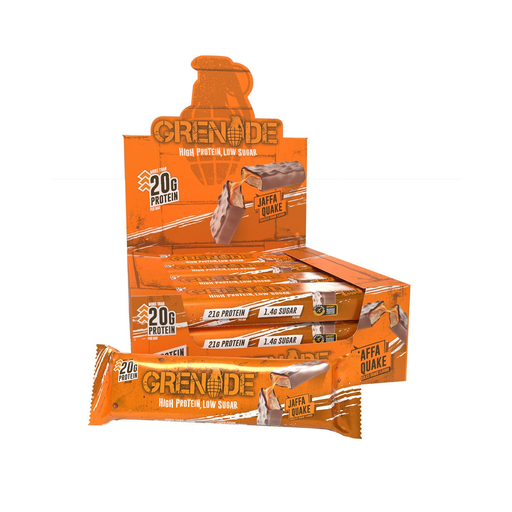
Why this product fits the profile: This bar is designed for a protein-rich diet and is offered in a 12-pack with 60 g portions. The recipe contains milk and soya protein as well as sweeteners.
The labelling explicitly indicates more than 10 g of polyols per 100 g. For those with a sensitive digestion and when consuming larger quantities, the relevant warning should be heeded.
Protein and fibre claims according to the product description, 12 individual bars and several flavour variants within the product range.
We have compiled a complete, regularly updated list of products that fully meet these strict selection criteria and the safety regulations in force in the EU.
That depends on the composition and the rest of the meal. Many bars contain between around 25 and 60 g of carbohydrates per 100 g, providing mainly energy. For a more complete breakfast, you can add natural yoghurt, quark or a plant-based alternative, as well as fruit. The information on the packaging should form the basis for choosing your portion.
The best-before date is printed on the packaging. Unopened bars should be stored in a dry, cool place away from heat, according to the manufacturer’s instructions. Once individual wrappers are opened, we recommend eating them promptly, especially for products with fruit filling or a delicate chocolate coating.
No. “Sugar-free”, “no added sugar” and “reduced sugar” are different claims. Check the legally used labelling, the ingredients list and the “of which sugars” value. For sweeteners such as maltitol, you should also consider the relevant information on tolerance.