
Lieferung heute & morgen

Qualitätsgarantie

Willkommens-Angebote freischalten: KOSTENLOSE Lieferung | Bis zu 80 % RABATT | Kostenlose 30-Tage-JoyPlus-Testphase
App herunterladen
Cereal bars are conveniently portioned, have a long shelf life and are ready to eat without any preparation. Even so, not every cereal bar is right for every occasion. A sweet chocolate cereal bar can be practical for a school bag, while a protein-rich bar is more likely to be chosen after exercise. Families often look for individually wrapped portions and clear allergen information, while working people tend to prioritise multipacks and easy storage.
The label no added sugar does not automatically mean that a product contains no sugar. Ingredients such as fruit juice concentrate, milk ingredients or cereals may still contribute to the sugar content. When sweeteners such as maltitol or erythritol are used, the relevant nutrition table is also crucial. Checking “of which sugars”, polyols and the ingredients list helps you avoid unsuitable purchases.
A stated wholegrain content is a specific parameter, but it does not replace checking the rest of the recipe. For example, a bar may contain wholegrain flakes while also providing relatively high amounts of chocolate, syrup or sugar. You should therefore compare wholegrain content, sugar, fat and portion size together.
A multipack of cereal bars is often convenient per bar, but it is not automatically cheaper. Work out the price per 100 g or per individual bar. Large multipacks are particularly worthwhile if the bars are eaten regularly and can be stored in a dry place away from heat.
Ingredients are listed in descending order by weight. Anyone who needs to avoid oats, nuts, milk or certain types of cereal should read the allergen information in full. Many products contain gluten, milk, soya, peanuts or tree nuts. Statements such as “May contain traces” refer to possible unintended traces and should be taken seriously if you have an allergy.
Comparing values per 100 g makes different bar sizes easier to assess. For everyday use, the information per portion is also helpful. A 20-g bar and a 50-g bar may make a noticeably different contribution to your daily energy intake, even when their values per 100 g are similar.
Pay particular attention to:
Individually wrapped snack bars for eating on the go remain hygienic and are easy to portion in a rucksack or desk drawer. Individual products may carry additional consumption guidance for children under three. The manufacturer’s printed instructions are decisive; for the HiPP product offered, for example, supervision while eating from twelve months is recommended.
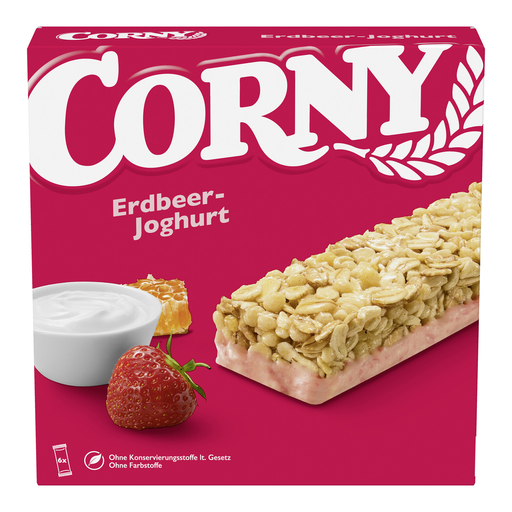
Why this product fits the profile: The pack contains six individually portioned 25-g bars, making it suitable for school, the office or short breaks.
The stated wholegrain flake content is 22%. The nutritional information states 22.9 g of sugar per 100 g, making the sweet recipe transparent.
6 x 25 g, 450 kcal per 100 g and clear labelling of gluten and milk ingredients.
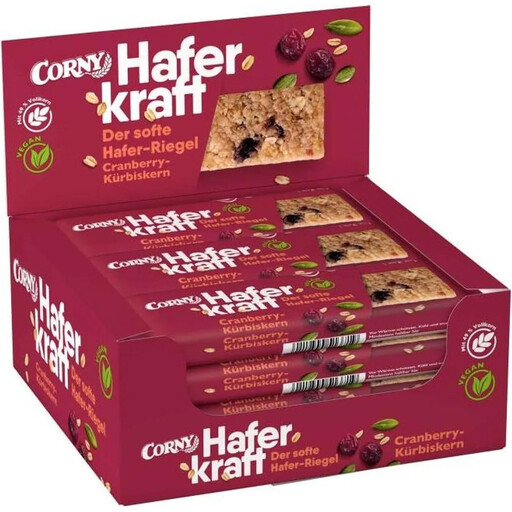
Why this product fits the profile: The plant-based recipe and high oat content appeal to shoppers who carefully compare ingredients with the intended use.
The product information states 48% wholegrain oat flakes and a vegan recipe. At the same time, the sugar content of 24.7 g per 100 g remains clear.
12 x 50 g, vegan according to the product information, without a chocolate coating and with 0.17 g of salt per 100 g.
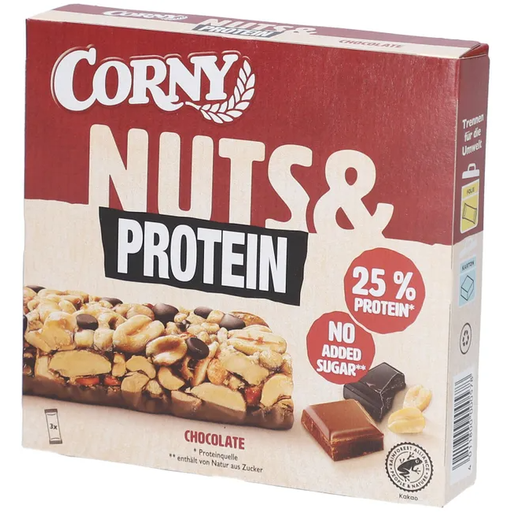
Why this product fits the profile: This bar is aimed at athletes and active shoppers looking for a higher protein content and small individual portions.
The “no added sugar” claim is supported by specific values: 27 g of protein and 4.5 g of sugar per 100 g. Maltitol is listed as a sweetener.
3 x 35 g, 27 g of protein per 100 g, plus peanut and soya ingredients according to the ingredients list.
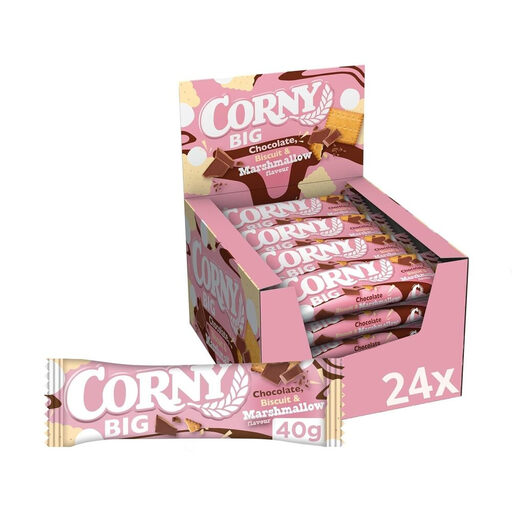
Why this product fits the profile: The 24 individually wrapped bars are suitable for households, offices, school trips or regular snack breaks.
The multipack is easy to assess thanks to the clear 40-g portion size and nutritional values per 100 g. The sugar content is 31.1 g per 100 g.
24 x 40 g, 960 g in total, with cocoa crisp cereal, milk chocolate and wholegrain barley flakes.
We have put together a complete, regularly updated list of products that fully meet these strict selection criteria and the safety regulations applicable in the EU.
If you are looking for low-sugar bars, you should not focus solely on the front of the packaging. Corny Free Chocolate, for example, contains 2.4 g of sugar per 100 g but uses maltitol. With vegan cereal bars, check for milk ingredients and possible trace warnings. Fruit bars may also contain significant amounts of sugar due to fruit juice concentrate. A chocolate cereal bar should therefore not automatically be treated as equivalent to a balanced breakfast.
Protein bars also vary considerably: according to the product information, Frankonia CHOCOLAT POWER MOTION provides 30 g of protein per 100 g, but it is a chocolate product rather than a classic cereal bar. The intended use, portion size, ingredients and nutritional values should therefore all be considered when making your choice.
Individually wrapped bars are easy to carry in a lunchbox or rucksack. Parents should check the ingredients, allergens, portion size and sugar content for children. Cereal bars are a snack and do not automatically replace a balanced meal.
The best-before date on the packaging is the key reference. Unopened bars should be stored in a dry, cool place away from direct heat. Once opened, they should ideally be eaten promptly, particularly if they contain softer or more moist ingredients.
A multipack can make stocking up easier if the bars are consumed regularly. Compare the price per 100 g and take storage space, the best-before date and the actual portion size into account. For occasional snacks, smaller packs are often easier to plan.