People stocking up for breaks
If you want to keep bars in your desk drawer or bag, compare packs by portion count and packaging format. For example, EDEKA sells a pack of eight individually wrapped bars, each weighing 25 g.


When choosing a mix of cereal bars for an afternoon break, start by picking the right portion size and flavours. If sugar, allergens or a particular diet are important to you, check each variety individually: you can’t tell what’s in a bar from the pack size alone.
If you want to keep bars in your desk drawer or bag, compare packs by portion count and packaging format. For example, EDEKA sells a pack of eight individually wrapped bars, each weighing 25 g.
If you want to check how a bar is sweetened, look beyond the flavour name at the ingredients and sugar content in the nutritional information. A no added sugar variety may contain sweeteners.
If you need to avoid certain ingredients or want a vegan option, check the labelling on each individual bar. The ingredients list and any may contain information matter more than the product category as a whole.
When stocking up for an afternoon break, first decide on the format and flavours you want. Then check that the sugar information and ingredients for each variety meet your needs.
| Criterion | What to check | Who it matters to |
|---|---|---|
| Individually wrapped bars and pack size | The number and weight of the bars, and whether they’re individually wrapped. | I want to pop bars straight into my bag and have enough for several breaks. This format is the top priority for around 27% of consumers. |
| Flavour and variety | The flavour name and main ingredients of each variety in the mix. | If I often reach for a bar with my afternoon coffee, I want to switch between flavours. Around 27% of consumers choose primarily based on taste and variety. |
| Sugar and sweeteners | Sugar per 100 g and, where stated, per bar, as well as the ingredients list. | Front-of-pack claims aren’t enough if I want to compare sugar content and how the bars are sweetened. This is the most important buying criterion for around 20% of consumers. |
| Allergens and dietary requirements | Ingredients, allergen and may contain information, and any required product labelling. | If I have an allergy or specific ingredient requirements, the individual variety needs to be suitable, not just taste good. Around 26% of consumers put these checks first. |
The claim alone doesn’t tell you how much sugar is in the finished bar. One GUT&GÜNSTIG variety labelled this way lists maltitol in its ingredients.
Compare the sugar content per 100 g and, if stated, per bar in the nutritional information. Also read the ingredients list: the consumer advice centre lists syrups and fruit juice among ingredients used to sweeten foods.
Flavour names don’t show all the ingredients or possible traces. An EDEKA peanut bar lists other allergens and possible traces in addition to peanuts.
If you have an allergy or intolerance, check the ingredients and may contain information on the specific pack before buying and eating it.
Product information on a shop’s website may differ from what’s on the packaging. ALDI SÜD notes that the nutritional information for one of its peanut bars may vary between suppliers.
Use online information to help narrow down your choices, then check any important ingredient and allergen details against the pack you actually receive.
The following ranges include different varieties of cereal bars. When choosing a particular bar, always check its ingredients and nutritional information.
A cereal bar brand with chocolate, milk, oat and nut varieties, as well as other options in the range listed by REWE.
EDEKA’s own brand of cereal bars, sold in packs of eight bars at 25 g each, including chocolate and peanut varieties.
ALDI SÜD’s own brand, with listed cereal bars in an 8 × 25 g format, as well as other oat and nut bars.
This Joybuy selection includes Haferkraft bars, a filled cereal bar, a strawberry yoghurt variety and a chocolate option labelled ‘No Added Sugar’. Compare portion size, flavour and ingredients. If you want each bar to be individually wrapped, check the packaging format before buying.
 No image available
A peanut and oat flavour for your stash of break-time snacks. The product name states that the pack contains twelve bars at 50 g each. Check the pack labelling if you have any ingredient or allergen requirements.
 No image available
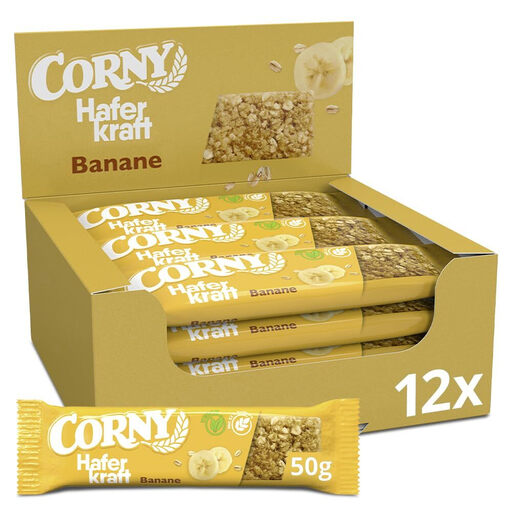
A banana and oat flavour for your break. The pack information states that it contains twelve bars at 50 g each. If you’re keeping an eye on sugar, compare the nutritional information and ingredients.
 No image available
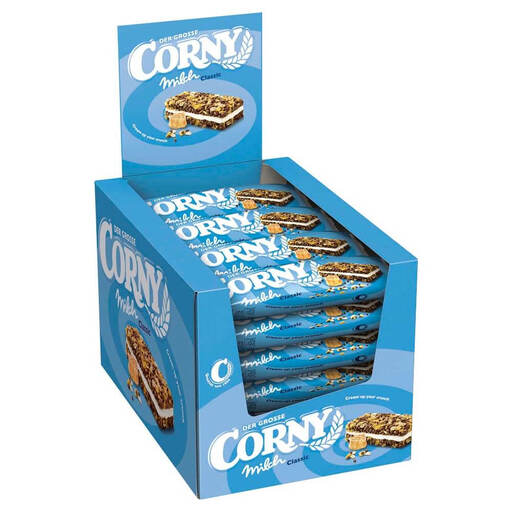
A filled cereal bar for anyone putting together a larger stash for breaks. The product name states that the pack contains 24 bars at 40 g each. If you have requirements around milk or cereals, check the ingredients list.
 No image available
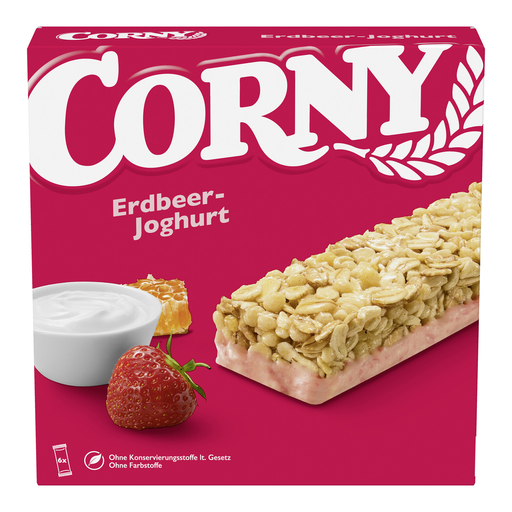
A smaller bar portion for a strawberry yoghurt-flavoured break. The product name states that the pack contains six bars at 25 g each. Check the ingredients and nutritional information for this specific variety.
 No image available
A chocolate option for anyone who wants to compare how a bar is sweetened before buying. The product name states that the pack contains six bars at 20 g each. Check the sugar content, ingredients and individual wrapping on the pack.
Check the ingredients list and any may contain information on the specific pack. The Federal Office of Consumer Protection and Food Safety explains that the 14 main substances or products that cause allergies or intolerances must be listed in the ingredients.
No. ‘No added sugar’ doesn’t mean that a cereal bar is sugar-free. Compare the sugar content in the nutritional information and read the ingredients list; for example, one EDEKA variety labelled this way contains maltitol.
Online information can help you narrow down your choices, but if particular ingredients or allergens matter, check the pack you receive. EDEKA notes on its product pages that the information may differ from the packaging.
Follow the storage instructions and check the best-before date on each pack. The Federal Office of Consumer Protection and Food Safety explains that this date indicates how long a food will retain its specific qualities when stored correctly.