People who need to follow a strict gluten-free diet
If you need to avoid gluten because of coeliac disease, look for an explicit ‘gluten-free’ label on a cereal bar. The fact that it contains oats does not, by itself, answer this question.


Choose cereal bars for football night based on what a guest needs to avoid, rather than relying on a general ‘free-from’ label. For coeliac disease, look for an explicit ‘gluten-free’ label. If someone has an allergy to milk, peanuts, tree nuts or sesame, check the details for the specific variety. Vegan or gluten-free does not mean a bar is suitable for every other dietary requirement.
If you need to avoid gluten because of coeliac disease, look for an explicit ‘gluten-free’ label on a cereal bar. The fact that it contains oats does not, by itself, answer this question.
If someone has an allergy to peanuts, tree nuts, sesame or milk, for example, check the information on the specific pack. Ingredients and ‘may contain’ statements should be considered separately.
If you’re choosing vegan snacks, the label on the specific variety is a useful starting point. If the bar also needs to be gluten-free or exclude a particular allergen, check those requirements separately.
Before choosing, find out which ingredient or substance the person eating the bar needs to avoid. Then check each variety individually, especially if several guests have different requirements.
| Requirement | What to check | Who it matters to |
|---|---|---|
| Avoid gluten completely | Look for an explicit ‘gluten-free’ label on the finished product, including oat bars. The Verbraucherzentrale (German consumer advice centre) states that the maximum gluten content is 20 mg per kg of food. | If I’m choosing a bar because of coeliac disease, oats as the main ingredient aren’t enough to guide me. Around 34% of consumers put strict gluten avoidance first when choosing for this occasion. |
| Avoid a specific allergen | Look for the substance in question in the ingredients list and allergen information. If possible cross-contact is a concern, check the ‘may contain’ statement too. | If I have a peanut, tree nut, sesame or milk allergy, I want to know exactly what’s in the variety I choose. For around 33% of consumers, a specific allergen like this is the main concern. |
| Choose vegan or dairy-free | Check the vegan label and the ingredients of the specific variety. If you have a milk allergy, also consider possible traces; vegan and lactose-free are not the same thing. | If the snack needs to be plant-based or contain no milk ingredients in its recipe, I need information about the specific variety. Around 20% of consumers prioritise this requirement. |
| Provide snacks for several guests | Keep varieties separate and retain their packaging with the ingredients information until they’re ready to eat. | If no particular restriction takes priority for the group, I want to hand out bars easily without mixing up varieties with different labels. For around 13% of consumers, this practical approach is the main concern. |
The label refers to gluten; it does not automatically mean the product is free from peanuts, tree nuts or other allergens. For example, according to EDEKA, its gluten-free EDEKA Bio Crunchy Nut Mix Bar contains peanuts and almonds.
Identify what needs to be avoided, then carefully check the ingredients and allergen information for that specific bar.
The presence of oats alone doesn’t tell you whether the finished bar is suitable for a strict gluten-free diet. What matters is the label on the finished product.
If you have coeliac disease, look for ‘gluten-free’ on the current packaging rather than relying on terms such as ‘oat’ or ‘muesli’.
If the bars are all in the same bowl, guests can no longer reliably tell which variety is which or check the ingredients. EDEKA lists different allergenic ingredients and possible traces for its Nut Mix and Sesame bars.
Keep the varieties separate and leave their packaging where guests can check it.
Product pages are useful when you’re choosing what to buy, but before eating, check the information on the pack you actually have.
Read the ingredients, allergen information and, where relevant, ‘may contain’ statements again for every variety you’ve bought.
A brand name alone doesn’t tell you which allergens a particular variety contains. These examples show why it’s important to check the labelling on each product when you shop.
REWE labels its Organic Oat Fruit Bar as gluten-free and vegan.
REWE includes the Schär Cereal Bar 25 g in its range of gluten-free cereal bars.
REWE lists a MadeGood Organic Chocolate Chip Granola Bar in its range of gluten-free cereal bars.
EDEKA describes its Organic Crunchy Nut Mix and Sesame bars as gluten-free and lactose-free.
ALDI SÜD sells a range of products under the GOLDEN BRIDGE brand, including oat bars, peanut cereal bars and nut bars.
These bars could work as individually portioned snacks for half-time. This selection is not a guarantee that they’re suitable for a gluten-free diet or a particular allergy: before serving, check the packaging for each variety and keep bars for guests with different requirements separate.
 No image available
The 12-pack shown in the product title could be handy when you’re catering for several guests. According to the product information, this variety contains peanuts and gluten-containing oats; it may also contain traces of nuts and milk. Check the current packaging if anyone needs to avoid any of these.
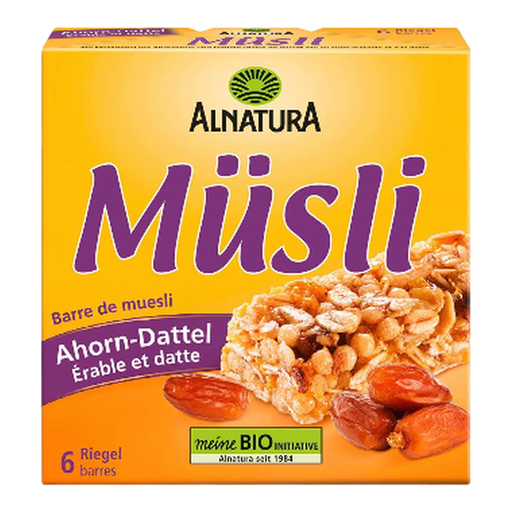 No image available
The six-pack shown in the product title is handy for putting out individual bars. According to the product information, this variety contains gluten-containing cereals and may also contain traces of milk and tree nuts. If anyone needs to avoid these, don’t choose it without checking the current packaging.
 No image available
This flapjack, listed in the product title as a 60 g bar, is an option for an individual half-time snack. According to the product information, it contains gluten-containing oats and may contain traces of egg, milk, sesame, soya and nuts. Check this against the current packaging and the requirements of the person eating it.
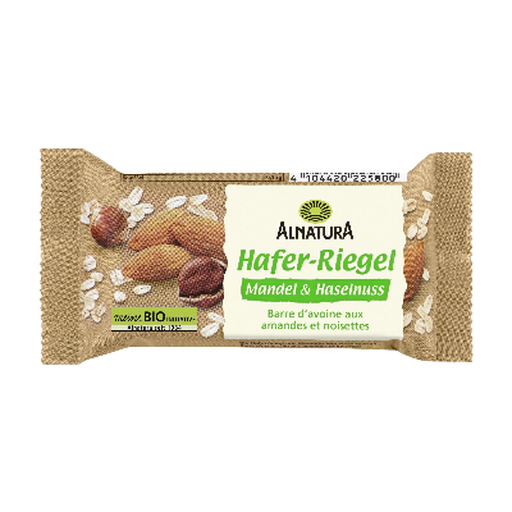 No image available
This flapjack, listed in the product title as a 60 g bar, could be an option for guests who don’t need to avoid almonds or hazelnuts. According to the product information, it contains both tree nuts and gluten-containing oats; possible traces of other allergens are also listed. Keep it separate if guests have different requirements, and check the packaging.
 No image available
If you’re looking for an oat and cocoa bar for half-time, you can assess this variety by checking the current packaging. According to the product information, you should be aware that it may contain traces of nuts, peanuts and milk. Check the pack size before buying too, and don’t assume that oats mean the product is labelled gluten-free.
No. The fact that a bar contains oats isn’t enough to make it a suitable choice. Look for ‘gluten-free’ on the finished bar. The Verbraucherzentrale explains that foods labelled this way can contain no more than 20 mg of gluten per kg.
A vegan label alone doesn’t settle the question for someone with a milk allergy. Check the ingredients and, where relevant, any warnings about possible traces of milk on the specific pack.
A ‘may contain’ statement warns that accidental contact with the named allergen is possible. Lebensmittelklarheit distinguishes these statements from the mandatory labelling of allergenic ingredients deliberately added to a product. If you also need to avoid possible cross-contact, take the warning into account when choosing.
Online shop information is helpful when narrowing down your choices, but check the packs you’ve actually bought before serving the bars. This lets you match the ingredients and allergen information to each variety and keep the packaging handy in case anyone has questions during football night.