
Lieferung heute & morgen

Qualitätsgarantie

Willkommens-Angebote freischalten: KOSTENLOSE Lieferung | Bis zu 80 % RABATT | Kostenlose 30-Tage-JoyPlus-Testphase
App herunterladen
If you want to buy cereal bars online, you will quickly find a wide selection. However, oat bars, cereal bars, protein bars, nut bars and classic chocolate bars can differ considerably in terms of ingredients, portion size and pack size. For families, working professionals, schoolchildren, athletes and vending machine operators, taste is not the only consideration. Before buying, you should also check the label, allergens, shelf life and price per bar.
A bar with no added household sugar may still contain sugar or other carbohydrates. Glucose syrup, glucose-fructose syrup, honey, fruit juice concentrate and milk ingredients all affect the nutritional values. Products containing maltitol or other sweeteners should also carry a warning: excessive consumption may have a laxative effect.
If you are looking for low-sugar or sugar-free bars, you should therefore compare the values for “carbohydrate” and “of which sugars” per 100 g and per portion. “No added sugar” does not necessarily describe a completely sugar-free bar.
A bulk pack of sweets may appear inexpensive at first glance. However, the key figures are the price per 100 g or per individual bar. A pack containing 24 small bars may be more practical for everyday use than a few large bars, while a bulk pack for an office, kiosk or vending machine reduces the need for frequent replenishment.
Before buying, you should also check whether the bars are individually wrapped. This makes them easier to store in a snack box, school bag or vending machine.
A bar containing oats or wholegrain ingredients may also contain a high amount of syrup, chocolate or fat. The ingredient listed first is the one present in the greatest quantity. Comparing the wholegrain content, nuts, chocolate content and sweeteners gives you a more reliable picture than the product name alone.
The portion sizes of the products listed range from around 20 to 55 g. This makes both sets of figures relevant. A protein bar containing 16 g of protein per 55 g bar should be assessed differently from a product containing 25 g of protein per 100 g. For a fair comparison, follow these steps:
The nutritional information on the product page and packaging is authoritative. Recipes may change.
In nut bars such as BE-KIND or Eat Natural, peanuts, almonds or pecans are key ingredients. Protein bars often contain milk, soya or whey protein. Classic cereal bars such as Corny Big Marshmallow or Corny Haferkraft contain cereals with gluten, depending on the variety.
If you need gluten-free bars, check the specific labelling for the product in question. The same applies in cases of allergies: statements such as “May contain traces of nuts” do not mean that the recipe is allergen-free.
For everyday needs, packs containing six to twelve bars are suitable. A bulk pack of cereal bars containing 24 items may be more practical for families, offices, kiosks or vending machines. Pay attention to:
Bars with a chocolate coating may melt in warm conditions. An uncoated oat bar such as Corny Haferkraft Banana is more practical in this respect for warm days or outdoor activities.
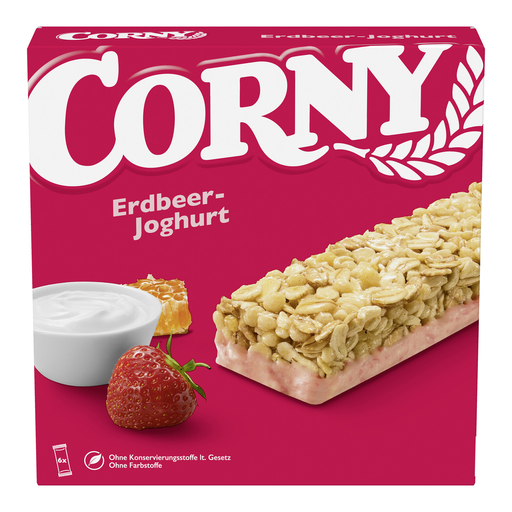
Why this product suits the profile: The pack of six 25 g bars is ideal for trying a new flavour or enjoying the occasional snack at school or in the office.
The portion size is clearly stated. With 22% wholegrain flakes and 22.9 g of sugar per 100 g, the recipe can be assessed objectively.
Six individually wrapped 25 g bars, 450 kcal and 6.8 g of protein per 100 g according to the product information.
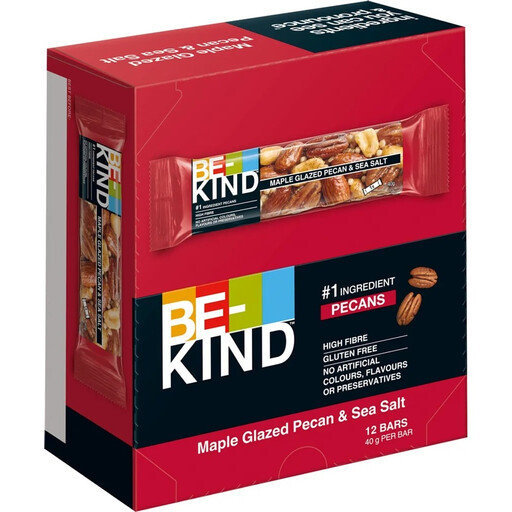
Why this product suits the profile: The stated nut content of 74% and gluten-free product profile appeal to shoppers who compare ingredient lists carefully.
The nut mixture is clearly declared, while the product information also highlights possible traces of milk and other nuts.
12 bars weighing 40 g each, 14 g of protein and 12 g of sugar per 100 g according to the product information.
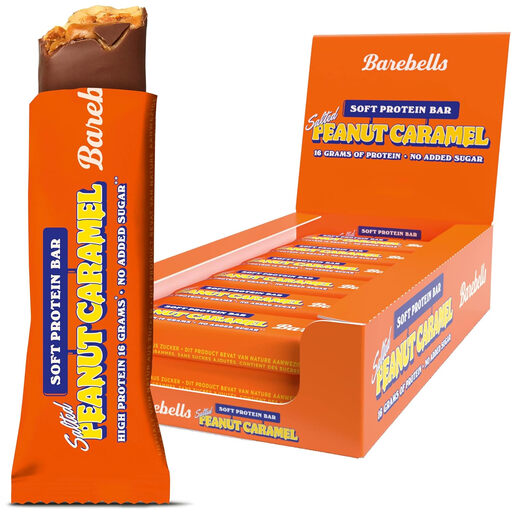
Why this product suits the profile: According to the product information, the 55 g bar provides 16 g of protein and is easy to take with you as an individual snack after training or during the working day.
The protein content is stated both per 100 g and per bar. If sweeteners are present, pay attention to the warning about a possible laxative effect.
12 individually wrapped bars, 2.1 g of sugar and 16 g of protein per 55 g bar according to the product information.
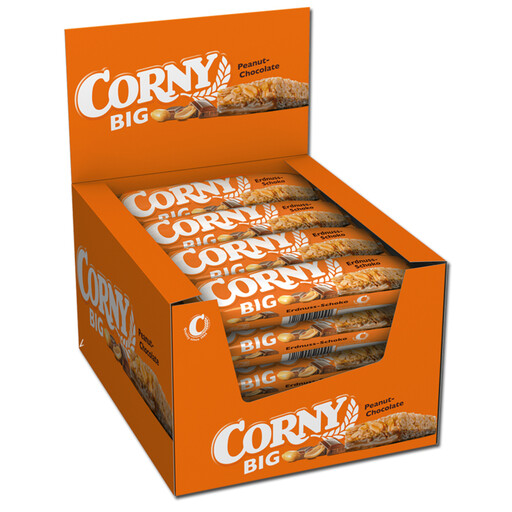
Why this product suits the profile: The pack of 24 individually wrapped bars is suitable for families, offices, kiosks and vending machines.
The total pack size of 24 × 50 g and the ingredient proportions of 24% peanuts and 20% milk chocolate are stated transparently.
Retail-ready bulk pack, 10.2 g of protein and 30.2 g of sugar per 100 g according to the product information.
We have compiled a complete, regularly updated list of products that fully meet these strict selection criteria and the safety regulations applicable in the EU.
Individually wrapped bars with sturdy packaging are practical when you are out and about. In warm temperatures, uncoated oat bars can offer advantages because chocolate is less likely to melt. For school, the office or hiking trips, you should also make sure the individual weight is suitable for your snack box.
The specific best-before date is printed on the packaging. Unopened bars should be stored in a dry, cool place away from direct sunlight. Exposure to heat or moisture can affect the texture and flavour, even if the date has not yet been reached.
A bulk pack is worthwhile if the contents will be used regularly and the price per bar is lower than that of individual packs. For a small household, expected consumption should be weighed against the product’s shelf life. Businesses, kiosks and vending machine operators also benefit from consistently portioned, individually wrapped units.