Individually packed cereal is especially handy for taking with you and keeping different varieties separate. If you’d rather choose the quantity and combination yourself, you can portion flakes or muesli from a larger pack. For a toddler’s breakfast, the ingredients, sugar content, allergens and texture matter more than the packaging in either case; an individual pack doesn’t indicate a suitable serving size for a particular age.
Who is this decision relevant to?
Parents weighing up ingredients and sweetness
If cereal is often on the breakfast table, you’ll want to check the ingredients and sugar content, and decide how much to serve. The Federal Institute of Public Health recommends taking a considered approach to sweetened breakfast cereal for toddlers.
Families who need portable portions
Separate packs of dry cereal can be handy for nursery, travel or a rushed morning. Kellogg's Germany describes Variety as a selection of individually packed cereals; you should still check the ingredients of each variety separately.
Parents checking allergens and texture
Check the packaging for gluten-containing cereals and other allergens. If a mix contains whole nuts, seeds or other hard pieces, you’ll also need to make sure the texture is suitable for your child. If your child has a diagnosed allergy or intolerance, follow the specific advice of a healthcare professional.
What should you look for when buying?
First, decide whether individual packs would be useful in your day-to-day routine. Then compare the ingredients of each variety you’re considering and think about how you’d serve it to your child.
Individually packed cereal
Useful if: You want to take a dry portion with you or keep several varieties separate. Kellogg's Germany confirms that Variety comes in individual packs.
Bear in mind: The pack format doesn’t tell you how much is suitable for a toddler, or what ingredients and allergens each variety contains.
Flakes or muesli you portion yourself
Useful if: You want to choose the quantity and combination yourself when serving, and don’t need individual packs.
Bear in mind: A mix you portion yourself still needs to be suitable for your child’s eating ability. Seitenbacher’s breakfast mix, for example, contains whole almonds; the Federal Institute of Public Health warns that small or hard foods can pose a choking risk.
| Criteria | What to check | Who it matters to |
|---|
| Sugar and ingredients |
Compare the sugar per 100 g and in the amount you’ll actually serve. Check the ingredients list as well as the information on the front of the pack. |
If cereal is a regular part of breakfast, I want to assess what’s in it rather than rely on a single marketing claim. Around 42% of consumers put this concern first. |
| Allergens and texture |
Check the current ingredients and allergen information, as well as any whole nuts, seeds or other hard pieces. |
If there are known intolerances or chewing is still difficult, I need to pay close attention to the ingredients and texture. For around 33% of consumers, this check takes priority. |
| Pack format |
Look for an explicit statement that the cereal is individually packed; a serving size in the nutrition table doesn’t confirm this format. |
When we’re out and about, I want to be able to take dry cereal in separate packs. Around 25% of consumers put this practical consideration first. |
Common misconceptions
-
An individual pack is automatically a child-sized portion
A pre-packed unit and a serving size used for nutrition information don’t determine how much is right for a particular toddler.
Decide how much to serve at mealtime, taking into account what else is on the plate.
-
‘Wholegrain’ or ‘no added sugar’ answers every dietary question
A single claim doesn’t tell you everything about a product’s ingredients. Nestlé Cerealien Deutschland, for example, states that Cini Minis contain wholegrain and also have 24 g of sugar per 100 g.
Compare the full ingredients lists and nutrition information for the specific products instead of judging the whole product on the basis of a claim on the front of the pack.
-
Serving whole nuts and seeds without checking
The Federal Institute of Public Health notes that toddlers can easily choke on small or hard foods such as nuts and seeds. Seitenbacher’s organic breakfast mix contains whole almonds.
Check the pieces before serving and don’t offer hard ingredients without preparing them first; adjust the texture to suit your child.
-
Assuming all cereal contains gluten, or none of it does
Whether a cereal contains gluten depends on its ingredients. The category name alone won’t tell you.
Read the current ingredients and allergen information for each variety. If a gluten-free diet is medically necessary, choose products based on the specific information on the pack and the advice of a healthcare professional.
Brands to consider
The examples below show different ingredients and pack formats. Information about one product doesn’t automatically apply to every cereal from the same brand.
Kellogg's
Kellogg's Germany describes Variety as a selection of individually packed cereals made from maize, rice and wheat.
- This product is explicitly stated to come in individual packs.
- The ingredients include sugar and gluten-containing cereals, among other things; the product information also mentions possible traces of other allergens. Check the labelling for each variety.
Nestlé Cerealien / Cini Minis
Cini Minis are a cinnamon cereal option; the information for this product doesn’t indicate that it comes in individual packs.
- Nestlé Cerealien Deutschland states that Cini Minis contain 33% wholegrain and provides nutrition information per 100 g.
- The manufacturer states that they contain 24 g of sugar per 100 g. Wheat, barley malt extract and warnings about possible contact with other allergens are also worth checking as part of your ingredients review.
Seitenbacher
Seitenbacher’s organic breakfast mix is an example of muesli that you portion yourself.
- Seitenbacher lists wholegrain oats, wholegrain wheat and barley as ingredients in the mix.
- It also contains whole almonds and raisins. When serving it to a toddler, pay particular attention to the texture of the pieces.
Joybuy products in both pack formats
This selection includes individually packed cereal for taking with you, as well as cornflakes in a larger pack that you can portion yourself. For a toddler’s breakfast, check the information on the specific pack; the product name and pack size alone don’t tell you whether it’s suitable for a particular child.
 No image available
Alnatura organic unsweetened cornflakes, 300 g
For households that want to portion cornflakes themselves: this pack contains 300 g, rather than individual portions. Before choosing, check the latest ingredients and allergen information, and make sure the texture is suitable before serving.
View on Joybuy
 No image available
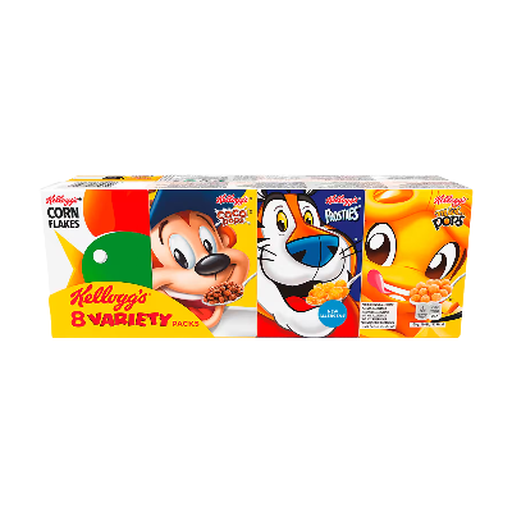
Kellogg's Variety cereal, 8-pack, 205 g
If you want separate packs of cereal to take with you, Variety could be a suitable option. The 8-pack contains 205 g in total; check the ingredients, allergens and sugar content of the varieties included, and decide how much to serve your child at mealtime.
View on Joybuy
 No image available
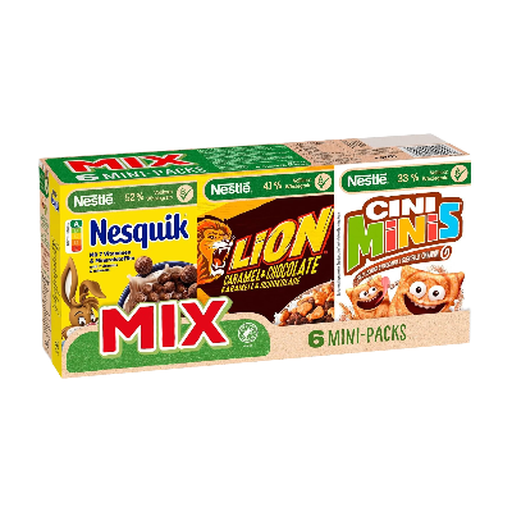
Nestlé Cereal Variety Mini Pack, 200 g
This Variety format is another option if you’re looking for smaller, separate packs; the total pack contents weigh 200 g. Check the ingredients, nutrition information and allergen warnings for each variety, as well as how much you actually want to serve.
View on Joybuy
Frequently asked questions
Are sweet breakfast cereals a good everyday choice for toddlers?
Sweetened breakfast cereal shouldn’t automatically become an everyday staple. The Federal Institute of Public Health recommends options for toddlers including homemade muesli made with wholegrain flakes, or a ready-made mix with no added sugar. It also advises avoiding sugary breakfast cereal or offering it only in smaller amounts. Check the ingredients of the specific product.
Does the cereal packaging have to identify gluten-containing cereals?
If a pre-packed food contains ingredients that must be labelled as allergens, such as gluten-containing cereals, the relevant allergen information must be provided. The European Commission explains this requirement; it doesn’t mean that every type of cereal contains gluten. Always check the label on the specific pack.
Can I serve muesli with nuts and seeds to a toddler?
The form of the ingredients matters: whole nuts and small, hard seeds shouldn’t be served without adapting them first. The Federal Institute of Public Health warns of the choking risk posed by these foods. Check the mix and adjust its texture to suit your child’s eating ability.
Is the amount in an individual pack a serving recommendation for my child?
No. An individual pack describes the packaging format, while the gram amounts used for nutrition information may simply be reference values; neither determines an individual serving size for a toddler. Decide how much to serve based on your child and the rest of the meal.


