
Lieferung heute & morgen

Qualitätsgarantie

Willkommens-Angebote freischalten: KOSTENLOSE Lieferung | Bis zu 80 % RABATT | Kostenlose 30-Tage-JoyPlus-Testphase
App herunterladen
Cereal bars and protein bars may look similar at first glance: they’re individually wrapped, easy to carry and available in a wide range of flavours. However, their nutritional values and ingredients can differ considerably. A bar with “protein” on the front may contain relatively little protein, while a product with no added sugar may still contain sweeteners and plenty of calories.
To choose the right bar, don’t focus on flavour or brand name alone. The nutrition table, ingredients list, portion size and intended use all matter.
A cereal bar with oats and chocolate isn’t necessarily high in protein. For comparison, the CORNY Milk Dark & White Cereal Sandwich Bar lists 7.0 g of protein per 100 g in its product information, while a 45 g CORNY Protein Cookie Crunch Bar contains 13.5 g of protein per 100 g. If you’re looking for a genuinely high-protein snack, the amount in each bar matters more than the product name.
Check:
A protein bar with no added sugar may still contain naturally occurring sugars. It may also contain maltitol, sorbitol, xylitol or sucralose. These affect the nutritional profile and, if consumed in excess, can have a laxative effect — particularly sugar alcohols.
According to its product information, the CORNY No Added Sugar Protein Bar contains 1.8 g of sugar and 12.2 g of polyols per 100 g. So when buying low-sugar bars, always check both figures: “of which sugars” and “polyols” or “sugar alcohols”.
A multipack of protein bars can reduce the cost per bar and is handy for keeping in the office, your gym bag or the family cupboard. But if you only eat them occasionally, a smaller pack may be more practical. Also check the best-before date and storage instructions. Chocolate and coatings can melt in warm weather, while cereal bars containing syrup or a soft filling may change texture if stored incorrectly.
For a snack on the go, protein isn’t the only thing to consider. Calories, fat, carbohydrates, sugar and salt may all be relevant. A bar containing 170 to 220 kcal may fit more easily between meals than a 100 g bar with a much higher energy content.
Use this simple checklist to help you compare:
Cereal bars often contain wheat, oats, barley, milk, soya, peanuts or nuts. Even products marketed as plant-based may contain traces of other allergens. The CORNY Haferkraft Cranberry Oat Bar is described as vegan, but its labelling states that it may contain traces of nuts, peanuts, egg, lupin, sesame and milk.
If you have an allergy, always rely on the current packaging. Recipes can change. If you have an intolerance to milk or soya, take particular care to check the ingredients list of protein bars containing milk and soya protein.
A bar after exercise can be a convenient addition to your usual diet, but it isn’t a substitute for a varied meal. Milk and whey protein have a different composition from plant-based protein sources. Some products also contain hydrolysed collagen, which is worth bearing in mind if you follow a vegetarian or vegan diet.
If you’re looking for vegan cereal bars, you’ll often find options made with oats, rice syrup, fruit or seeds. These bars aren’t automatically high in protein. If you’re keeping an eye on your protein intake, the nutrition table is what counts.
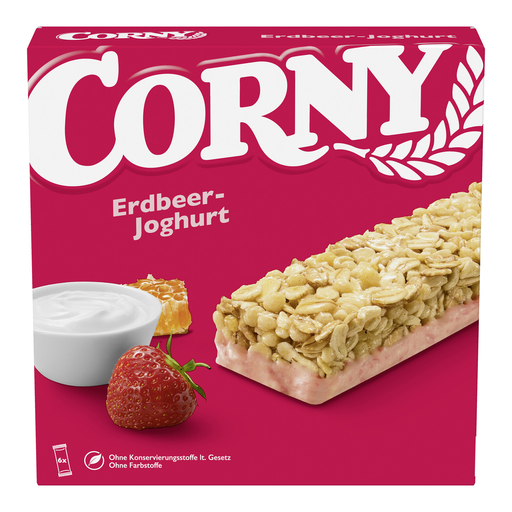
Why it suits this profile: The 25 g portions are ideal for a small snack at the office, at school or while you’re out and about. According to the product information, they contain 22% wholegrain cereal flakes.
The small portion makes it easy to keep track of how much you’re eating. Its protein content is listed as 6.8 g per 100 g, clearly distinguishing it from a protein bar.
6 x 25 g, fruity flavour and clearly listed gluten-containing cereal ingredients.

Why it suits this profile: According to the product information, each bar contains 14 g of protein and 1.5 g of sugar. The multipack contains 12 individually portioned bars.
The nutrition information is given per 45 g bar, making it easier to compare the portion you’ll actually eat with other products.
Pack of 12, 14 g of protein per bar and hazelnut nougat flavour; contains milk, soya, hazelnuts and collagen peptides.
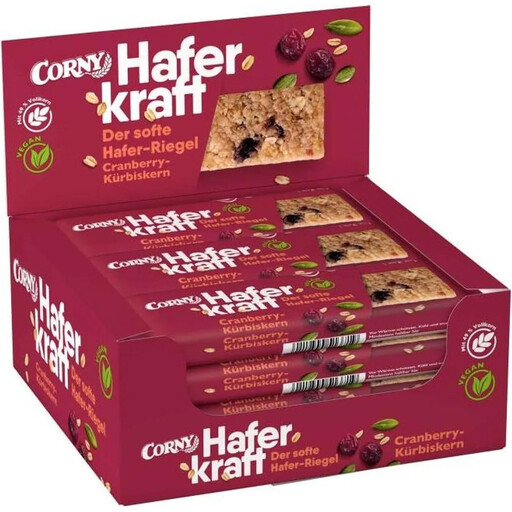
Why it suits this profile: This pack of 12 is designed for regular snacks on the go, hikes or keeping at work. The product is described as 100% vegan.
The product information lists its plant-based ingredients separately from possible traces of allergens. It contains 5.4 g of protein per 100 g.
12 x 50 g, oats as the main ingredient and a cranberry and pumpkin seed combination, with no chocolate coating.
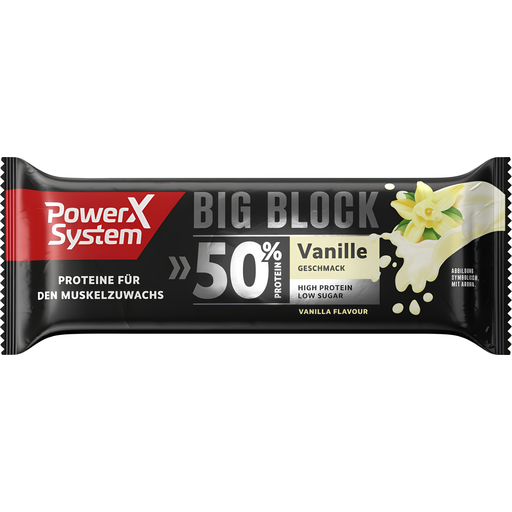
Why it suits this profile: According to the product information, this 100 g bar contains 50 g of protein and 2 g of sugar per 100 g. It’s aimed at people who prefer a larger serving of protein.
The larger portion size is clearly stated, so you’re less likely to mistake a small snack bar for a full serving of protein.
50 g of protein per 100 g according to the label, with a vanilla flavour and milk and soya protein.
We’ve put together a complete, regularly updated list of products that meet these strict selection criteria and fully comply with the safety regulations in force in the EU.
No. Protein bars are a convenient way to add protein to your day. They’re not a substitute for a balanced diet, nor are they medical or therapeutic products. Your personal needs, overall diet and portion size should guide your choice.
No. “No added sugar” means that no extra table sugar or similar sugar has been added. The product may still contain naturally occurring sugars. You should also check the polyol and total energy information.
The specific best-before date is shown on the packaging. Store unopened bars in a cool, dry place away from direct sunlight. Once opened, it’s best to eat them soon. Heat can affect the texture of products containing chocolate or a soft filling, but this doesn’t automatically change their nutritional values.