Households that get through the same variety regularly
If you eat the same variety on most weekdays, a larger single pack may be worth considering. The key is whether you’ll use it all and can store the opened pack somewhere dry.


For weekday breakfasts, a larger single pack can be a good choice if you regularly eat the same variety and store it somewhere dry once opened. A multipack requires a correspondingly high level of consumption and space to store it; if everyone has different preferences, individually wrapped varieties may be more suitable. Before buying in larger quantities, make sure the ingredients and allergens work for the whole family.
If you eat the same variety on most weekdays, a larger single pack may be worth considering. The key is whether you’ll use it all and can store the opened pack somewhere dry.
If not everyone likes the same cereals, a selection of varieties or individually wrapped portions may suit your breakfast routine better than a large supply of just one variety.
If you need to avoid certain grains or allergens, check the information on the specific pack first. Only then should the quantity you buy come into the decision.
When buying cereals, muesli and porridge oats for weekdays, the first thing to consider is which variety you’ll actually eat. You can then choose a pack size and ingredients to suit your household.
| What to consider | What to check when buying | Who it matters most to |
|---|---|---|
| Consumption and storage | Compare the pack size with your usual weekly consumption; consider whether you have space to store it and can keep it dry once opened. | If I eat the same variety on weekdays, I don’t want to stock up on more than I’ll use. Around 40% of consumers put predictable consumption first. |
| Choice of varieties | Check whether the pack contains individual sachets and whether everyone in your household will eat all the varieties. | When people around my breakfast table have different preferences, I need a choice of varieties rather than a large pack of just one. This is a priority for around 30% of consumers. |
| Ingredients and allergens | Read the nutrition information per 100 g and the ingredients list on the specific pack; check allergen and ‘may contain’ information. | If certain ingredients aren’t suitable for my household, I need to check before stocking up. This is the main consideration for around 30% of consumers. |
A multipack takes up more storage space and is only a good fit if you’re likely to get through all the packs. For example, Seitenbacher sells Bergsteiger Müsli in a box containing nine 750 g packs.
Work out how the total quantity compares with your usual weekly consumption before choosing a box rather than individual packs.
Wholegrain content and sugar are two different things: REWE lists Cini Minis as 33% wholegrain and containing 24 g of sugar per 100 g. The product page for Kellogg's Corn Flakes lists 8 g of sugar per 100 g.
Compare the nutrition information per 100 g for the varieties you’re actually considering, rather than drawing conclusions about the whole recipe from a single figure.
Depending on the variety, the products considered here contain, among other things, cereals containing gluten, peanuts, tree nuts or sesame. Nestlé Cereals also notes that Cini Minis may contain milk and nuts.
Before buying each variety, read the ingredients list and any ‘may contain’ information on the specific pack; recipes can change.
Cini Minis may suit households that regularly eat cinnamon-flavoured breakfast cereals; REWE lists a 625 g maxi pack.
There are two different formats to choose from: REWE lists Corn Flakes in a 500 g pack, while Kellogg's describes its Variety product as a selection of individually wrapped cereals.
If you’re looking for muesli rather than classic breakfast cereals, you can choose between individual packs and a box. Seitenbacher describes its Bergsteiger Müsli box as containing nine 750 g packs.
This Joybuy selection includes individual packs of muesli and oats, as well as a pack containing several cereal varieties. The right quantity depends on whether your household regularly eats the same variety or prefers a bit of choice.
 No image available
A single pack for households that regularly eat this crunchy muesli. If you have any ingredient or allergen requirements, check the information on the pack.
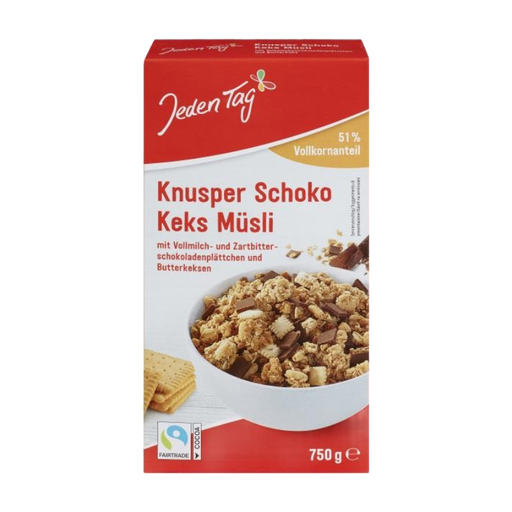 No image available
A larger single pack for households that regularly eat chocolate cookie crunchy muesli. Check the ingredients and allergen information on the specific pack.
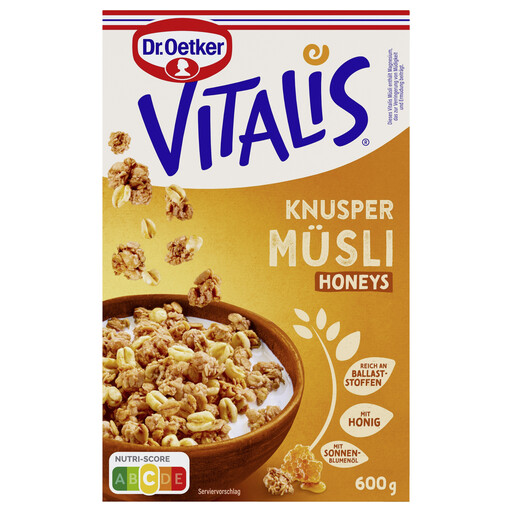 No image available
A single pack of honey crunchy muesli for regular breakfasts, without having to store the quantity in a multipack. Check the ingredients on the pack before buying.
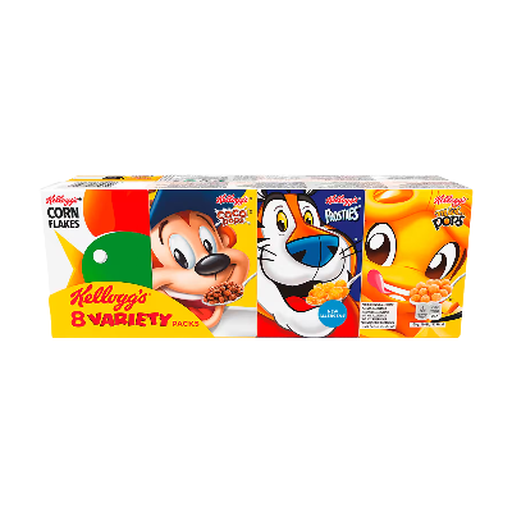 No image available
For households that like to switch between cereal varieties. The 8-pack contains 205 g in total and offers a selection of varieties, rather than a large supply of just one; check the ingredients in each variety.
 No image available
Oats for households planning weekday breakfasts around a single 500 g pack. They aren’t a muesli mix; always refer to the ingredients information on the pack.
No, the quantity needs to match how much you actually eat. A multipack is most practical when you’re likely to get through all the packs and have enough space to store them.
It depends on the portion size and how many people are eating from it. Divide the pack size by the amount you usually have for breakfast; the serving suggestion on the pack can help as a guide.
Read the ingredients list and any ‘may contain’ information on each specific pack. This also applies to variety packs, where the different cereals may have different ingredients; recipes can change.
No, it doesn’t replace checking the other nutrition information and ingredients. REWE lists Cini Minis as 33% wholegrain and also containing 24 g of sugar per 100 g, so compare the information per 100 g for the products you’re choosing between.