
Lieferung heute & morgen

Qualitätsgarantie

Willkommens-Angebote freischalten: KOSTENLOSE Lieferung | Bis zu 80 % RABATT | Kostenlose 30-Tage-JoyPlus-Testphase
App herunterladen
By Joybuy Product Recommendation Officer, July 22, 2026
A restful night's sleep is the foundation for an energetic day. Yet, many people wake up with tension in their neck and shoulder area. An unsuitable pillow is often the culprit. A cervical pillow is designed to hold your head and cervical spine in an ergonomically correct position to relieve muscle strain.
This article serves as your guide. We will introduce various pillow models and explain the key features to look for when making your selection. Our goal is to provide you with an informed basis for your purchasing decision.
Choosing the right pillow is a highly personal decision. Three key factors will help you find a model that suits your needs.
The way you sleep is a major factor in determining the shape and height of the pillow you need.
The fill material significantly influences the pillow's comfort, support, and breathability.
An ergonomic pillow often features a wave-like shape with two sides of different heights. This contour is designed to support the natural curve of the cervical spine. The correct height depends on your shoulder width and the firmness of your mattress. As a rule of thumb: the wider your shoulders and the firmer your mattress, the higher the pillow should be.
Here is a selection of different pillow models that cater to various needs and preferences.
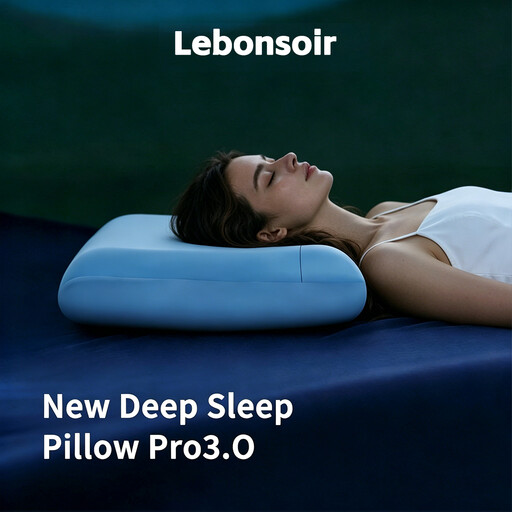
What makes it stand out: This orthopedic pillow features a 3-layer foam construction. The top layer of slow-rebound foam gently cradles the head and neck. The middle layer prevents you from sinking in too deeply, while the bottom layer provides a stable base. Its ergonomic contour is designed for various sleeping positions.
Pros:
Best for: Individuals looking for a contoured cervical spine pillow with firm yet adaptive support who value a thoughtful combination of materials.
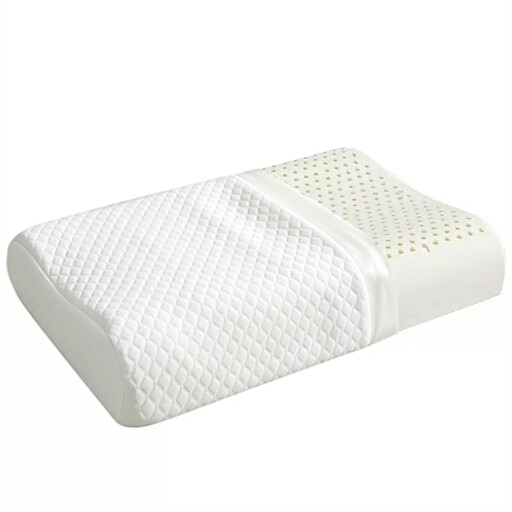
What makes it stand out: This pillow from JORDAN&JUDY is made of high-resilience latex. The material is known for its durability and bouncy support. Unlike memory foam, latex responds instantly to changes in movement without any delay. The ergonomic design aims to provide targeted neck support.
Pros:
Best for: Users who prefer a bouncy and responsive feel and are looking for an alternative to memory foam pillows. Especially suitable for people who tend to sleep hot.
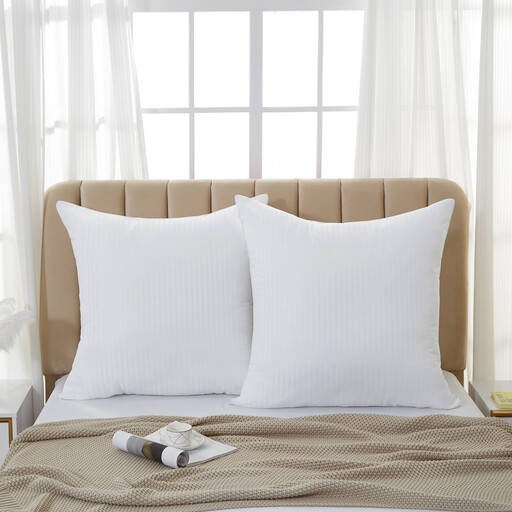
What makes it stand out: This pillow set offers traditional comfort in the classic 80x80 cm size. The down-alternative (microfiber) fill is soft and breathable. A special feature is the waterproof yet noiseless polyester microfiber cover, which protects the pillows from liquids and stains while being easy to care for.
Pros:
Best for: People who prefer the feel and shape of a traditional pillow and do not need a specially designed pillow for neck pain. Ideal for anyone who values easy care and hygiene.
Once you've ensured a restful night's sleep, you might want to enhance comfort in other areas of your life. For cozy hours on the balcony or patio, we also have the right solutions for you. Discover our selection of thick patio chair cushions to make your outdoor seating more comfortable.
The adjustment period can last from a few nights up to two weeks. Your body needs time to adapt to the new, corrected sleeping posture. During the first few days, you might feel a temporary shift in tension before you notice an improvement.
There is no one-size-fits-all material. Memory foam offers excellent pressure relief and contouring. Latex is bouncier and very breathable. Microfiber or other fiber-filled pillows provide a softer, more traditional comfort. The choice depends on your personal preferences for firmness, temperature regulation, and feel.
The ideal height depends on your sleeping position and body type. For side sleepers, the pillow should fill the gap between your ear and shoulder, keeping the spine straight. Back sleepers need a flatter pillow that supports the neck without pushing the head forward. To get a rough idea of the required height, measure the distance from the side of your neck to the tip of your shoulder.