
Lieferung heute & morgen

Qualitätsgarantie

Willkommens-Angebote freischalten: KOSTENLOSE Lieferung | Bis zu 80 % RABATT | Kostenlose 30-Tage-JoyPlus-Testphase
App herunterladen
By Joybuy Product Recommendation Officer, July 23, 2026
Waking up with neck pain and tension is a widespread problem that can significantly impact your quality of life. A common cause is inadequate support for the cervical spine during sleep. The right cervical pillow for neck pain can help keep the spine in a neutral position, thereby relieving muscle strain.
This article serves as a guide. It explains the key features to look for when making your selection and presents a curated list of pillows with different properties to help you make an informed decision.
The market is flooded with options. To make a well-founded choice, it's helpful to focus on a few core criteria.
The material is a primary factor in determining comfort and support. Memory foam pillows (viscoelastic foam) are a popular choice because they react to body heat and pressure.
Pay attention to details about foam density and the breathability of the cover to prevent heat buildup.
An ergonomic pillow is shaped to support the natural curvature of the cervical spine. The ideal shape depends heavily on your preferred sleeping position.
The correct height is crucial for maintaining proper spinal alignment. A pillow that is too high or too low can lead to new muscle tension. The choice depends on your shoulder width and the firmness of your mattress. As a rule of thumb, your head, neck, and spine should form a straight line when you are in the side-sleeping position. Many manufacturers offer their models in various heights to accommodate different body types.
Based on the criteria above, we have compiled a selection of pillows that cater to different needs and sleep preferences.
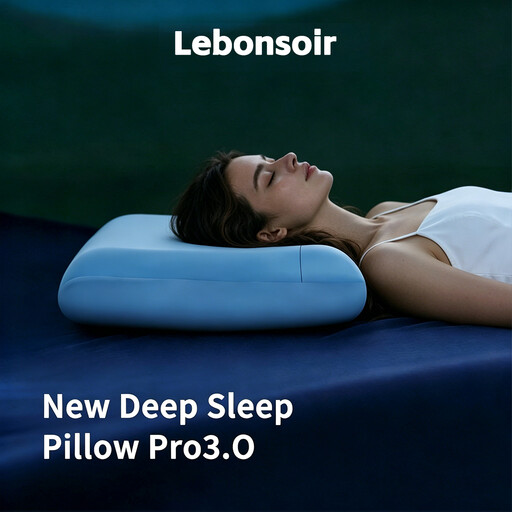
What makes it stand out: This pillow features a 3-layer foam construction. The top layer of slow-rebound foam gently cradles the head and neck. The middle layer provides supportive lift to prevent sinking too deeply, while the bottom layer serves as a stable base. This combination aims to perfectly balance comfort and support. The breathable cover aids in moisture and temperature regulation.
Pros:
Who it's for: Individuals looking for a sleep pillow for neck pain with structured, multi-layered support. It is an interesting Atour Planet pillow alternative for users who appreciate a similar design principle.
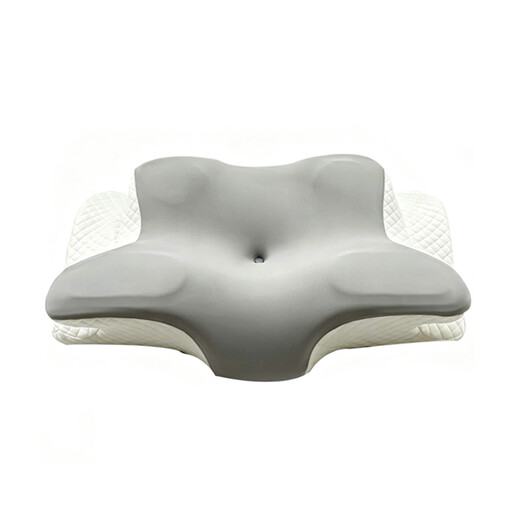
What makes it stand out: The distinctive butterfly shape of this pillow offers various support zones. The side cutouts create space for the arms, which can be particularly beneficial for side and stomach sleepers. The pillow is made from slow-rebound memory foam that adapts to your individual head shape.
Pros:
Who it's for: Sleepers who frequently change positions at night and prefer a pillow with ample freedom of movement and dedicated zones for their arms.
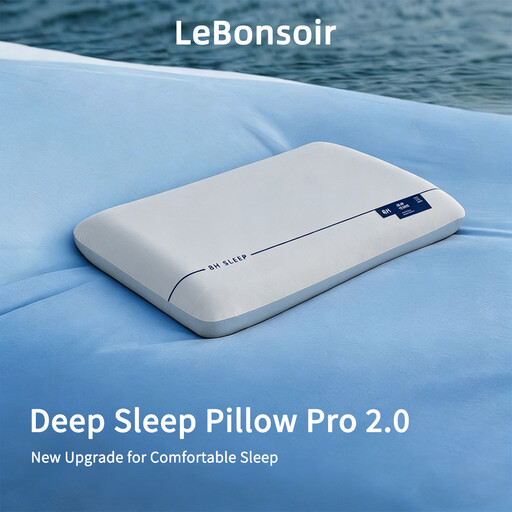
What makes it stand out: This orthopedic neck pillow relies on a proven ergonomic contour crafted from a single piece of memory foam. It offers firm yet yielding support. The central cradle and neck contour are designed to bring the head, neck, and spine into alignment. The design is intended for all sleeping positions.
Pros:
Who it's for: Users seeking a straightforward yet effective cervical spine pillow made from memory foam who value a standard ergonomic shape.
While a good pillow addresses nighttime comfort, maintaining correct posture during the day is equally important, especially for those who sit for long periods. Improving your seating ergonomics can complement the benefits of a supportive pillow. If you want to enhance your daytime comfort as well, you might consider options for your chairs.
Discover a selection of tie-less dining chair cushions here to make your seating more comfortable.
1. How long does it take to get used to a cervical pillow? An adjustment period of a few days to two weeks is normal. Your body needs to adapt to the new, corrected sleeping posture. It is recommended to give the pillow some time before making a final judgment.
2. What is a suitable material for an orthopedic neck pillow? Memory foam (viscoelastic foam) is a commonly used material due to its pressure-relieving and adaptive properties. Latex or gel foam are also options, each offering different levels of firmness and breathability. The choice depends on personal preferences regarding feel and temperature.