
Lieferung heute & morgen

Qualitätsgarantie

Willkommens-Angebote freischalten: KOSTENLOSE Lieferung | Bis zu 80 % RABATT | Kostenlose 30-Tage-JoyPlus-Testphase
App herunterladen
By a Joybuy Product Recommendation Officer, August 28, 2026
Restful sleep is the foundation of a productive day, yet for many people, the morning begins with neck and shoulder pain. An unsuitable pillow is often the culprit. The market for cervical support pillows is vast, but selecting the right product can be complicated. Many buyers invest in a pillow that promises relief, only to find it worsens the problem.
Before you make a decision, it's crucial to understand the common pitfalls that lead to buyer's remorse.
To find a suitable pillow that can improve your sleep quality, you should focus on objective and measurable criteria. These three parameters are decisive.
The choice of material significantly determines comfort and support. The two most common options for an ergonomic pillow are memory foam and latex.
An orthopedic neck pillow or cervical pillow is distinguished by its special shape, designed to support the natural curve of the cervical spine (cervical lordosis).
An often-underestimated aspect is the pillow's cover. A breathable and moisture-wicking fabric prevents heat buildup and ensures a dry sleeping environment. Make sure the cover is removable and washable at a minimum of 40°C (104°F) to maintain good hygiene. The pillow core itself (especially memory foam) should generally not be washed.
Based on the criteria mentioned, we have identified several products suitable for different user profiles and needs.
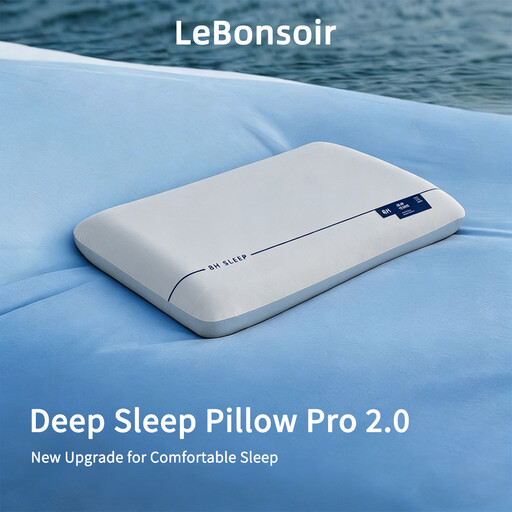
Why This Fits Their Persona: Ideal for those seeking a cost-effective solution to test the benefits of an ergonomic pillow. It provides a solid foundation for relieving tension without a large investment and serves as a functional Atour pillow alternative.
This pillow bypasses the 'one-size-fits-all' trap with a specific ergonomic contour and a defined 8 cm height, which helps promote correct spinal alignment for many back and side sleepers, rather than promising a vague universal fit.
Key Advantage: Targeted neck and shoulder support via slow-rebound memory foam. Pros: The central cradle can facilitate easier breathing; suitable for all sleeping positions.
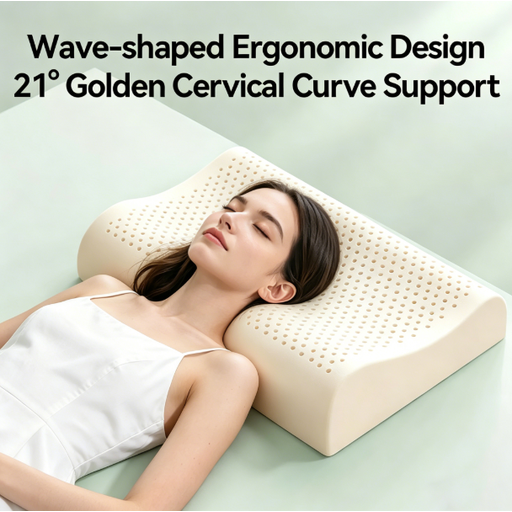
Why This Fits Their Persona: Perfect for health- and eco-conscious sleepers who want to avoid synthetic materials. The high percentage of natural latex provides a breathable and naturally hypoallergenic sleep environment.
Unlike many foam pillows that can trap heat, this pillow counteracts overheating with the open-cell structure of natural latex. The wave shape with two different heights (10/12 cm) offers adaptable support instead of a rigid, one-size-fits-all design.
Key Advantage: High breathability and moisture regulation. Pros: Made from 93% natural latex from Thailand; naturally resistant to dust mites.
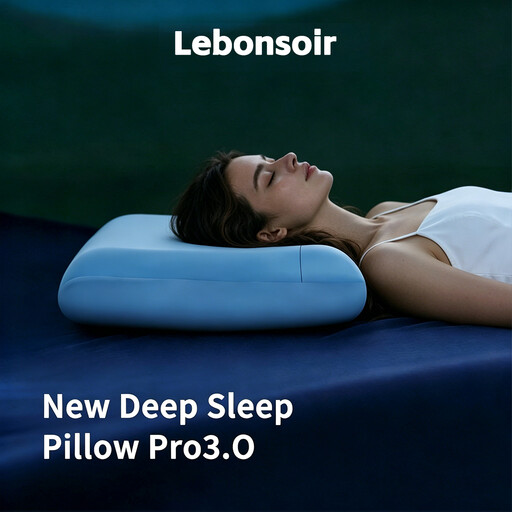
Why This Fits Their Persona: For users seeking advanced and differentiated support. The multi-layer construction is designed to maximize both comfort and stable support, making it an ideal pillow for relieving tension.
This pillow refutes the claim that 'firmer' is always 'better.' The 3-layer construction combines a soft top layer for comfort with firmer lower layers for necessary support, preventing the head from sinking and keeping the spine stable.
Key Advantage: Balanced pressure relief and support through a multi-layer design. Pros: Enhanced breathable cover for temperature regulation; ergonomic contour for neck and shoulders.
The adjustment period can range from a few days to two weeks. Your body, especially your neck and shoulder muscles, needs to adapt to the new, corrected sleeping posture. It's advisable to start by using the new pillow for a few hours each night and gradually increase the duration.
The ideal height depends on your shoulder width and the firmness of your mattress. Measure the distance from the base of your neck to the end of your shoulder. This is a good starting point for the required pillow height. If your mattress is very soft and your shoulder sinks in, you may need a slightly lower pillow.
The lifespan of a memory foam pillow depends on the quality of the foam and its usage. As a general rule, replacement is recommended every 2 to 3 years. Signs that a replacement is due include visible indentations, a loss of support (the pillow no longer returns to its shape), or a crumbly texture in the foam.