
Lieferung heute & morgen

Qualitätsgarantie

Willkommens-Angebote freischalten: KOSTENLOSE Lieferung | Bis zu 80 % RABATT | Kostenlose 30-Tage-JoyPlus-Testphase
App herunterladen
Choosing the right chairs and armchairs can transform a home, but the path to finding them is often fraught with pitfalls. Many buyers invest in furniture that looks promising online, only to find it impractical, uncomfortable, or unstable after a short time. To help you avoid such poor purchases, we've analysed the most common problems and compiled objective criteria for making an informed decision.
Before you make a decision, be aware of two common issues that often lead to dissatisfaction:
To ensure your new seating is both functional and durable, pay close attention to the following technical specifications:
The longevity of a chair depends significantly on the materials used.
A chair that adapts to your body is an investment in your well-being. This applies not only to a swivel chair in the office but also to dining and living room furniture.
An often-overlooked yet safety-critical criterion is the maximum load capacity, specified in kilograms (kg). Standard dining chairs are often rated for up to 120 kg. For greater longevity and safety, especially with intensive use, models with a capacity of 150 kg or certifications like BIFMA or SGS are worth considering.
Here are a few recommendations tailored to specific user profiles that avoid the pitfalls mentioned above.
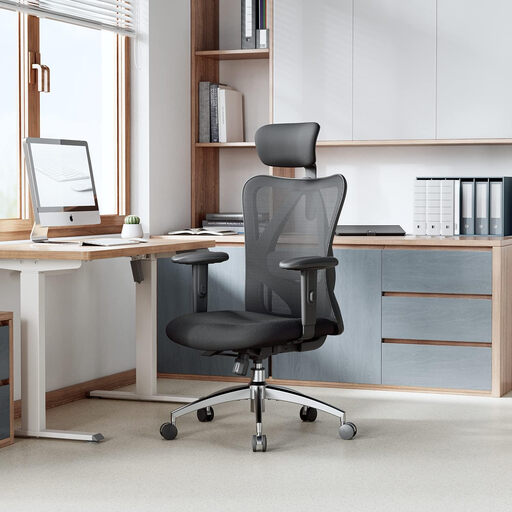
Why It's a Match: Ideal for those who spend long hours at a desk and need reliable, customisable back support without compromising on functionality.
This model goes beyond the mere "ergonomic" marketing label by offering concrete adjustment options: an adjustable headrest, lumbar support, and armrests. Its BIFMA and SGS certifications indicate tested stability.
Comprehensive adjustability for a personalised posture and a high load capacity of up to 150 kg.
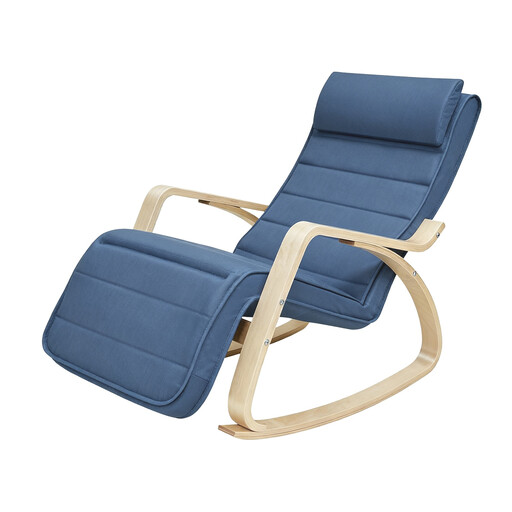
Why It's a Match: Perfect for the living room or bedroom to create a cosy reading nook. Its Scandinavian design blends harmoniously into modern interiors while offering superior comfort.
The material specification is precise: the frame is made of birch wood and a metal structure, indicating a robust build. The comfort is not just aesthetic but also functional and verifiable, thanks to the 5-position adjustable footrest.
The combination of an appealing design and customisable comfort, featuring an adjustable footrest and a high load capacity of 150 kg.
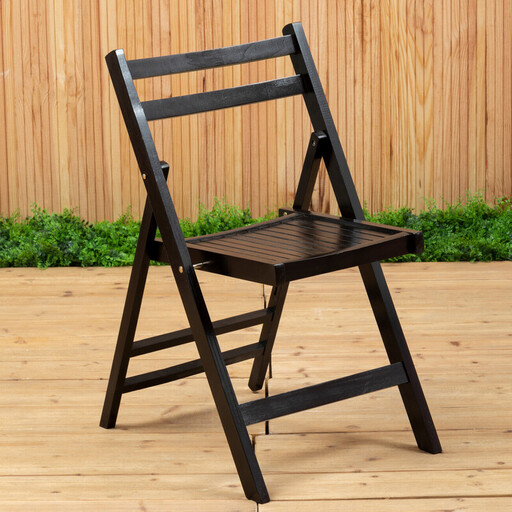
Why It's a Match: A practical solution for balconies, small dining areas, or as extra seating for guests. The chair folds flat for compact storage when not in use.
This model solves the problem of awkward dimensions with its foldable design. The material is specified as solid poplar wood, which indicates greater stability compared to vague "engineered wood" descriptions.
A combination of a space-saving design and a solid, weather-resistant wood construction that arrives fully assembled.
We have compiled a comprehensive, up-to-date list of products that meet these strict selection criteria and comply with current safety regulations.
1. How can I identify a truly ergonomic office chair? A true ergonomic office chair is defined by multiple adjustment features that allow it to conform to your body. Look for the following: an adjustable seat height, a lumbar support that is adjustable in both height and depth, seat depth adjustment, and adjustable armrests (ideally 3D or 4D). A simple claim on the packaging is not enough; the functionality must be present.
2. How do I properly care for a velvet chair to keep it looking beautiful? A velvet chair requires regular care to maintain its appearance. Vacuum the fabric weekly with a soft upholstery attachment to remove dust and debris. Spills should be blotted immediately (not rubbed) with a clean, dry cloth. If necessary, a slightly damp cloth with a mild detergent can be used. Afterwards, gently brush the pile in one direction to restore its look.
3. What is a typical maximum load capacity for dining or office chairs? Most dining chairs and standard office chairs are designed for a maximum load of around 110 kg to 120 kg. If you are looking for a particularly robust model, look for products certified for 150 kg or more. This information can be found in the product's technical specifications and is a reliable indicator of a more stable construction.