
Lieferung heute & morgen

Qualitätsgarantie

Willkommens-Angebote freischalten: KOSTENLOSE Lieferung | Bis zu 80 % RABATT | Kostenlose 30-Tage-JoyPlus-Testphase
App herunterladen
A chair pad serves two primary purposes: enhancing seating comfort and aesthetically upgrading a piece of furniture. Selecting a suitable model depends on specific, measurable criteria. This guide analyses the crucial parameters, such as material, size, and fastening method, to provide a basis for an informed decision.
The functionality of a seat cushion is determined by its technical properties. A systematic review of these features is essential for selecting the right product.
The choice of material affects the feel, durability, and maintenance of the chair pad. Common materials include:
The filling determines the actual seating comfort. Common options include foam fillings (e.g., Mix SG-20), which provide stable yet yielding cushioning, or softer fibre fillings.
The most common shape for cushions for chairs is square. To find the right size, measure the width and depth of your chair's seat. Standard dimensions like 40x40 cm chair pads or 38x38 cm fit most dining and kitchen chairs. A cushion that is too small offers insufficient support, while one that is too large can overhang and be unstable. The height of the cushion, often between 3 cm and 5 cm, influences the level of padding.
A seat pad that slips is impractical. The most common and secure method of attachment is chair pads with ties. These are tied to the rear chair legs or backrest, effectively preventing them from slipping. Pay attention to the number and length of the ties. Four ties generally offer greater stability than two. Alternatives include cushions with a non-slip underside, which may, however, have limitations on very smooth surfaces.
Ease of cleaning is a crucial practical criterion.
Based on an analysis of product specifications, we present three models with distinct features.
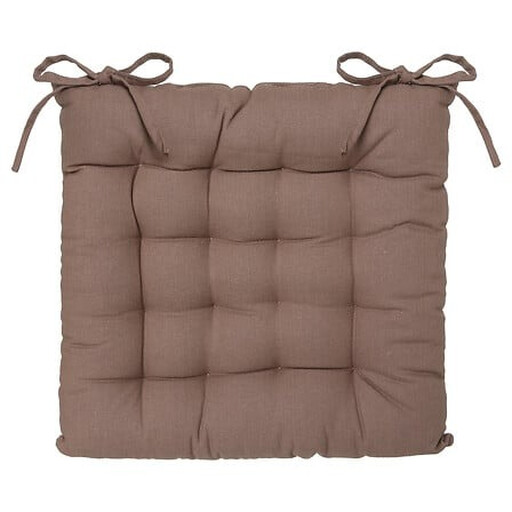
Why we recommend this product: This square chair pad is distinguished by its robust fastening solution. With four integrated ties, it can be securely fixed to the chair, effectively preventing any slippage. The material blend of polyester, cotton, and acrylic fibres is designed for durability and a pleasant feel. The solid-colour design ensures a uniform appearance.
Pros:
Best suited for:
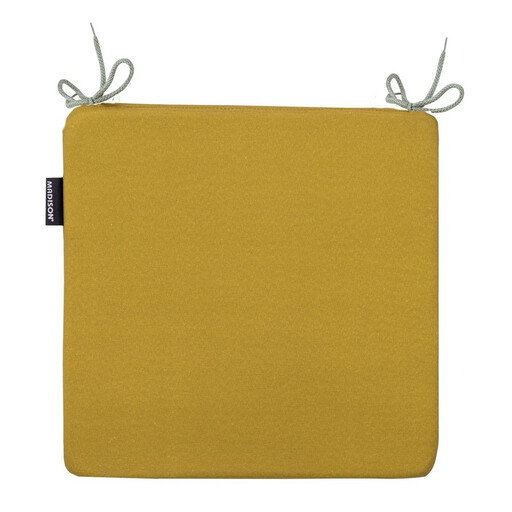
Why we recommend this product: The main feature of this seat pad for chairs is its integrated zipper. It allows for easy removal and washing of the cover, which significantly simplifies maintenance. The material composition of 50% cotton and 45% polyester offers a good balance of softness and resilience. According to the manufacturer, the cushion has a lightfastness rating of 6 out of 8, indicating good colour retention.
Pros:
Best suited for:
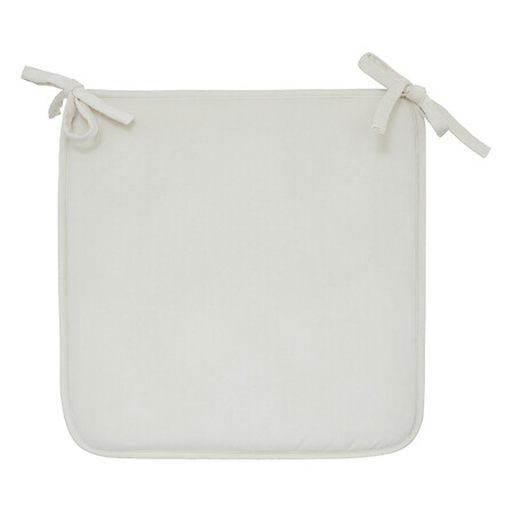
Why we recommend this product: This model focuses on a minimalist aesthetic and subtle cushioning. With a height of just 3 cm, it only slightly alters the seat height and blends unobtrusively into the chair's overall look. The 100% polyester material is low-maintenance, and its light weight of 0.186 kg makes the cushion very easy to handle. It represents a simple and functional solution.
Pros:
Best suited for:
The products presented here cover specific requirement profiles. If these models do not exactly match your preferences in terms of colour, pattern, or material, a broader selection offers further possibilities. A wide variety of designs and specifications allows you to find the perfect solution for your seating furniture.
Discover more models in our Chair Pads category.
1. How do I measure the correct size for a chair pad? Measure the widest and deepest points of your chair's seat with a tape measure. Choose a cushion whose dimensions are closest to these values without exceeding them. A cushion that is 1-2 cm smaller than the seat area usually fits well.
2. Which material is best suited for chair pads? The suitability of the material depends on the intended use. Polyester is very durable and easy to care for, making it a good choice for heavily used chairs, such as in the kitchen. Cotton offers high breathability and a soft feel, ideal for prolonged sitting. Blended fabrics often represent a balanced compromise.
3. How do I secure chair pads to prevent them from slipping? The most effective method is using chair pads with ties. Tie the bands firmly to the rear chair legs or the backrest struts. Be sure to use a double knot to prevent them from coming loose. For cushions without ties, a separate anti-slip mat made of rubber or silicone can help increase grip on the seat surface.