
Lieferung heute & morgen

Qualitätsgarantie

Willkommens-Angebote freischalten: KOSTENLOSE Lieferung | Bis zu 80 % RABATT | Kostenlose 30-Tage-JoyPlus-Testphase
App herunterladen
Anyone who spends long hours at a desk knows the problem: neck tension, a pulling pain in the lower back, or simply feeling worn out after a long day. An unsuitable chair is often the cause. An ergonomic office chair isn't a luxury item; it's a fundamental investment for focused and comfortable work.
This guide is designed to help you understand the key features of a good office chair. I, your Joybuy Product Recommendation Officer, have gathered the information you need to make a clear, informed choice and present a selection of models that meet different requirements.
The market offers an overwhelming variety of models. To make an informed decision, you should focus on a few core features that make a chair truly ergonomic.
A chair can only be ergonomic if it adapts to your body—not the other way around. Look for the following adjustment features:
The durability and comfort of a chair depend heavily on the materials used.
Based on these criteria, we've curated a selection of chairs that stand out for their features and design, catering to various user profiles.
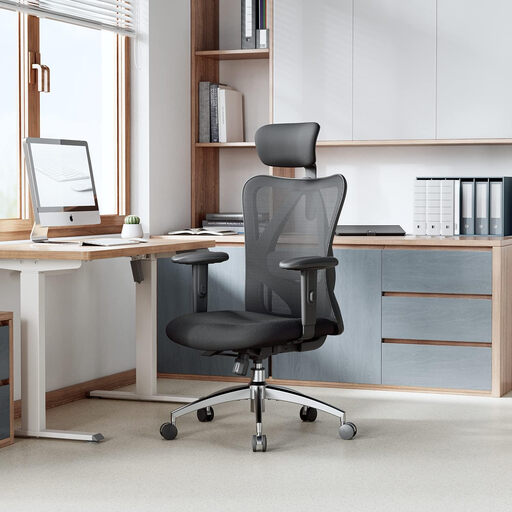
What Makes It Stand Out This model from SIHOO is a classic executive chair with a headrest, designed for comprehensive adjustability and high durability. According to the manufacturer, the chair is BIFMA and SGS certified and has passed a static pressure test of 1136 kg. The maximum user weight is 150 kg. The W-shaped seat and waterfall edge are designed to reduce pressure on the thighs.
Pros
Who Is It For? This chair is an excellent choice for individuals looking for a robust and highly adjustable desk chair for the home office or corporate setting, who also value certified standards.

What Makes It Stand Out The Woltu swivel chair combines functionality with a cosy, residential design. Its Sherpa fleece (teddy fabric) cover and plaid pattern make it an eye-catcher. The backrest and armrests are moulded from a single piece, offering basic support. The sturdy metal base ensures a weight capacity of up to 150 kg.
Pros
Who Is It For? Ideal for design-conscious users who want a comfortable chair for their home office, bedroom, or vanity table, and for whom aesthetics are as important as comfort for moderate periods of use.
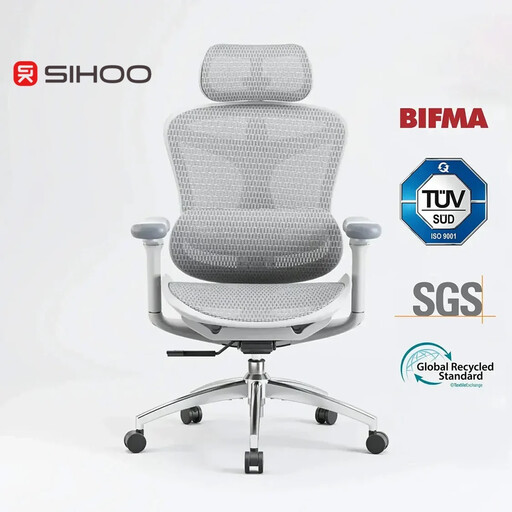
What Makes It Stand Out The Sihoo Doro C300 focuses on advanced ergonomic features. A key highlight is the dynamic, self-adaptive lumbar support, which automatically adjusts to the user's movements. The 3D armrests move in sync with the backrest as you recline. An intelligent weight sensor adjusts the backrest's resistance, minimising the need for manual adjustments.
Pros
Who Is It For? This chair is aimed at users with high ergonomic standards who sit for many hours at a time and appreciate dynamic support. It is an excellent choice for intensive work in the office or home office.
Our selection covers a range of needs, but the world of office chairs is vast. If you'd like to compare more models with different designs, materials, or features, you can find more options in our comprehensive category.
Discover more Home Office Desk Chairs here.
An office chair is considered ergonomic when it can be fully adjusted to the user's body dimensions and sitting habits. This includes an adjustable seat height and depth, a customisable backrest with lumbar support, and adjustable armrests. The goal is to promote a healthy yet comfortable posture.
Follow these four steps for a basic setup:
The weight capacity varies by model and manufacturer. Standard office chairs are often designed for a weight of up to 110 kg or 120 kg. For users with higher requirements, there are special models that offer greater stability. A swivel chair rated for up to 150 kg is a common and safe option. Always check the manufacturer's specifications for maximum weight capacity before purchasing.