
Lieferung heute & morgen

Qualitätsgarantie

Willkommens-Angebote freischalten: KOSTENLOSE Lieferung | Bis zu 80 % RABATT | Kostenlose 30-Tage-JoyPlus-Testphase
App herunterladen
Choosing the right sparkling wine can be a daunting task. The shelves are lined with bottles whose labels range from Champagne to Sekt and Prosecco. A high price isn't always a guarantee of quality, and marketing terms often obscure what's really inside the bottle. Before you make a decision you might later regret, it's helpful to know the most common pitfalls.
A widespread mistake is confusing protected designations of origin. Not every sparkling wine with a French name is a Champagne, which can lead to overspending on a product that doesn't meet the strict criteria. Another point is the so-called dosage, or sugar content. Choosing a Champagne Brut when you actually prefer a medium-dry taste can spoil the enjoyment for special occasions.
To make an informed decision, you should consider three core factors. These will help you find the product that meets your expectations in terms of taste and occasion.
A sparkling wine's designation directly indicates its origin and production method, which significantly impacts its quality and price.
The dosage refers to the amount of sugar added to the sparkling wine after fermentation. This information is crucial for the flavour profile.
The main grape varieties permitted for Champagne are Chardonnay, Pinot Noir, and Pinot Meunier. Their blend determines the character of the wine. A high proportion of Chardonnay provides elegance and freshness, while Pinot Noir and Pinot Meunier are responsible for body, structure, and fruity notes. A Champagne Rosé gets its colour either from a brief maceration of the red grape skins or by adding a small amount of red wine.
Instead of presenting an overwhelming list, we've matched products to specific profiles and use cases.
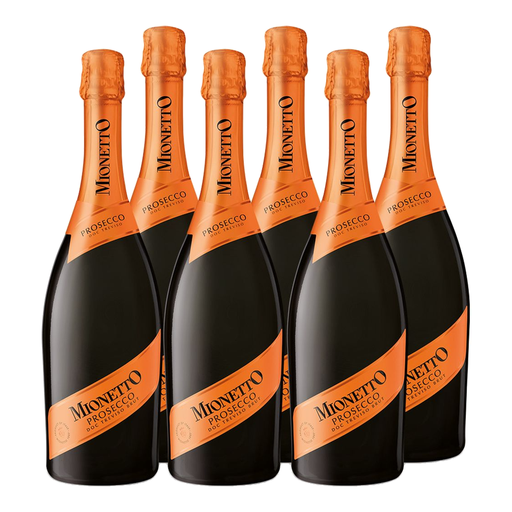
Why it's a great fit: Ideal for larger gatherings or for stocking up for spontaneous occasions. This Prosecco offers a refreshing and fruity taste experience that is popular with guests, without breaking the bank.
This bypasses the assumption that only expensive Champagne is suitable for celebrations. As a high-quality Prosecco Spumante, it offers a recognised alternative with a clearly defined origin.
The 6-bottle case offers excellent value for money. Its Brut character makes it a versatile aperitif.
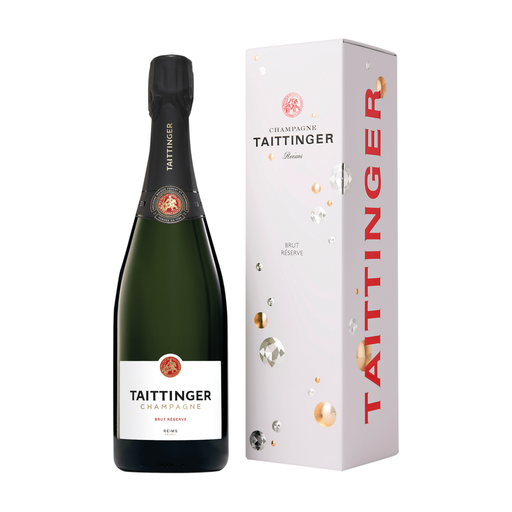
Why it's a great fit: For connoisseurs seeking a balanced and elegant Champagne for a special moment. Taittinger is a renowned house whose style is defined by a high proportion of Chardonnay.
This is an authentic Champagne that meets all criteria for origin and production. The clear designation Champagne Brut Réserve ensures you get the expected dry style.
A balanced and harmonious taste with notes of brioche, peach, and white flowers. A symbol of celebration and an ideal companion for special moments.
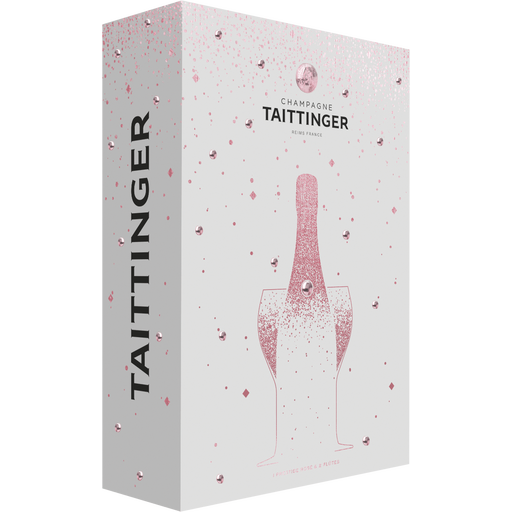
Why it's a great fit: This Champagne gift set is a thoughtful and elegant choice for weddings, anniversaries, or as a special thank you. It includes everything needed for immediate enjoyment.
Instead of just giving a bottle, this set offers a complete experience. The Champagne Rosé stands out from standard cuvées, and the matching Champagne flutes show extra thought.
A complete set in an attractive gift box with two original Lehmann glasses. The Rosé captivates with its shimmering colour and an elegant balance on the palate.
We have compiled a complete, up-to-date list of products that meet these strict selection criteria and legal requirements.
1. What is the exact difference between Champagne, Sekt, and Prosecco? The main difference lies in the origin and production method. Champagne comes exclusively from the Champagne region in France and is made by traditional in-bottle fermentation. Sekt is the German term for sparkling wine, with quality varying depending on the production process. Prosecco comes from specific regions in Italy and is usually produced using the tank method, which gives it a fresher, more fruity character.
2. How should I store an unopened bottle of Champagne? An unopened bottle should be stored in a cool, dark place with a constant temperature (ideally 10–12 °C). It is recommended to store the bottle on its side to keep the cork moist and prevent it from drying out. This stops air from entering the bottle and compromising the quality.
3. What are the best glasses for Champagne? Although tall, narrow flutes are popular for watching the bubbles, many connoisseurs prefer tulip-shaped Champagne glasses. This shape allows the aromas to develop better while preserving the perlage. The wide, shallow coupes are generally discouraged today, as the carbonation and aromas dissipate too quickly.