
Lieferung heute & morgen

Qualitätsgarantie

Willkommens-Angebote freischalten: KOSTENLOSE Lieferung | Bis zu 80 % RABATT | Kostenlose 30-Tage-JoyPlus-Testphase
App herunterladen
The decision to buy Champagne is often tied to a special moment. Yet, the sheer variety can be overwhelming: hundreds of brands, cryptic labels, and a price range that spans from accessible to astronomical. As a result, many shoppers default to familiar names or are swayed by marketing hype, which doesn't always lead to the right choice.
This guide will help you understand the key criteria for making an informed decision. We'll highlight the most common pitfalls and show you what really matters, so you can find the ideal Champagne for your taste and occasion—whether it's for a celebration, an exclusive gift, or simply to savour a special moment.
Whether ordering Champagne online or in a speciality shop, many buyers fall into the same traps. If you know what they are, you can actively avoid them.
To buy the right Champagne, three objective criteria are crucial. They provide a reliable guide that goes beyond marketing messages.
Dosage refers to the amount of sugar added to the Champagne after the second fermentation. This information on the label is the most precise indicator of its taste.
Most Champagnes are an assemblage (blend) of three main grape varieties, each contributing its own characteristics:
A Rosé Champagne gets its colour either from a short maceration of the dark grape skins or by adding a small amount of red wine to the cuvée.
The purpose of your purchase should guide your selection.
Here are a few recommendations tailored to different needs and flavour profiles.
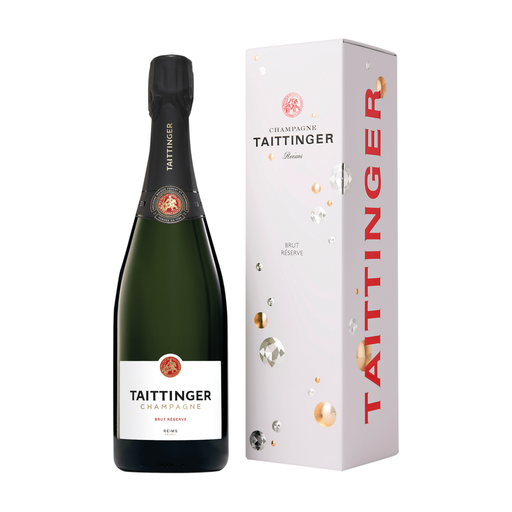
Why it's a great fit: Ideal for anyone seeking a balanced and elegant Champagne for festive occasions. It's a symbol of celebration and a reliable companion for special moments, without being too experimental.
You're investing in a renowned brand whose quality is based on objective factors (high Chardonnay content, long ageing), rather than just paying for marketing. The balanced Brut profile is an approachable classic.
Harmonious notes of brioche, peach, and white flowers. The high proportion of Chardonnay provides exceptional finesse and freshness.
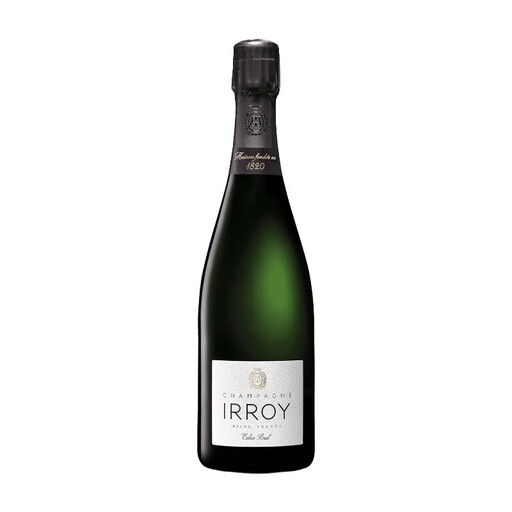
Why it's a great fit: For connoisseurs who prefer a dry, mineral-driven, and precise Champagne. Ideal as an aperitif or with seafood, where its low sweetness enhances the food's flavours.
This product directly addresses the "Brut" misconception by using the "Extra Brut" designation, making a clear statement about its low sugar content. The choice is deliberately based on a flavour profile, not a brand name.
Vibrant freshness and precise minerality. The bouquet reveals notes of white flowers and citrus fruits with a long, elegant finish.
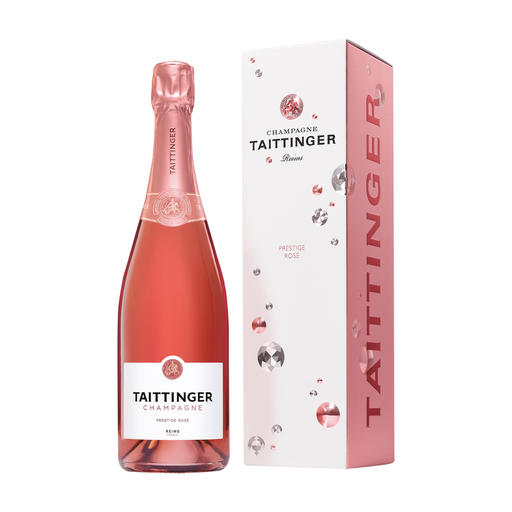
Why it's a great fit: An excellent choice for those who appreciate the fruity and full-bodied notes of a Rosé Champagne. Its intense colour and vibrant character make it a showstopper at any occasion.
This is a conscious choice for a specific style (Rosé) rather than blindly picking a standard Brut. You avoid the trap of ignoring the grape blend, as the Rosé character is front and centre.
On the palate, an elegant balance between silky and full-bodied notes. The Champagne is lively, fruity, fresh, and rich.
We've curated a complete, up-to-date list of products that meet these strict selection criteria and quality standards.
For short-term storage (a few weeks), a cool, dark place where the bottle can be kept upright is sufficient. For long-term cellaring over several months or years, the bottle should be stored on its side in a place with a constant, cool temperature (approx. 10–12 °C) and high humidity. This keeps the cork moist, ensuring a perfect seal.
Although the tall, narrow flute is the classic choice, many connoisseurs prefer tulip-shaped glasses. This shape allows the aromas to develop better than in a narrow flute, while the perlage (carbonation) doesn't escape as quickly as it does from a wide coupe glass. Modern, stemless designs like the MyGift Set of 4 Black and Gold Stemless Champagne Flutes can be a stylish alternative.
An opened bottle of Champagne should be resealed with a specialised Champagne stopper and stored in the refrigerator. This way, it will retain its fizz and freshness for about 1 to 2 days. Without a proper stopper, the Champagne will lose its carbonation within a few hours.